
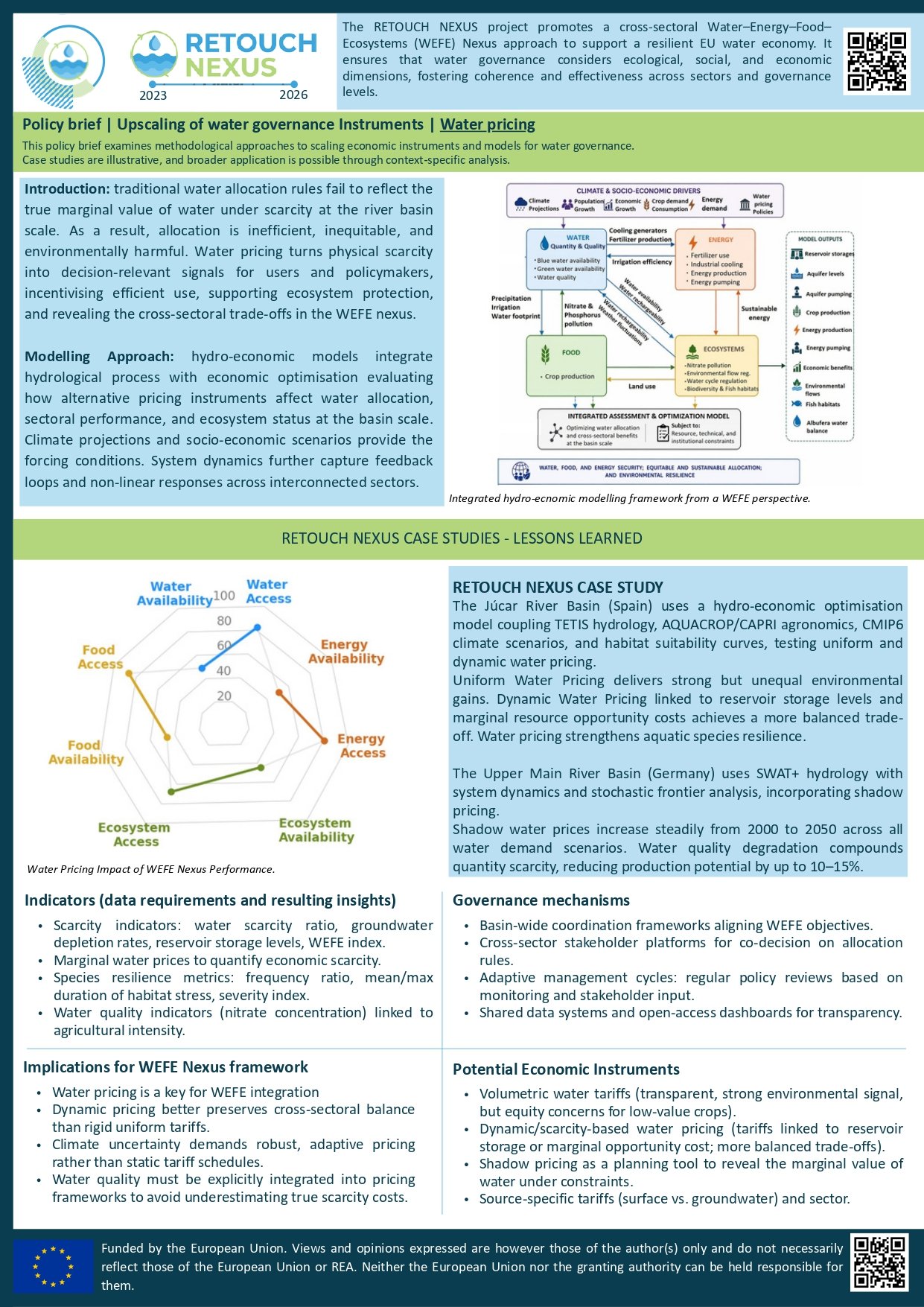
Pricing Scarcity at the River Basin Scale
Traditional water allocation rules fail to reflect the true marginal value of water under scarcity at the river basin scale, leading to inefficient, inequitable, and environmentally harmful allocation. Water pricing turns physical scarcity into decision-relevant signals for users and policymakers, incentivising efficient use, supporting ecosystem protection, and revealing cross-sectoral WEFE trade-offs. This RETOUCH NEXUS policy brief presents two complementary hydro-economic case studies, the Júcar River Basin in Spain and the Upper Main River Basin in Germany, demonstrating how dynamic, scarcity-linked pricing achieves a more balanced outcome than uniform tariffs, and why water quality must be integrated into pricing frameworks alongside quantity.
Key messages
1
2
3
4
5
RETOUCH NEXUS at World Water Week 2026: Advancing Innovative Water Governance
Stockholm, Sweden – 23-27 August 2026 RETOUCH NEXUS is proud have participated in the World…
New Policy Brief: Collective & Scalable Strategies for Non-Conventional Water Resources
Collective Rainwater Management in Flanders Flanders faces growing water stress, prompting increasing interest in decentralised,…
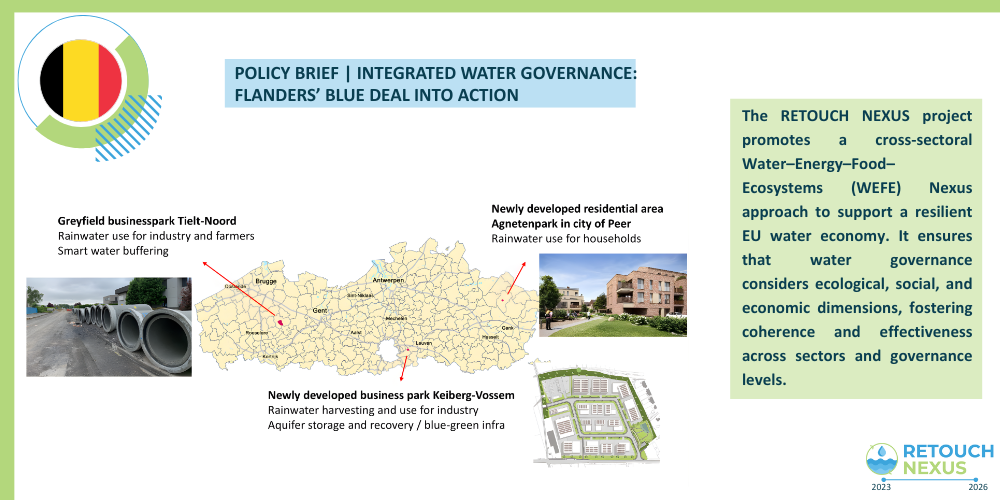
New Policy Brief: Integrated Water Governance – Flanders’ Blue Deal into Action
Integrated Water Governance in Flanders Flanders, Belgium faces growing water stress that threatens the reliability…

Belgian Case Study Takes Center Stage: Agnetenpark’s Innovative Water System Featured on National Television
RETOUCH NEXUS project demonstrates practical water solutions through media engagement. When most people think about…

🌊 Achieving Water Benefits at Business Parks – A RETOUCH NEXUS Belgian Case Study Event
On 20th June 2025, VITO, together with the City of Ghent, North Sea Port and…

Promoting Stakeholder Engagement for Improved Water Management in Flanders with the Flemish Poultry Test Farm
The RETOUCH NEXUS project is excited to announce an upcoming stakeholder engagement activity as part…
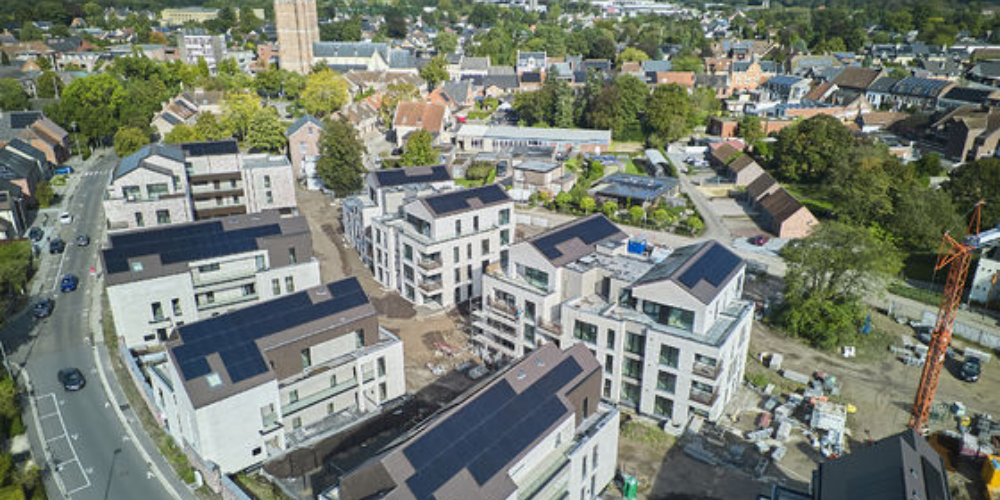
Resident Information Session on Sustainable Water Systems at Agnetenpark Peer
On September 3, 2024, a resident information meeting was held at Peer Library, bringing together…

Innovative Water Management: Site Visit to Business Park Tielt Noord
On August 23, 2024, the RETOUCH NEXUS Belgium case study hosted a stakeholder event at…

Visit to the WaterProof Experience Container: A Collaborative Exchange for the RETOUCH NEXUS Project
On Tuesday, June 18, 2024, representatives from various RETOUCH project case studies gathered in Ostend…
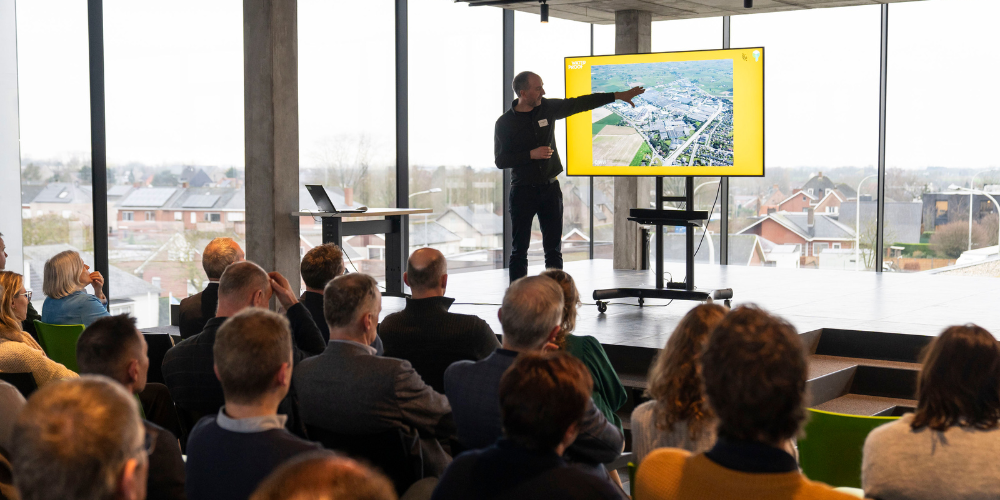
The Belgian case study of the RETOUCH NEXUS project held its First stakeholder engagement workshop!
Our Belgian case study leader, Vlaamse Instelling voor Technologisch Onderzoek (VITO) was more than happy…