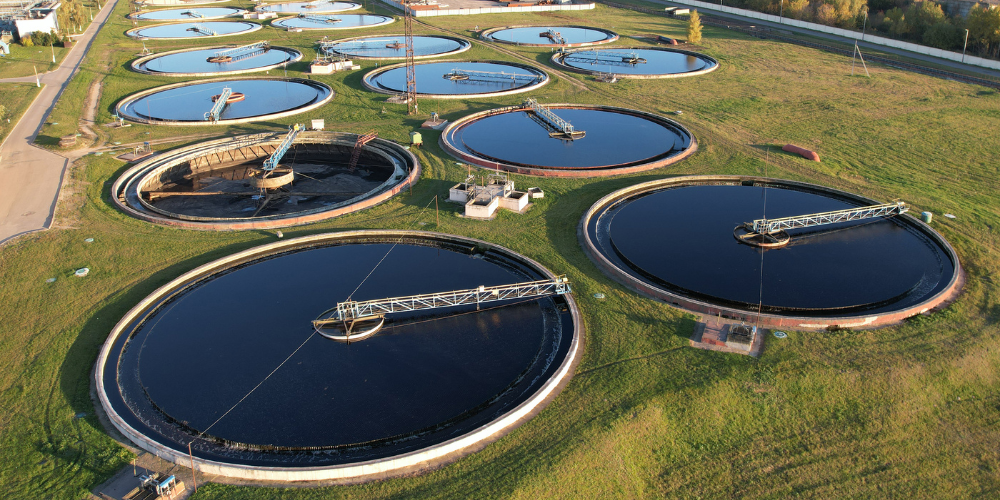
Research from the IIAMA institute explores how uniform and dynamic water pricing strategies can reduce unsustainable withdrawals, protect ecosystems, and maintain economic performance under intensifying climate pressures.
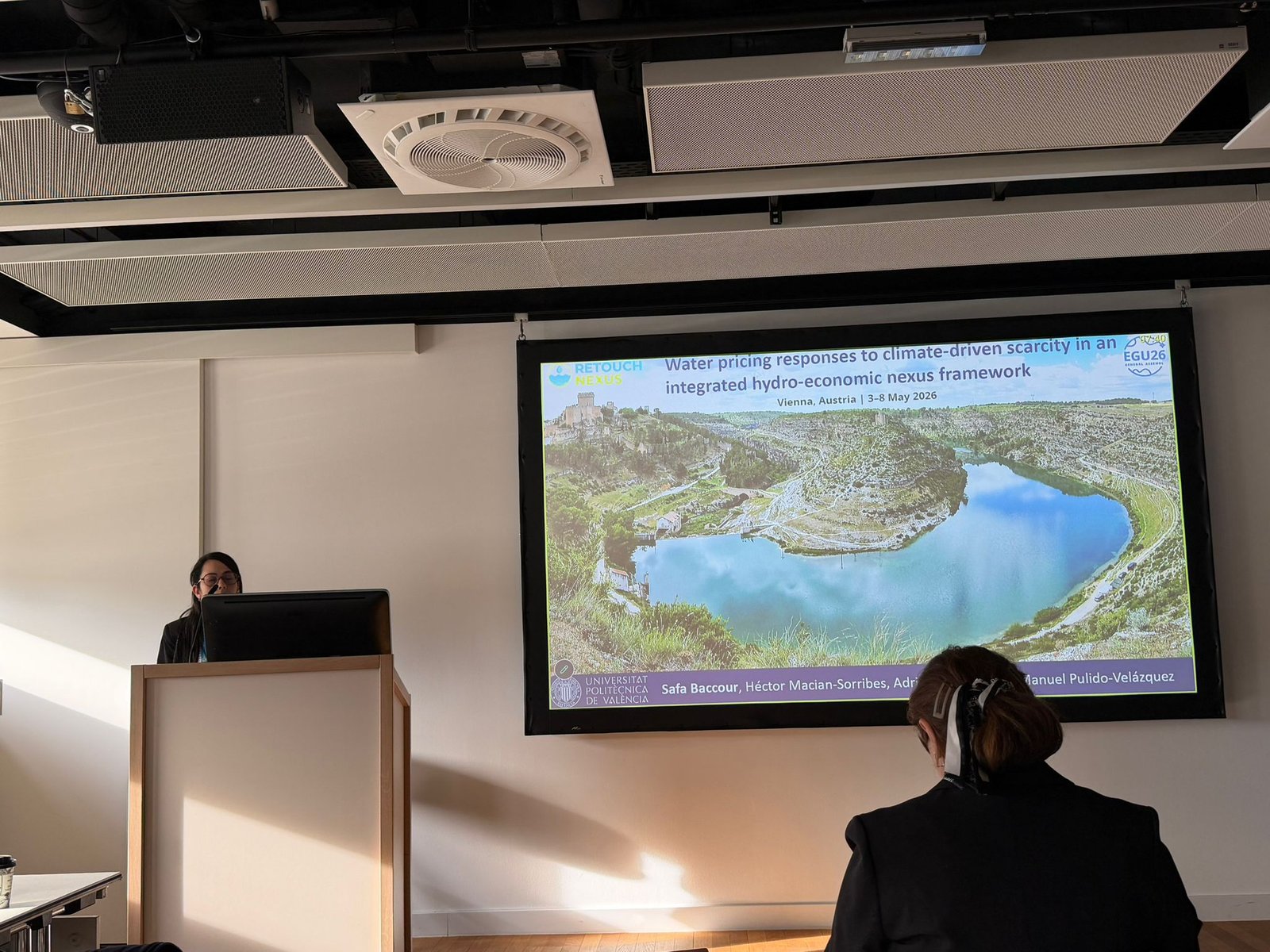
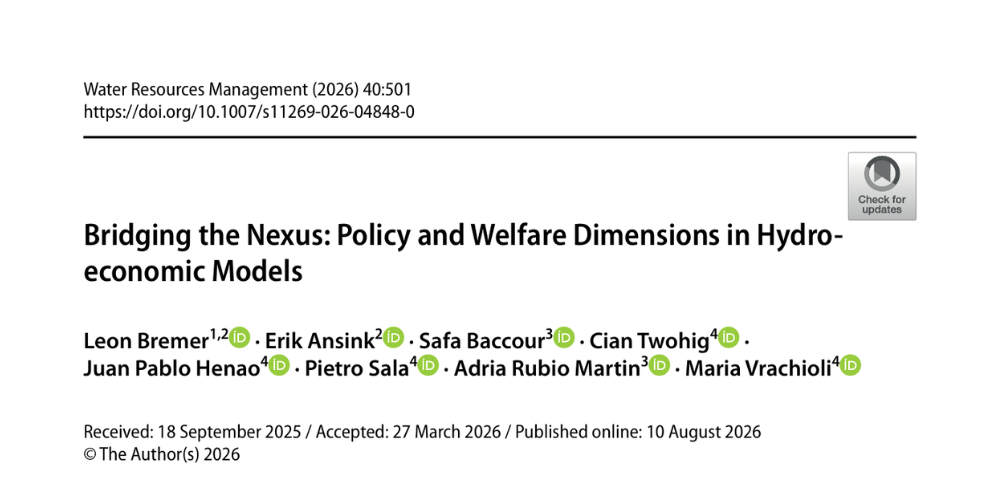
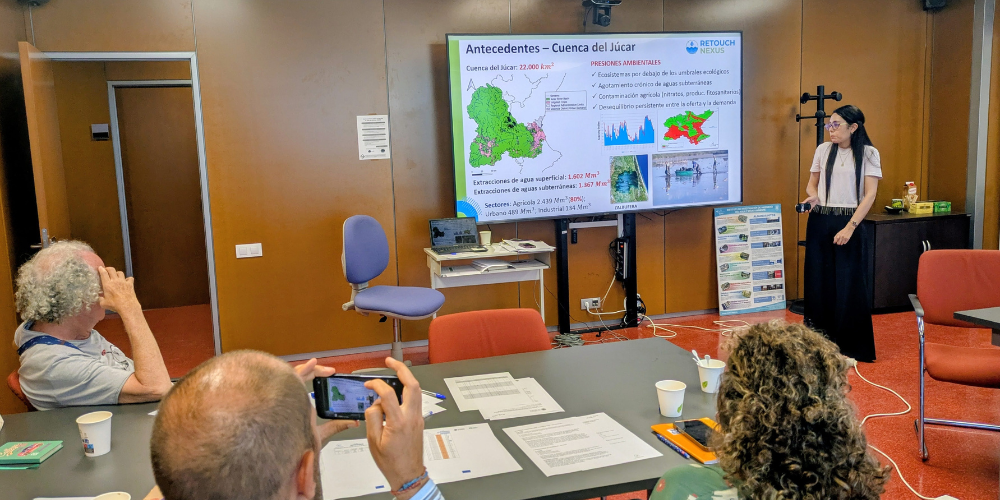
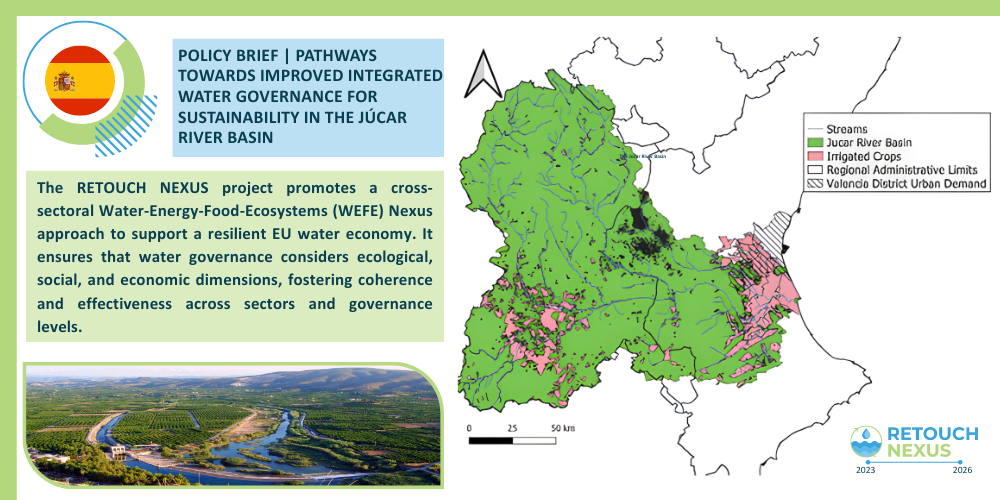
Safa Baccour and colleagues at the Research Institute of Water and Environmental Engineering (IIAMA, Universitat Politècnica de València) have developed an integrated hydro-economic model (HEM) that links biophysical, hydrological, economic, and ecological components within a WEFE Nexus framework to assess how different water pricing strategies influence allocation, cross-sectoral outcomes, and ecosystem resilience in the Júcar River Basin under future climate and socio-economic conditions.
Presentation at EGU General Assembly 2026
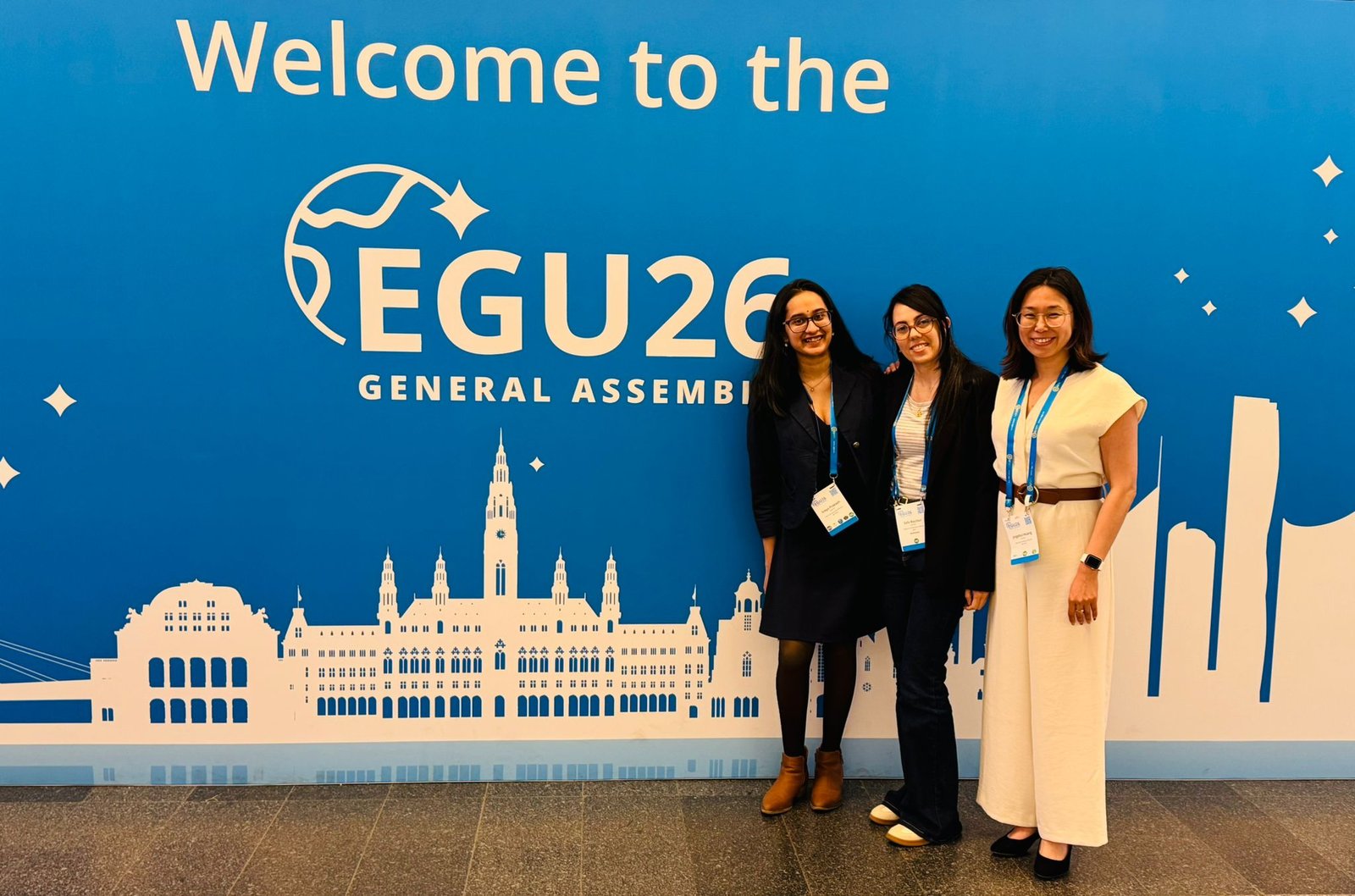
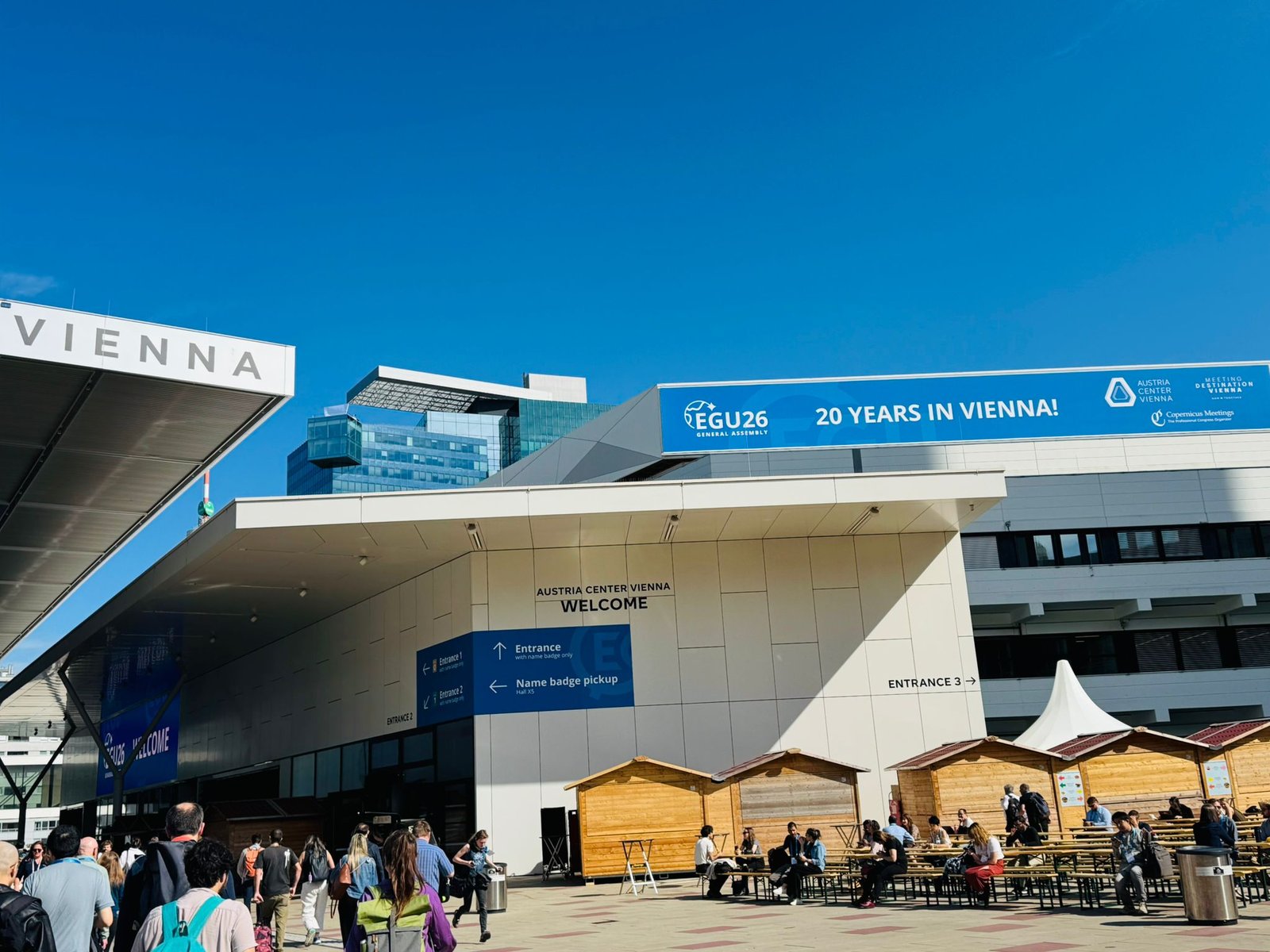
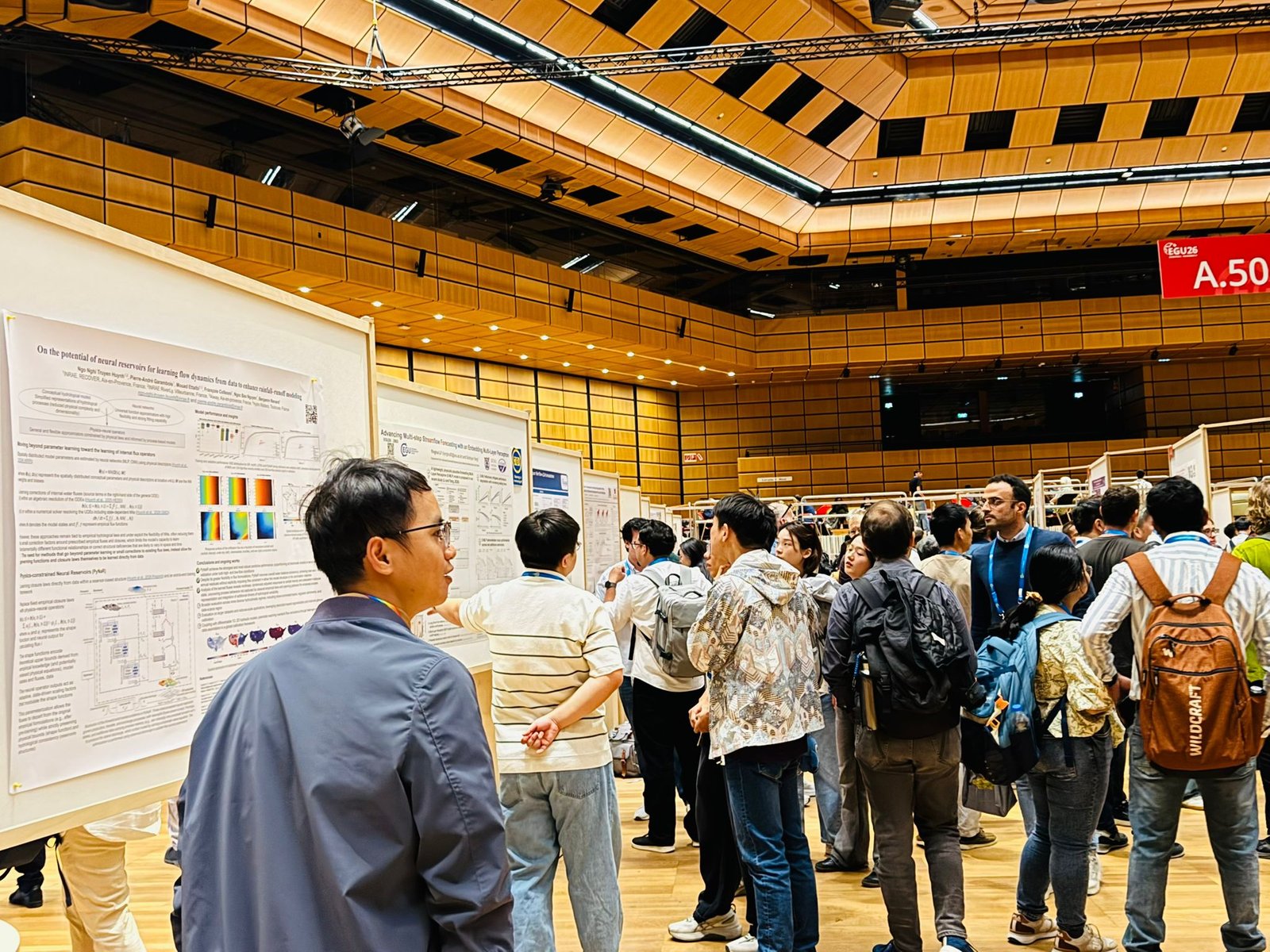
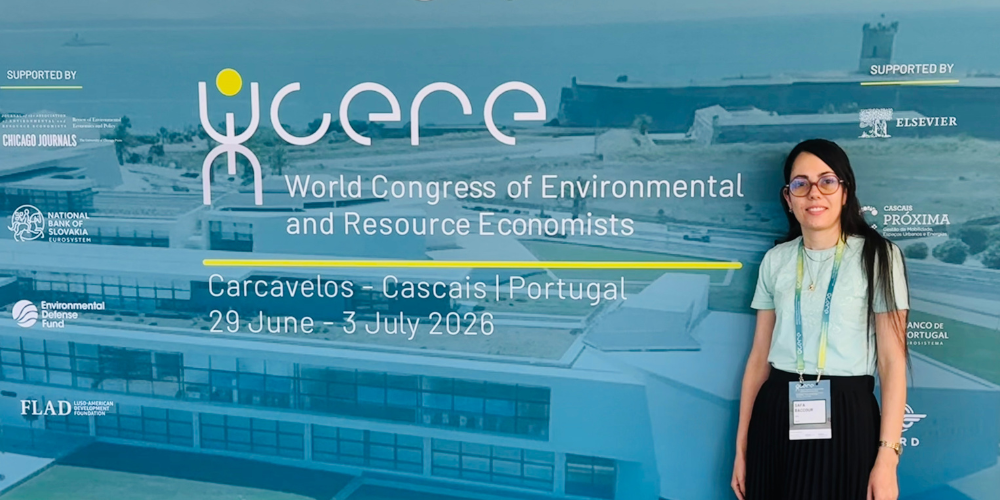
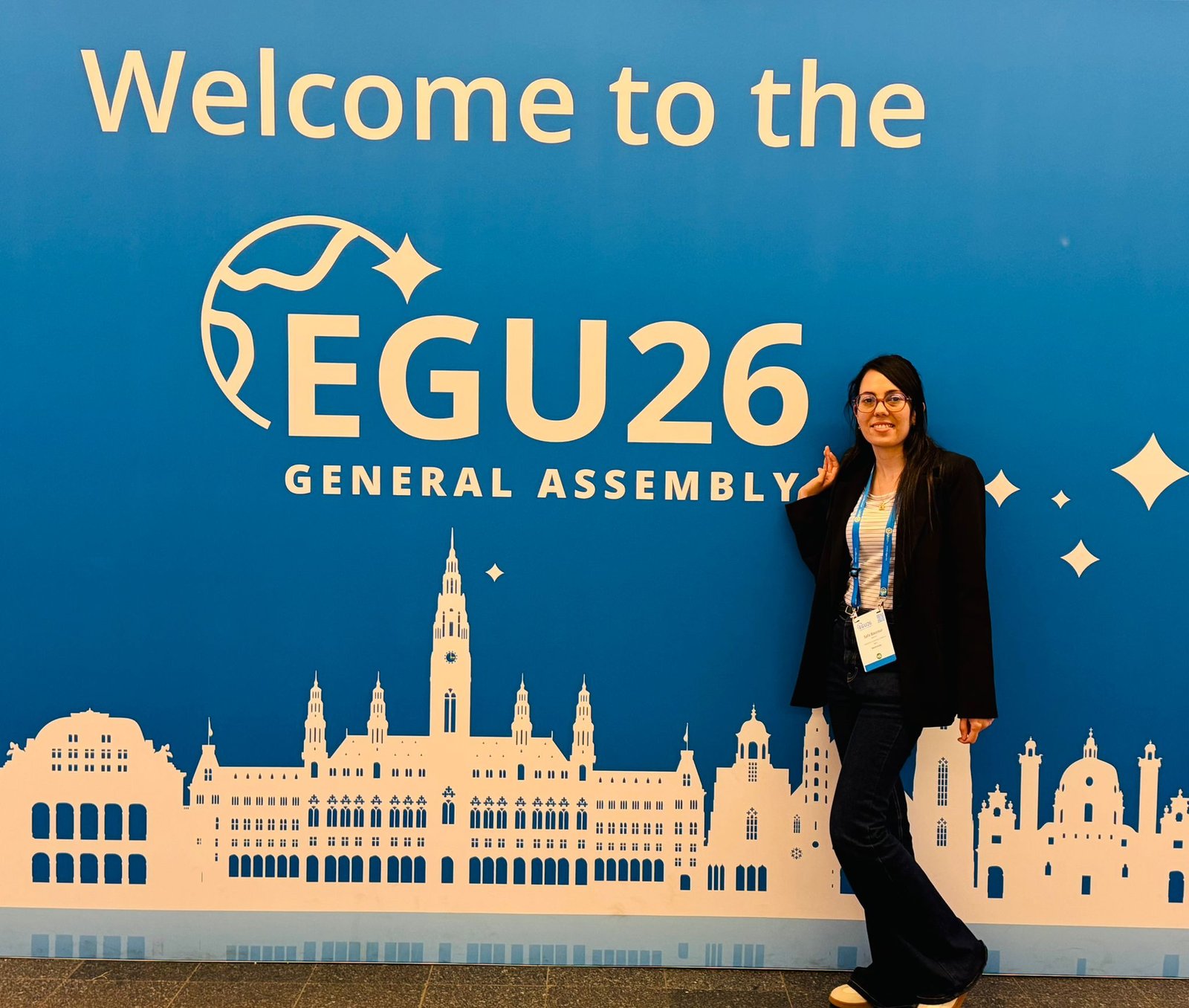
Safa Baccour has presented this research at the EGU General Assembly 2026, the world’s largest gathering of earth, planetary, and space scientists, held in Vienna (Austria) from 3 to 8 May 2026. The presentation was part of session HS5.3.1, dedicated to hydro-economic modelling and water governance.
Key findings
The study finds that both uniform and dynamic water pricing can reduce unsustainable water use while preserving economic benefits and enhancing ecological resilience. Uniform pricing drives a strong conservation signal, cutting withdrawals by around 30% compared to the baseline, but its rigid structure can penalise economically weaker activities and lower-productivity crops. Dynamic pricing, constructed using a Marginal Resource Opportunity Cost (MROC) approach, achieves a more balanced outcome by adjusting tariffs to reflect real scarcity conditions, thereby maintaining cross-sectoral economic performance while still improving environmental outcomes. Together, these findings provide operational evidence that well-designed water tariffs can optimise trade-offs across water, energy, food, and ecosystem goals, a key step towards nexus-aligned, climate-adaptive water governance.