

RETOUCH NEXUS project demonstrates practical water solutions through media engagement.
When most people think about saving water, they imagine shorter showers or turning off taps. But at Agnetenpark residential park in Belgium, water conservation happens automatically – through pipes, filters, and smart design that most residents never see.
On September 23, 2025, this innovative system got its moment in the spotlight when Trends Z television channel featured it in their “Z-water” series. The 4.5-minute report brought a working example of sustainable water management into homes in the municipality of Peer, showing viewers that integrated water solutions aren’t futuristic concepts, they’re already here.
The System That Works While You Sleep
Agnetenpark’s approach is elegantly simple: catch rainwater, clean it, use it. Rain that falls on residential roofs flows into underground storage basins where it’s filtered and then pumped back into homes through a separate pipe network. This “household water” handles everything that doesn’t require drinking-quality water-toilets, washing machines, cleaning, garden irrigation.
Residents still have access to the municipal drinking water network, but they’re using far less of it. The system runs in the background, requiring no behavior change from the people who benefit from it. That’s the beauty of good infrastructure: it makes the sustainable choice the easy choice.
Why This Matters Now
Belgium knows water extremes. In July 2021, catastrophic flooding killed 39 people and displaced thousands in the Wallonia region. Cities went underwater; infrastructure failed, and emergency services struggled to coordinate responses. The disaster revealed how vulnerable even wealthy European nations are to water-related climate impacts. On the other hand, Belgium is one of the countries with the highest water stress index.
Agnetenpark represents the other side of the solution: proactive design that builds resilience before disasters strike. By managing rainwater at the source, the system reduces both flood risk (less stormwater runoff) and drought vulnerability (less dependence on drinking water supplies). It addresses multiple challenges with one integrated approach.
This is exactly what RETOUCH NEXUS means by the Water-Energy-Food-Ecosystems (WEFE) nexus: understanding that water, climate, infrastructure, and communities are interconnected, and managing them accordingly.
More Than Infrastructure
The Agnetenpark system solves problems beyond water quantity. It demonstrates:
- Climate adaptation: The community is better prepared for both increased rainfall intensity and potential dry periods.
- Replicability: The technology isn’t experimental, it’s proven, practical, and ready for wider adoption in similar residential developments.
- Stakeholder alignment: Water utilities, and residents all benefit, creating natural incentives for replication.
What Comes Next
The television broadcast was the beginning, not the end, of engagement. The Belgian case study team has planned follow-up activities to deepen the connection with the people who matter most—the residents:
Information campaign: A leaflet explaining how the system works will help residents understand and appreciate what’s happening beneath their homes. Knowledge builds support.
Feedback collection: An online questionnaire will gather resident experiences, satisfaction levels, and suggestions for improvement. This data will be invaluable for refining the system and for convincing other communities to adopt similar approaches.
These next steps recognize that technology alone isn’t enough. Successful water governance requires informed, engaged stakeholders who understand why systems exist and how they benefit.
Building Momentum
Every television viewer who watches the Agnetenpark report and thinks “my neighborhood could do that” represents potential for replication. Every developer who sees the system and considers incorporating it into future projects represents scaling potential. Every water utility that recognizes the benefits to their infrastructure represents institutional support.
This is how change happens—not through mandates and regulations alone, but through demonstration and inspiration. When people see their neighbors succeeding with sustainable systems, the abstract becomes concrete. The possible becomes probable.
Agnetenpark proves that integrated water management works. The television feature proves that people are ready to hear about it. And RETOUCH NEXUS is here to connect the dots, turning individual success stories into regional resilience.
Sometimes the most sophisticated governance framework starts with a simple story, well told, at the right time.
About RETOUCH NEXUS
RETOUCH NEXUS develops integrated governance approaches for managing interconnected water, energy, food, and ecosystem challenges across six European case studies.
RETOUCH NEXUS at World Water Week 2026: Advancing Innovative Water Governance
Stockholm, Sweden – 23-27 August 2026 RETOUCH NEXUS is proud have participated in the World Water Week 2026, the leading…
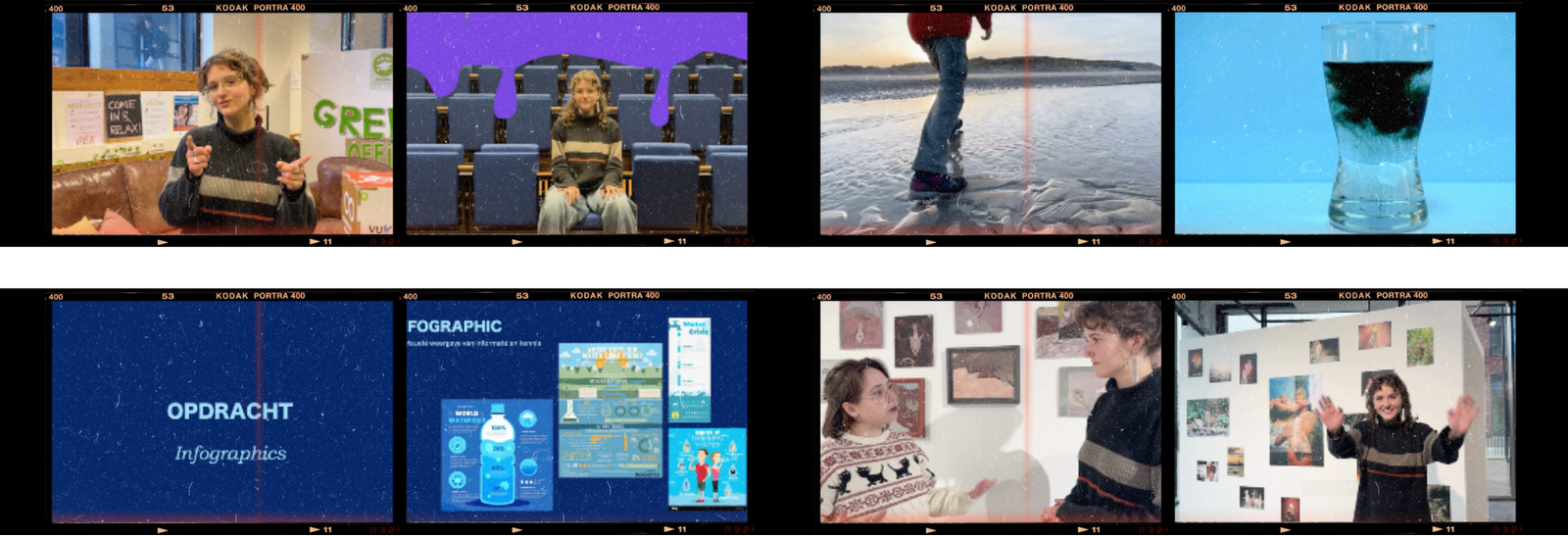
What Lives Beneath the Surface? Youth Voices on Interconnected Water Problems, Through Art and Media
A collaboration between X11 (Media, Design & Technology high school, Utrecht) and the Dutch case study of the RETOUCH project,…
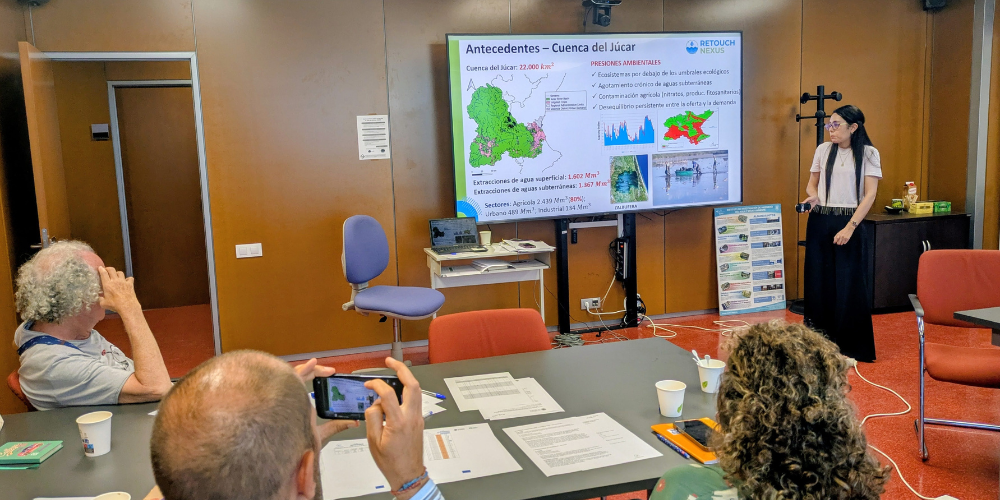
Validating Water Pricing Policies in the Júcar Basin: Highlights from Our Spanish Workshop
On Friday, 12 June, the RETOUCH NEXUS team brought together researchers and stakeholders in Valencia for a hands-on workshop dedicated to the Júcar River Basin. Putting the Hydroeconomic Model to the…
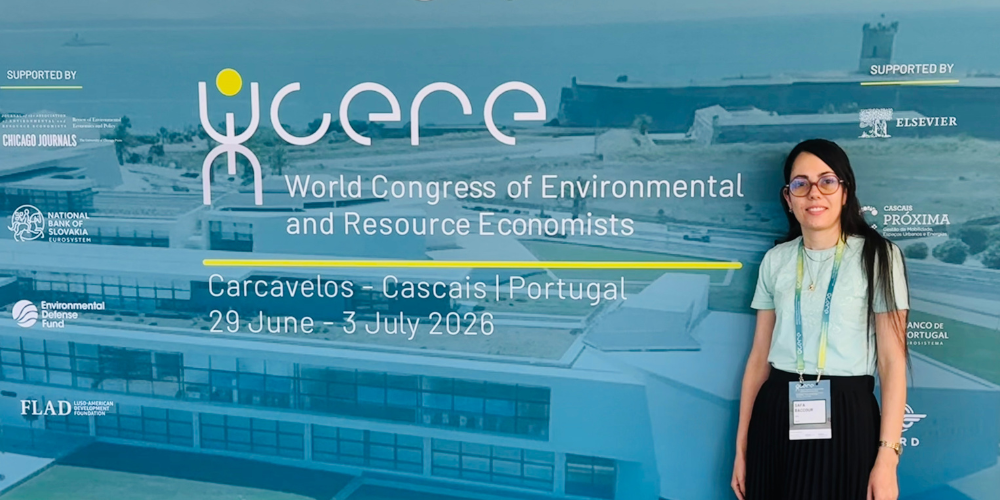
How Should Water Be Priced Under Climate Scarcity? RETOUCH NEXUS at WCERE 2026
RETOUCH NEXUS was represented at the 7th World Congress of Environmental and Resource Economists (WCERE 2026), held from 29 June…
Empowering Women in Water Governance: Join WE-ACT Free Webinar on 22 June
Water security and gender equality are two of the defining challenges of our time, and they are more connected than…
How Should Water Be Priced in a Changing Climate? Safa Baccour Presents New Findings at EGU 2026
Research from the IIAMA institute explores how uniform and dynamic water pricing strategies can reduce unsustainable withdrawals, protect ecosystems, and…
New Policy Brief: Collective & Scalable Strategies for Non-Conventional Water Resources
Collective Rainwater Management in Flanders Flanders faces growing water stress, prompting increasing interest in decentralised, circular water management solutions, such…
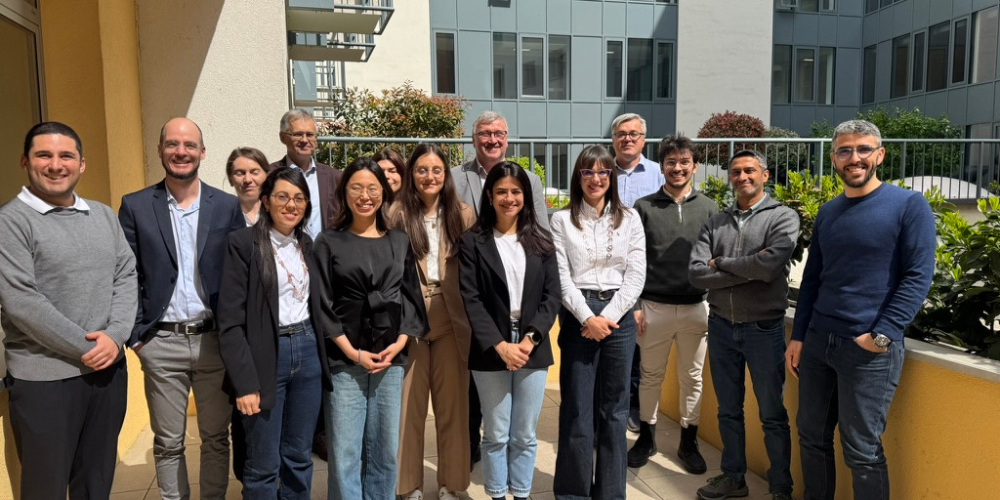
RETOUCH NEXUS 6th General Assembly – Aligning for the Final Stretch
As we enter the final phase of the RETOUCH NEXUS project, our consortium gathered in Bratislava on April 20–21, 2026…
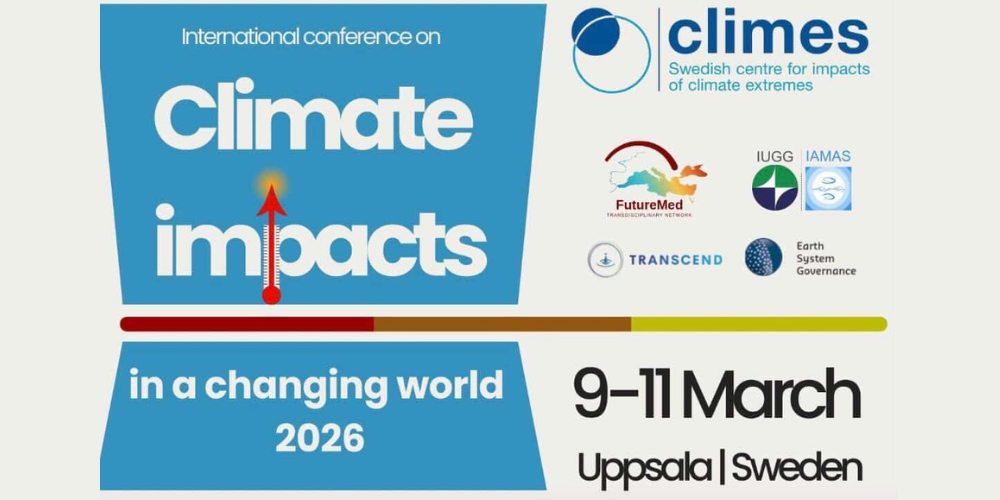
Pricing Water to Protect Nature: Our Partner Safa Baccour Presents at the International Conference on Climate Impacts in a Changing World 2026
We are proud to highlight the participation of our partner Safa Baccour from the Universitat Politècnica de València (UPV) at…
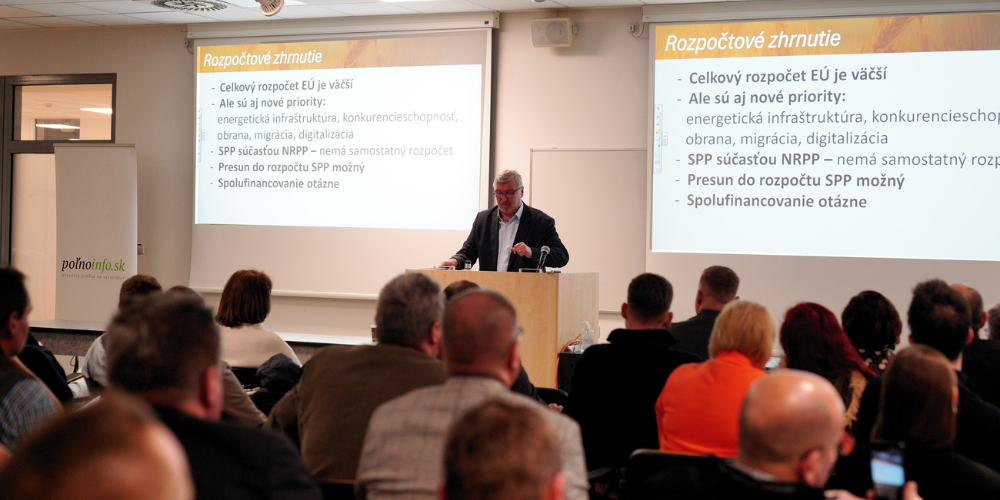
Experts Convene to Shape Slovakia’s Agricultural Future: Workshop on New EU CAP 2028–2034
Over 200 stakeholders gathered at the Slovak University of Agriculture in Nitra on February 5, 2026, for a landmark workshop…