
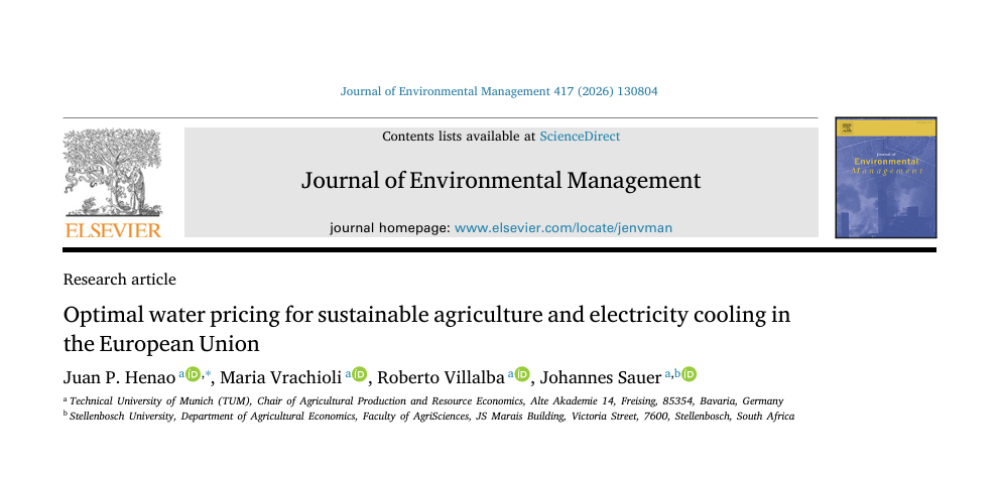
How can water pricing contribute to more sustainable and efficient water allocation across Europe? A new scientific publication from the RETOUCH NEXUS project explores this question by examining the interconnections between agriculture, electricity cooling and water resources through a Water-Energy-Food-Ecosystems (WEFE) nexus perspective.
The paper, “Optimal water pricing for sustainable agriculture and electricity cooling in the European Union“, authored by Juan Pablo Henao, Maria Vrachioli, Roberto Villalba and Johannes Sauer, investigates how water pricing mechanisms could support the implementation of the EU Water Framework Directive (WFD), while accounting for the economic interdependencies between water-using sectors.
Bringing the WEFE nexus into water pricing
The EU Water Framework Directive promotes the recovery of the costs of water services, but designing effective pricing mechanisms is challenging when different sectors compete for limited water resources.
To tackle this, the reaserchers combine an optimisation model with a revenue stochastic frontier analysis. This helps identify conditionally optimal water allocations and pricing mechanisms for agriculture and electricity cooling, while taking account of the water-stress threshold in SDG target 6.4.2.
Using country-level data from 27 EU Member States between 2000 and 2019, the study explores how different water-availability and water-use scenarios could shape both economic outcomes and water allocation.
What does the analysis show?
The results vary markedly across Europe. Under the model’s assumptions, at least 16 EU countries have water allocations that differ from the identified conditional optimum or involve unsustainable water use.
The analysis also shows that more conservative water allocations can increase countries’ resilience to water-stress scenarios. However, as water scarcity becomes more severe, some countries could experience economic losses.
Importantly, the study identifies different roles that water pricing could play depending on national circumstances. In some countries, pricing mechanisms could help reduce water use where allocations exceed optimal levels. In others, pricing could support the redistribution of water between sectors, particularly from electricity supply towards agriculture.
Connecting water policy with the energy transition
One of the study’s key insights concerns the relationship between water use and electricity production. The analysis finds that deviations from conditional optimal allocations are largely associated with higher-than-optimal water use in the electricity supply sector.
This point to an important WEFE nexus connection: moving towards renewable energy sources with lower water footprints could ease pressure on water resources. Under the model’s assumptions, some of that water could then be redirected to sectors such as agriculture, where it could generate greater economic benefits.
This demonstrates how decisions in the energy sector can have significant implications for water allocation and agricultual outcomes.
Supporting more effective water pricing policies
The findings suggest that water pricing can be an important tool for delivering the WFD’s cost-recovery provisions and encouraging more sustainable water use. But pricing alone is unlikely to meet every WFD objectives, it may need to work alongside other policy measures.
By bringing together water allocation, economic preformance, energy-water interdependencies and environmental objectives, the study contributes to the RETOUCH NEXUS ambition of supporting integrated and resilient water governance.
Future research could extend the approach to river-basin or regional scales, incorporate additional sectors and develop more comprehensive system-wide models of water demand.
New Publication: Optimal Water Pricing for Sustainable Agriculture and Electricity Cooling in the European Union
How can water pricing contribute to more sustainable and efficient water allocation across Europe? A new scientific publication from the…
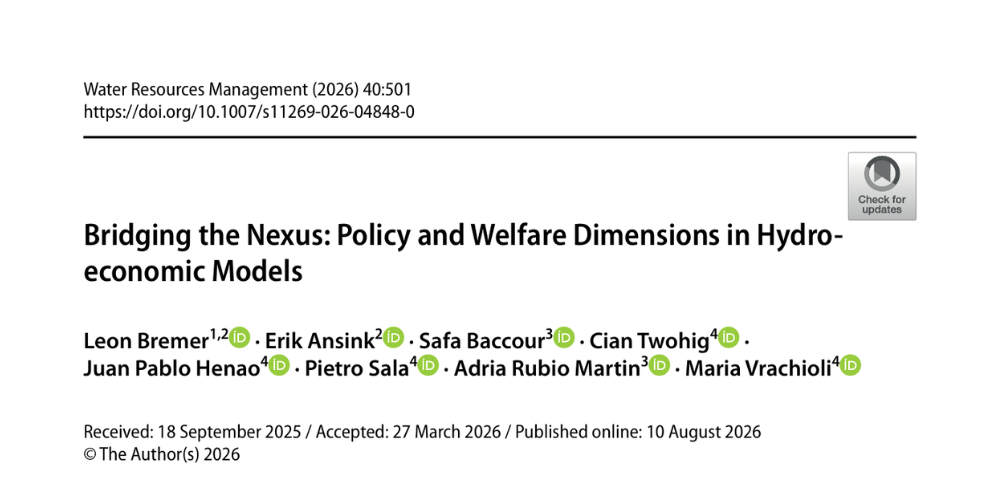
New Publication – Bridging the Nexus: Policy and Welfare Dimensions in Hydro-economic Models
How can water policies better account for the complex interconnections between water, energy, food and ecosystems? A new scientific publication…
RETOUCH NEXUS Contributes to the Horizon Europe Reality Check on SHH Integration
On 27 November 2025, the European Commission's DG RTD organised the Reality Check on "Key success factors in the implementation…
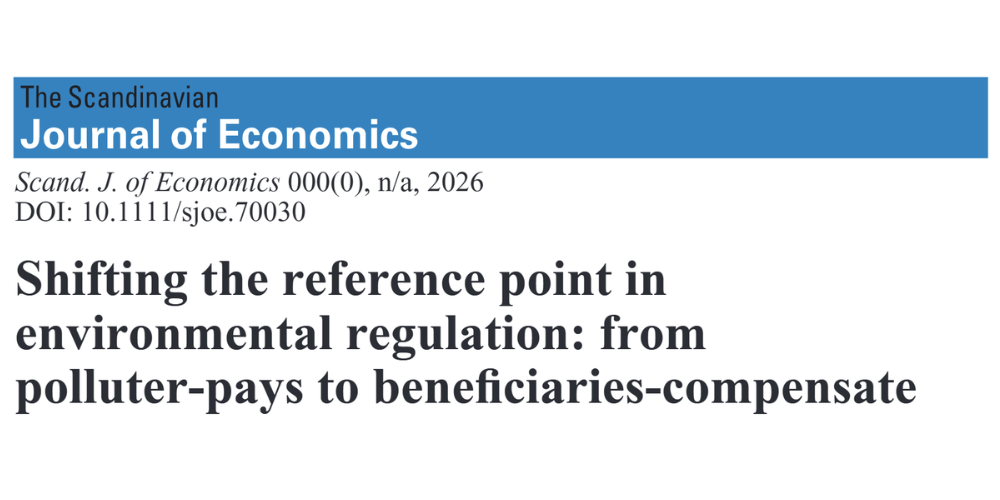
New Research: A Market-Based Alternative to “Polluter Pays” – Powered by Smart Contracts
We're proud to spotlight the latest publication from our partner Erik Ansink (Vrije Universiteit Amsterdam), co-authored with Jens Gudmundsson and…
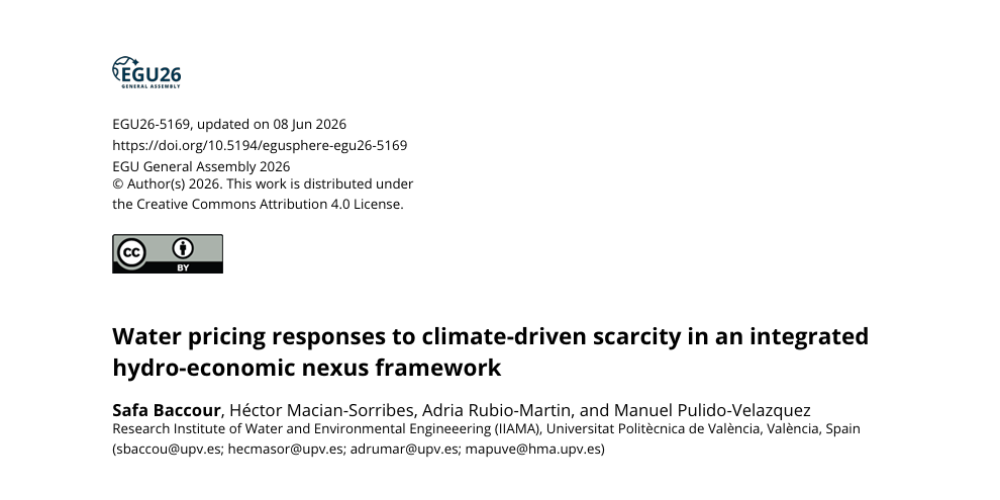
How Should Water Be Priced in a Changing Climate? Safa Baccour Presents New Findings at EGU 2026
Research from the IIAMA institute explores how uniform and dynamic water pricing strategies can reduce unsustainable withdrawals, protect ecosystems, and…

Water is life, and Europe is facing an urgent need to protect this vital resource.
On 3 June 2025, the European Commission presented the European Water Resilience Strategy, the EU’s first-ever comprehensive plan to address the…
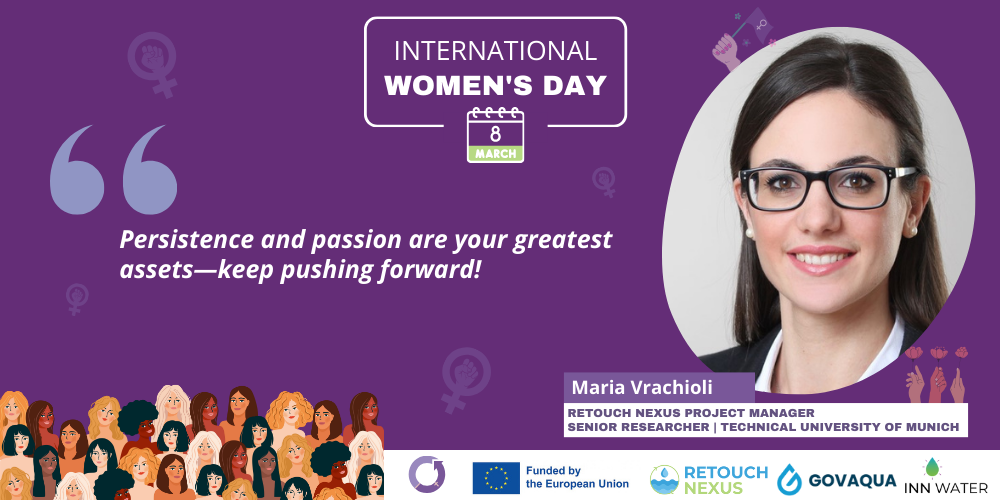
International Women’s Day: let’s celebrate our female researchers! Interview with Maria Vrachioli
Together with our sister projects of the Water Governance 2027 Synergy Group, GOVAQUA and InnWater, we are delighted to dedicate…
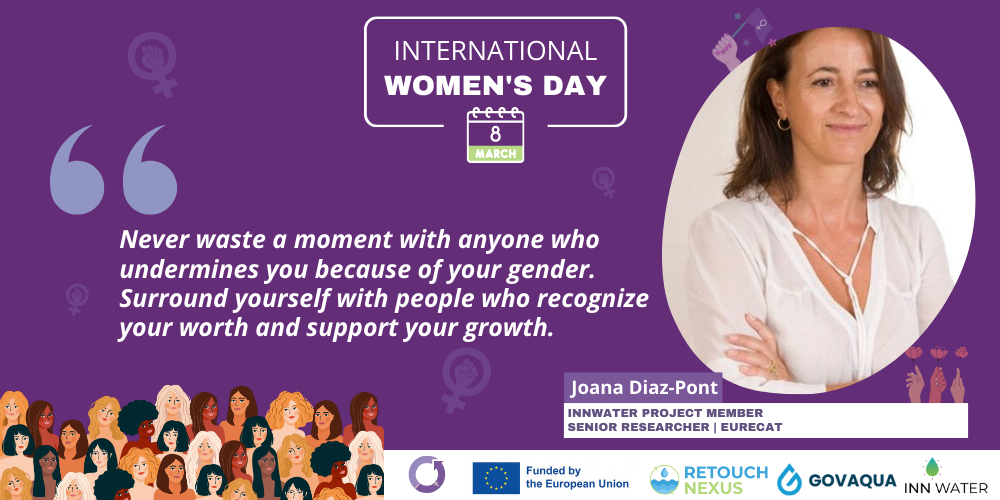
International Women’s Day: let’s celebrate our female researchers! Interview with Joana Diaz-Pont
Together with our sister projects of the Water Governance 2027 Synergy Group, GOVAQUA and InnWater, we are delighted to dedicate…
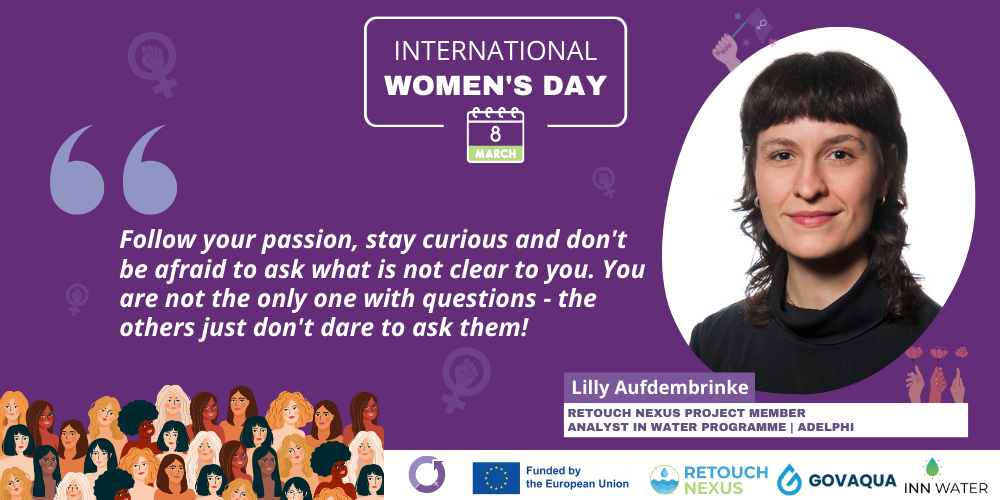
International Women’s Day: let’s celebrate our female researchers! Interview with Lilly Aufdembrinke
Together with our sister projects of the Water Governance 2027 Synergy Group, GOVAQUA and InnWater, we are delighted to dedicate…
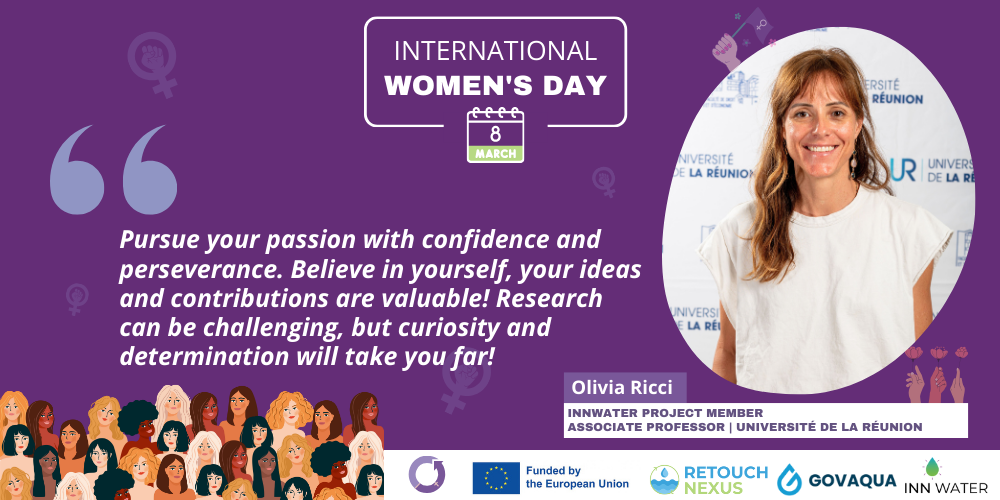
International Women’s Day: let’s celebrate our female researchers! Interview with Olivia Ricci
Together with our sister projects of the Water Governance 2027 Synergy Group, GOVAQUA and InnWater, we are delighted to dedicate…