
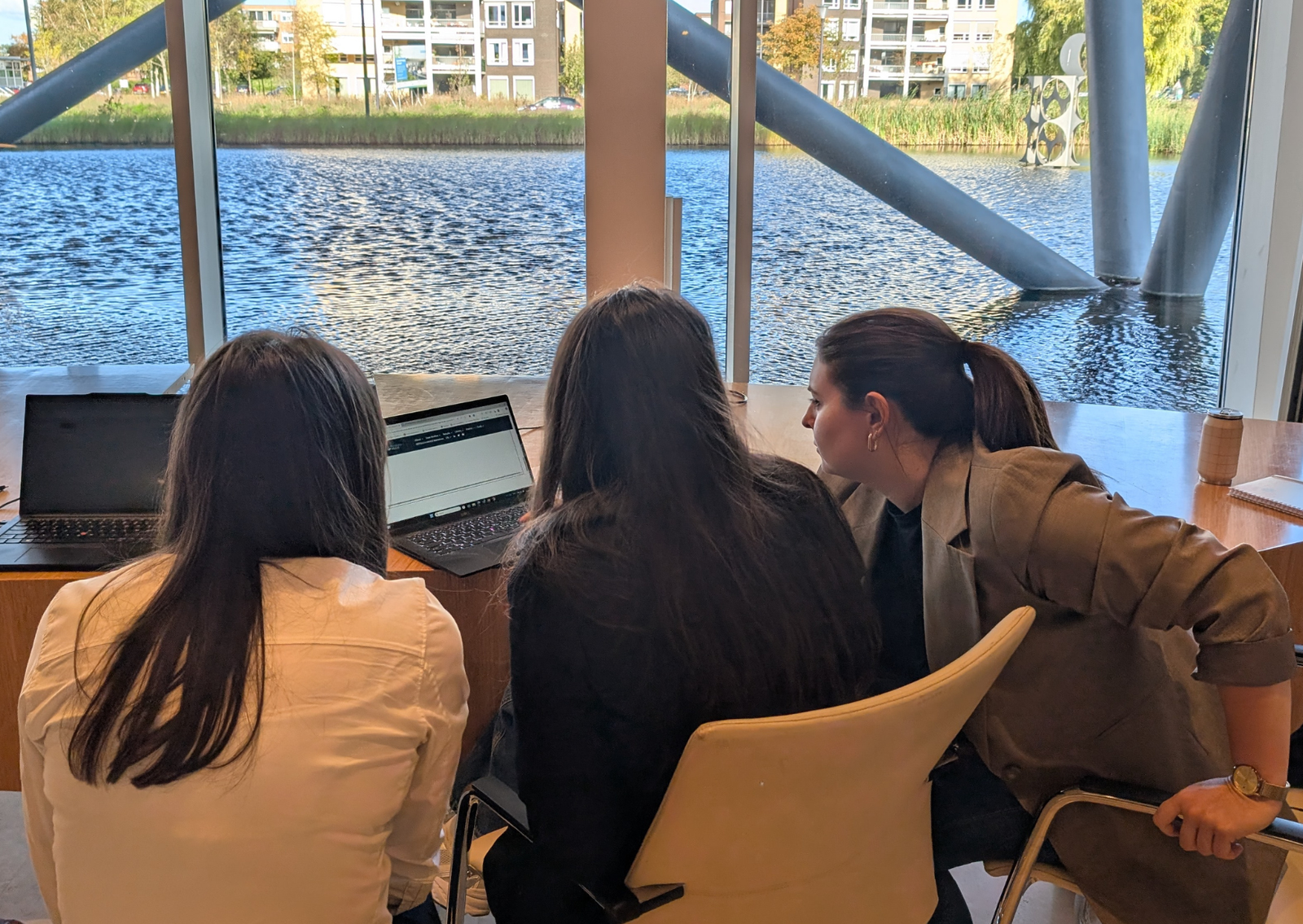
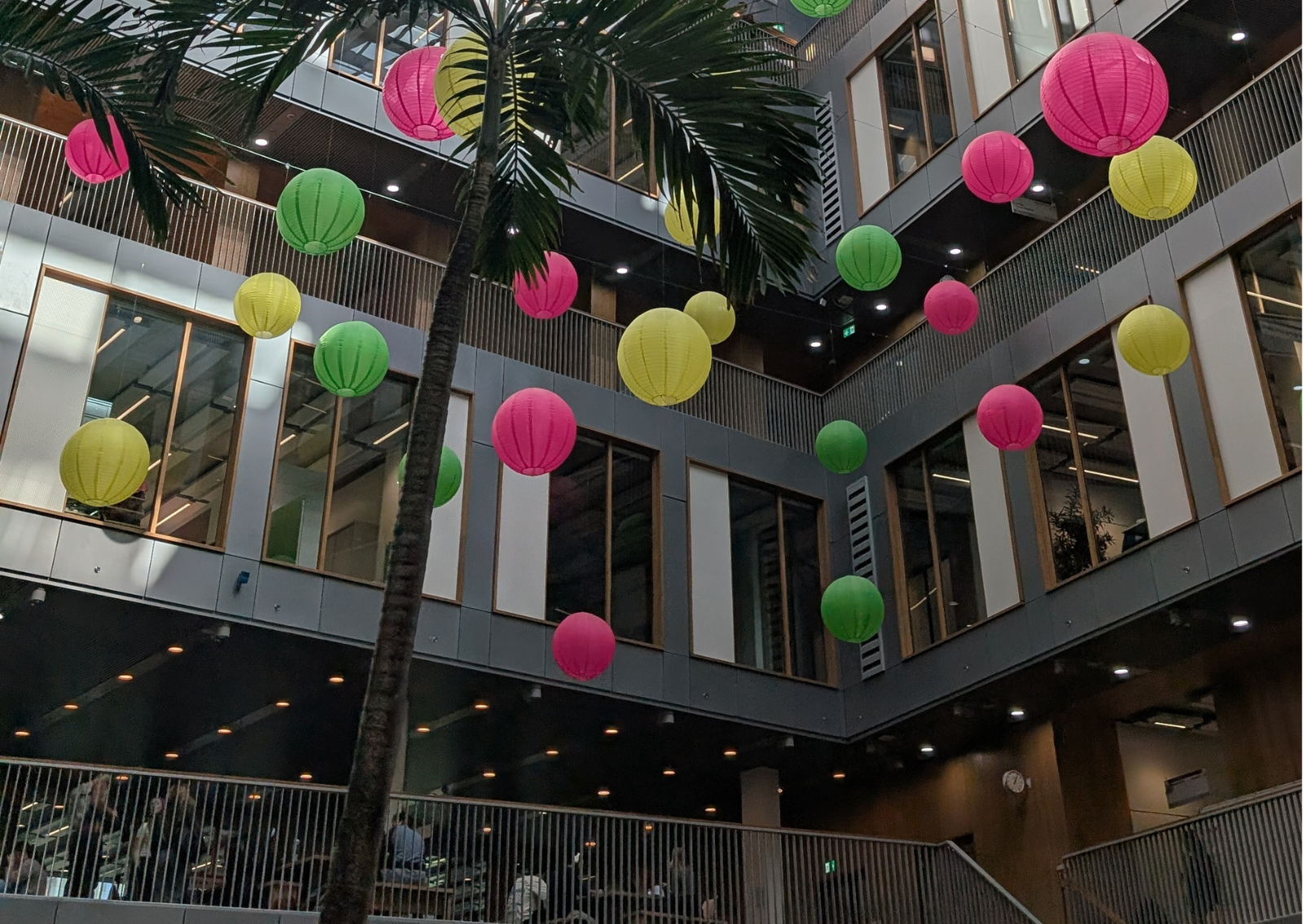
As we progress through the third year of the RETOUCH NEXUS project, our consortium gathered in Amsterdam on September 23-24 for our 5th General Assembly, hosted by our partners at Vrije Universiteit Amsterdam!
On the agenda: reviewing project progress, intensive sessions on policy briefs and modeling coordination, stakeholder engagement strategies, a field visit to Hoogheemraadschap Hollands Noorderkwartier (HHNK), and defining priorities for the final project phase!
The Amsterdam General Assembly provided an opportunity for all partners to align efforts around three key priorities identified in Malta: policy recommendations and governance frameworks, modeling coordination, and stakeholder engagement. This meeting marked our evolution from parallel case study development toward integrated, cross-cutting approaches.
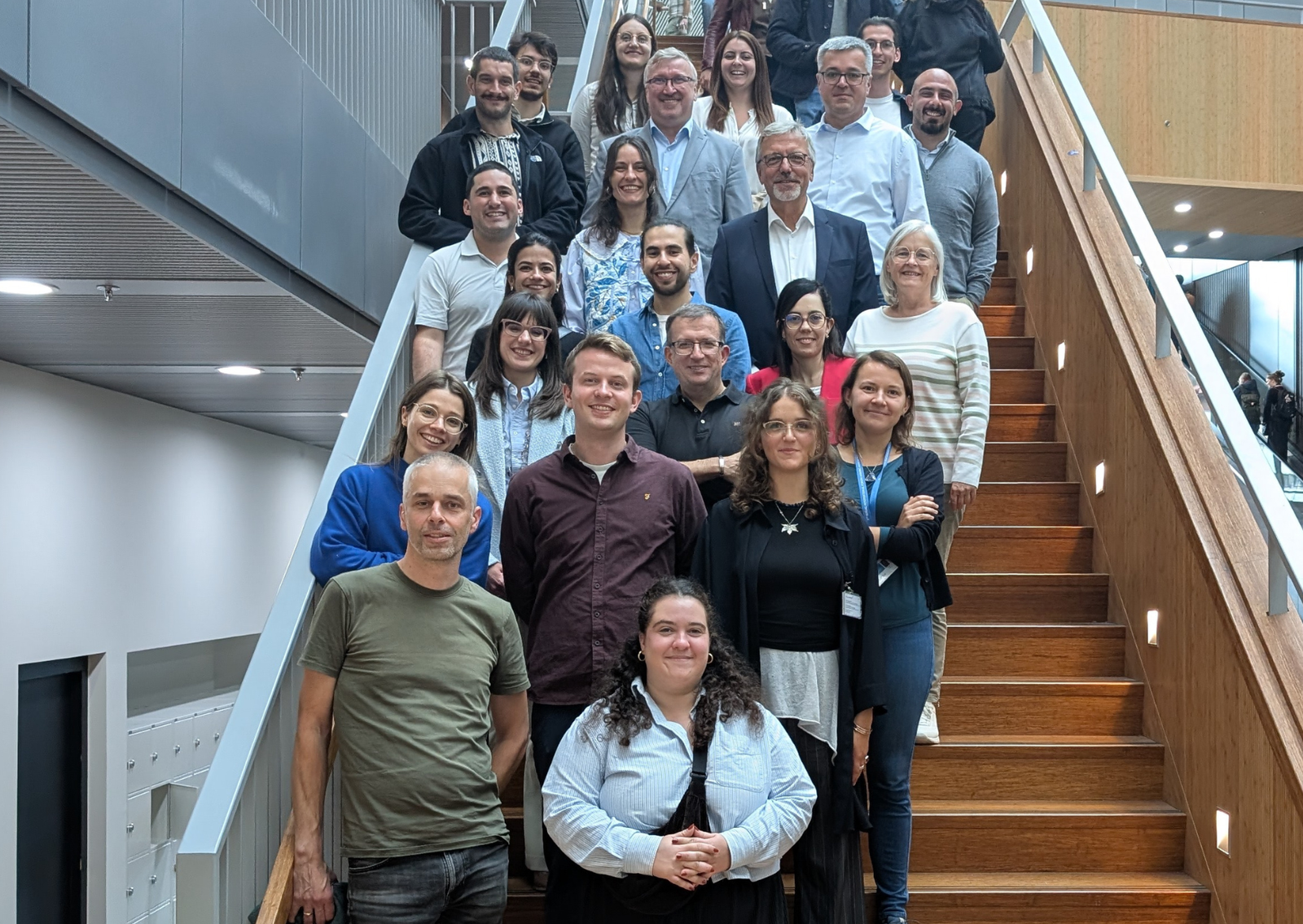
“Forming – Storming – Norming – Performing“
– Bruce Tuckman, 1965
This reference to Bruce Tuckman’s team development model captured the meeting’s spirit – we’re moving from establishing foundations toward delivering real impact.
Day 1: Strategic Alignment
Policy Briefs Taking Shape
Each case study presented progress on their policy briefs, revealing the diversity of challenges across Europe.
Modeling Clinic: Technical Coordination
The modeling session showcased substantial technical progress across diverse approaches. Water pricing emerged as a dual-purpose tool for both cost recovery and promoting efficient water use.
Case studies presented their methodologies:
- Spanien: Calculating Marginal Resource Opportunity Costs for optimal water allocation
- Malta: Dynamic sustainability model linking economy-water-energy in support of agriculture
- Slowakei: Input-Output model integrating household demand data
- Deutschland: Linking SWAT outputs with System Dynamics modeling
- Niederlande: Cost-Benefit Analysis combining choice experiments with engineering data
- Belgium: Rainwater harvesting scenarios comparing greenfield versus greyfield implementations
Business Models and Governance
The Greening the Islands (GTI) team presented progress on the Build-Operate-Transfer (BOT) framework for managing water facilities. Discussion highlighted the need for greater specificity on how business models align with local governance arrangements and what incentives will attract private investment.
Critical Questions Emerging
Partners identified key challenges that need addressing:
- How do we genuinely address the NEXUS approach (not just water in isolation)?
- How do we ensure research translates into real-world implementation?
- How do we keep stakeholders engaged throughout the project?
Day 2: Field Application with HHNK
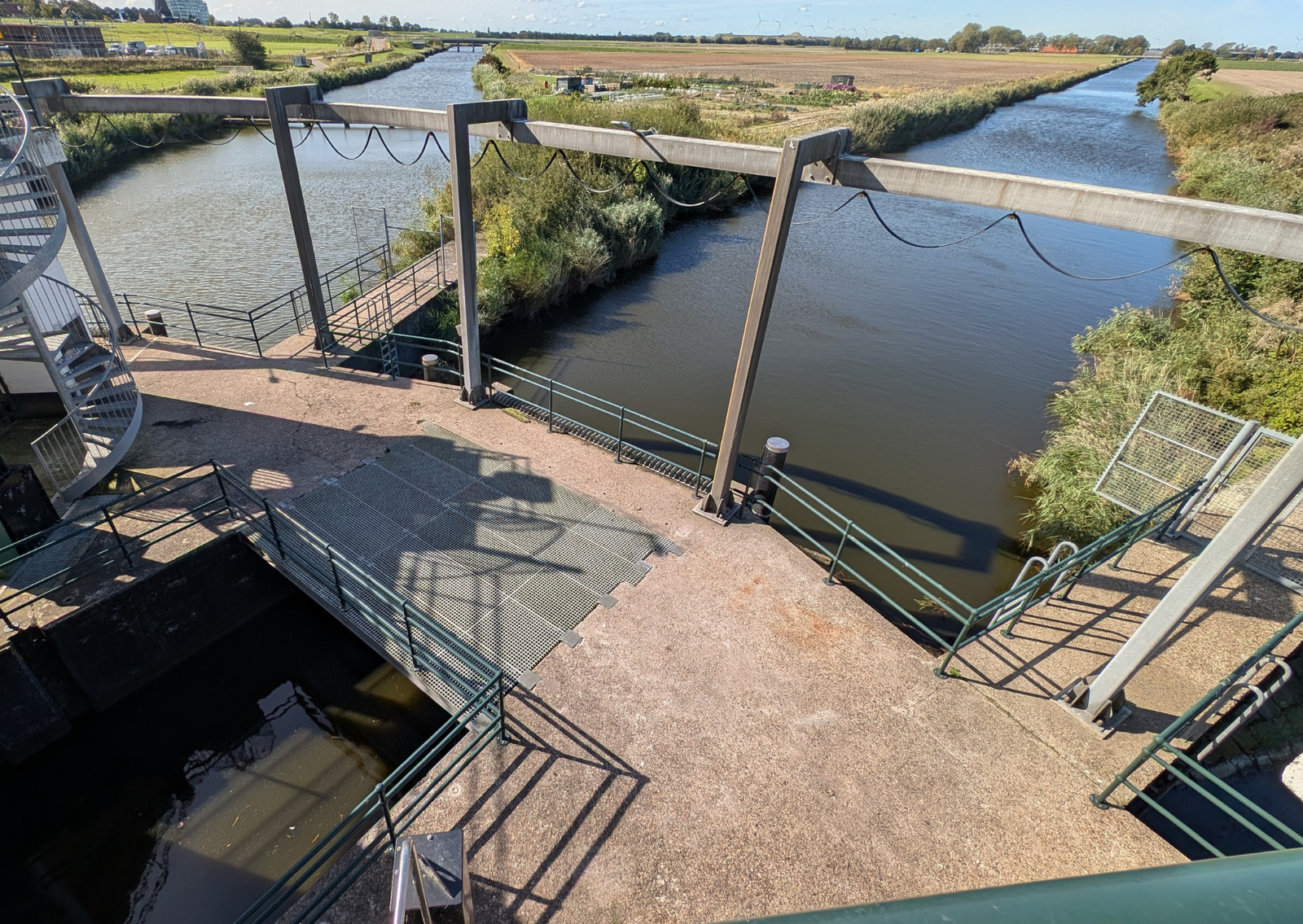
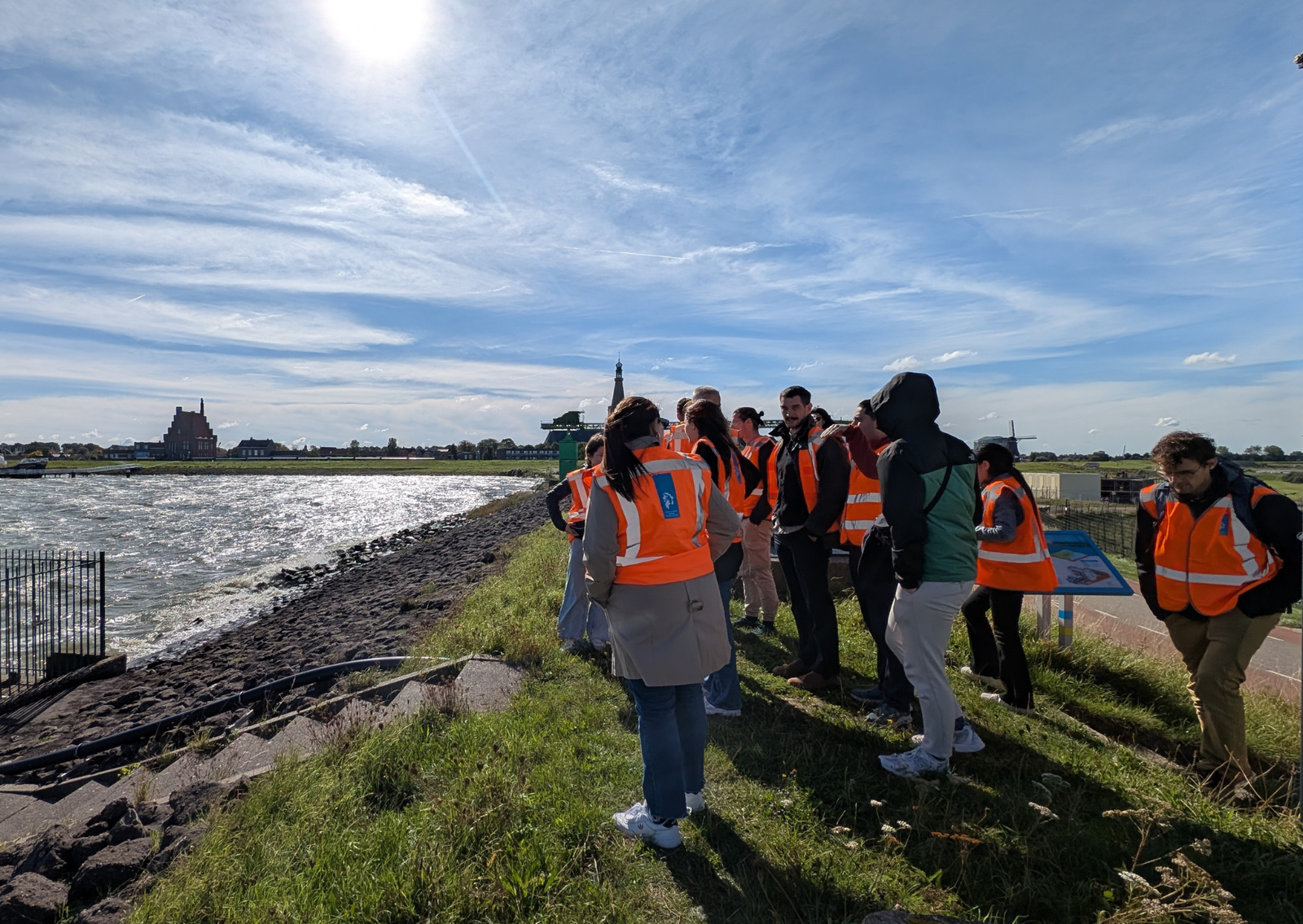
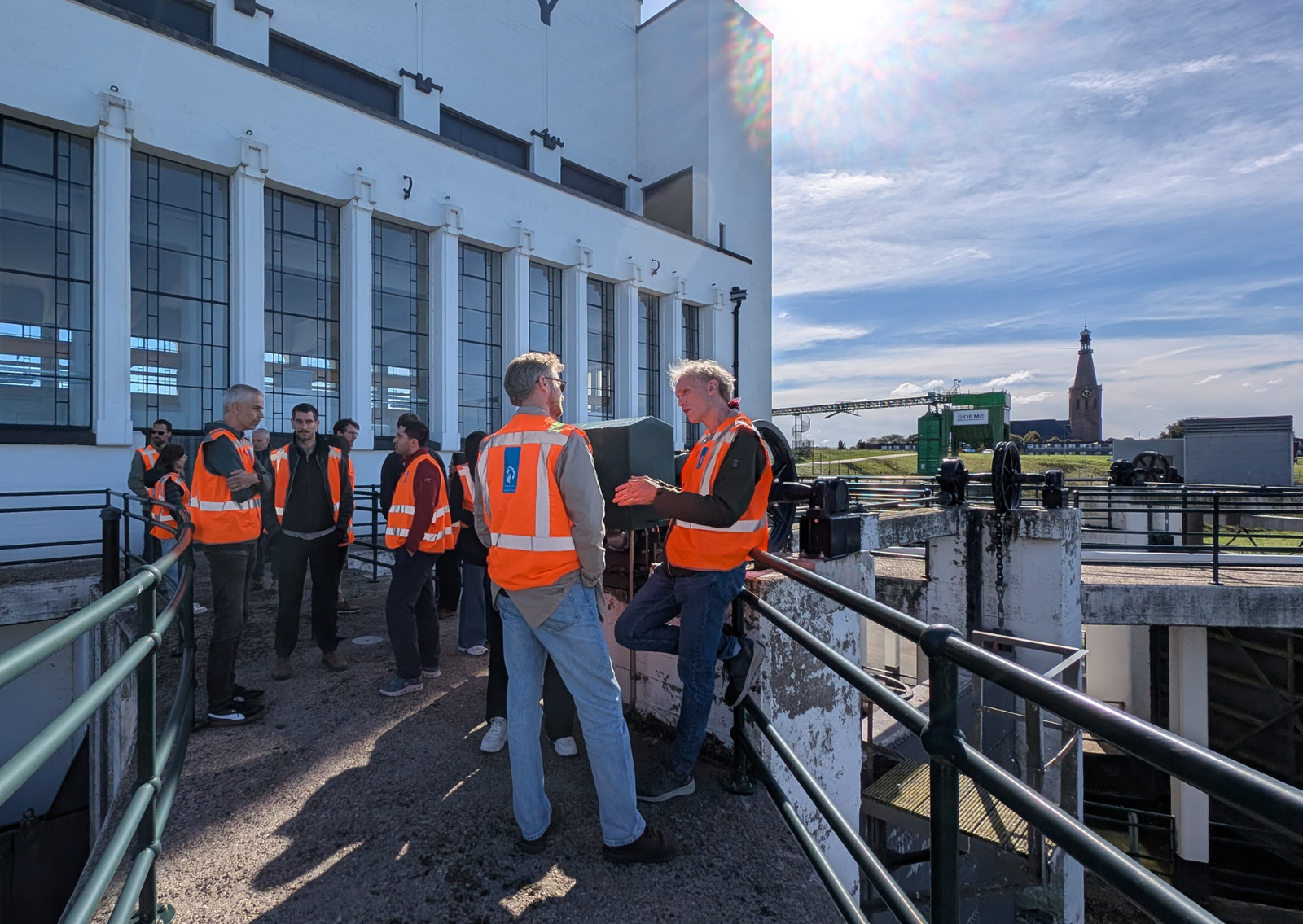
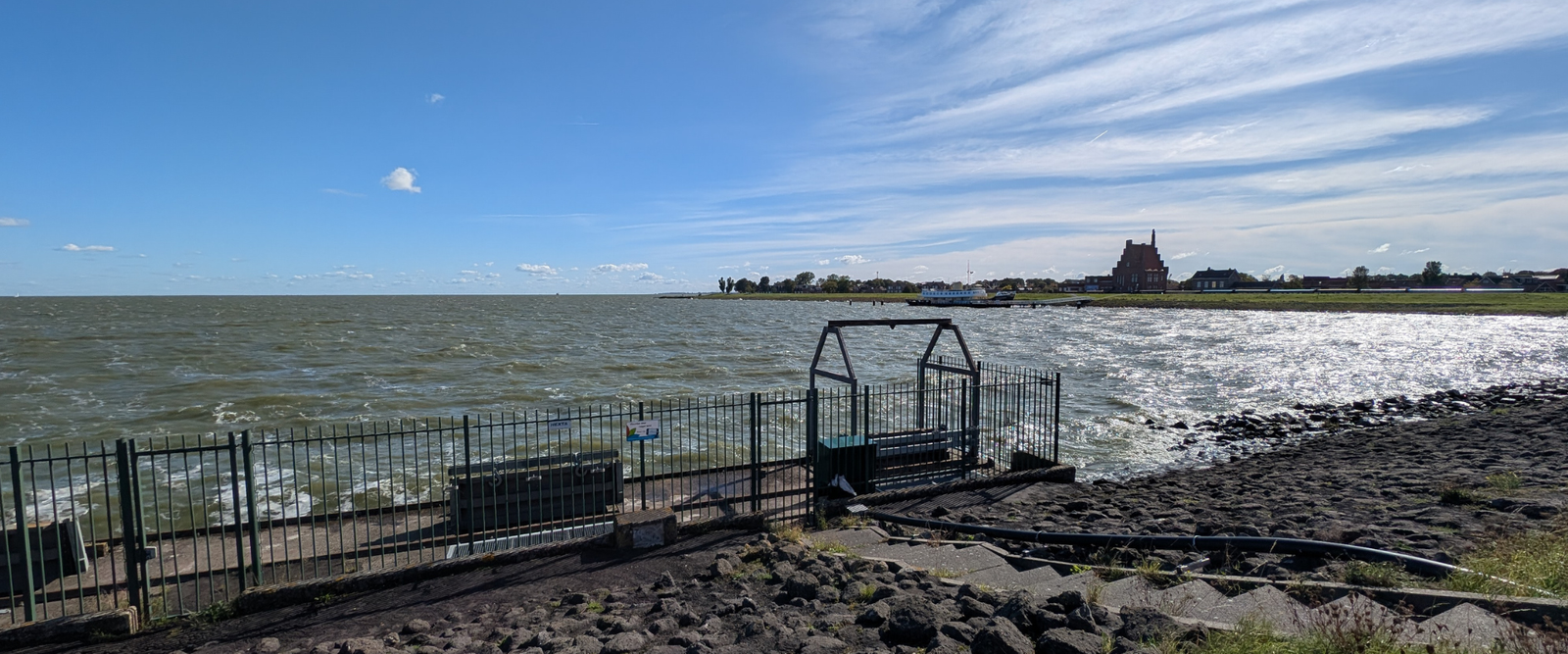
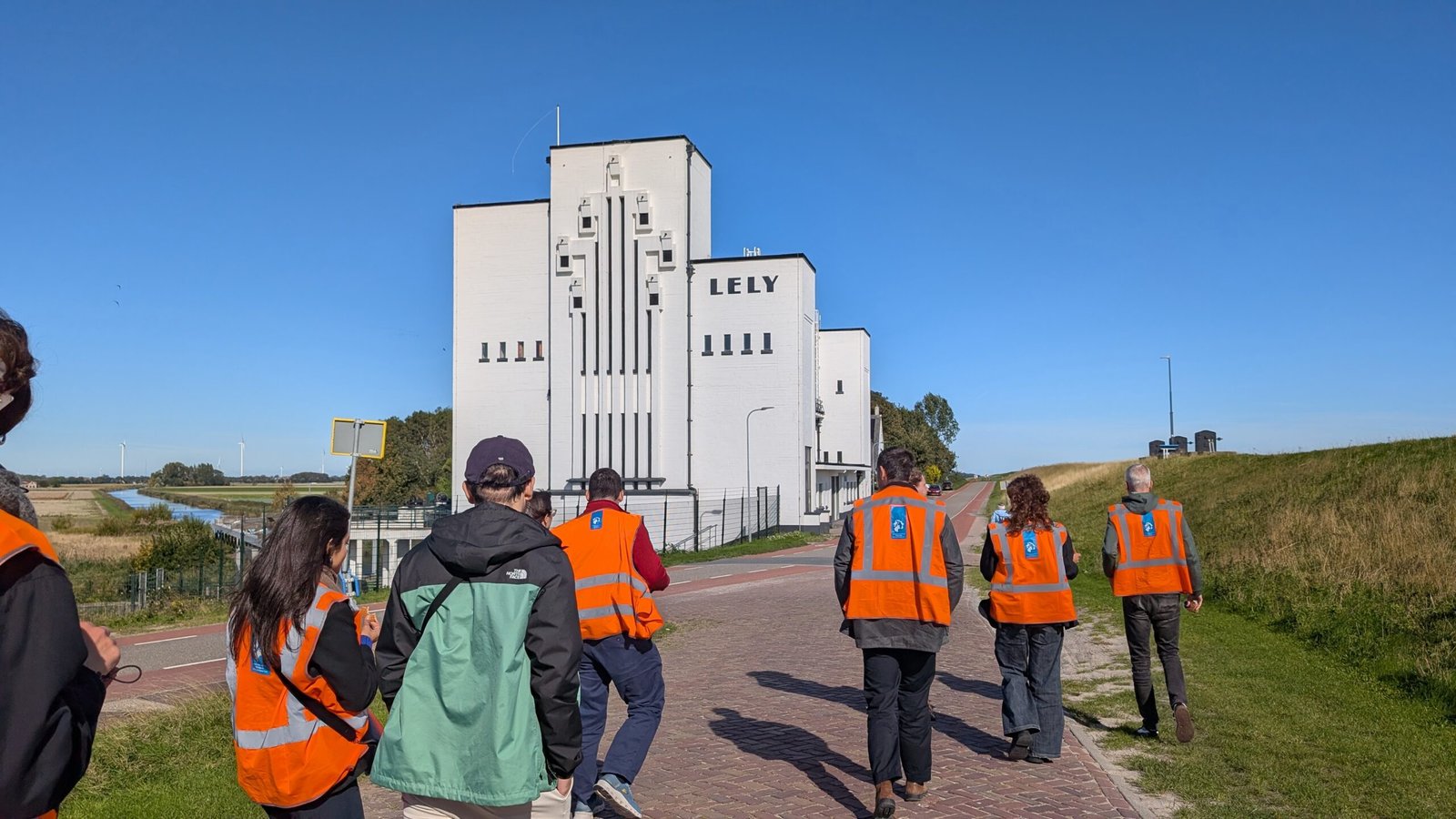
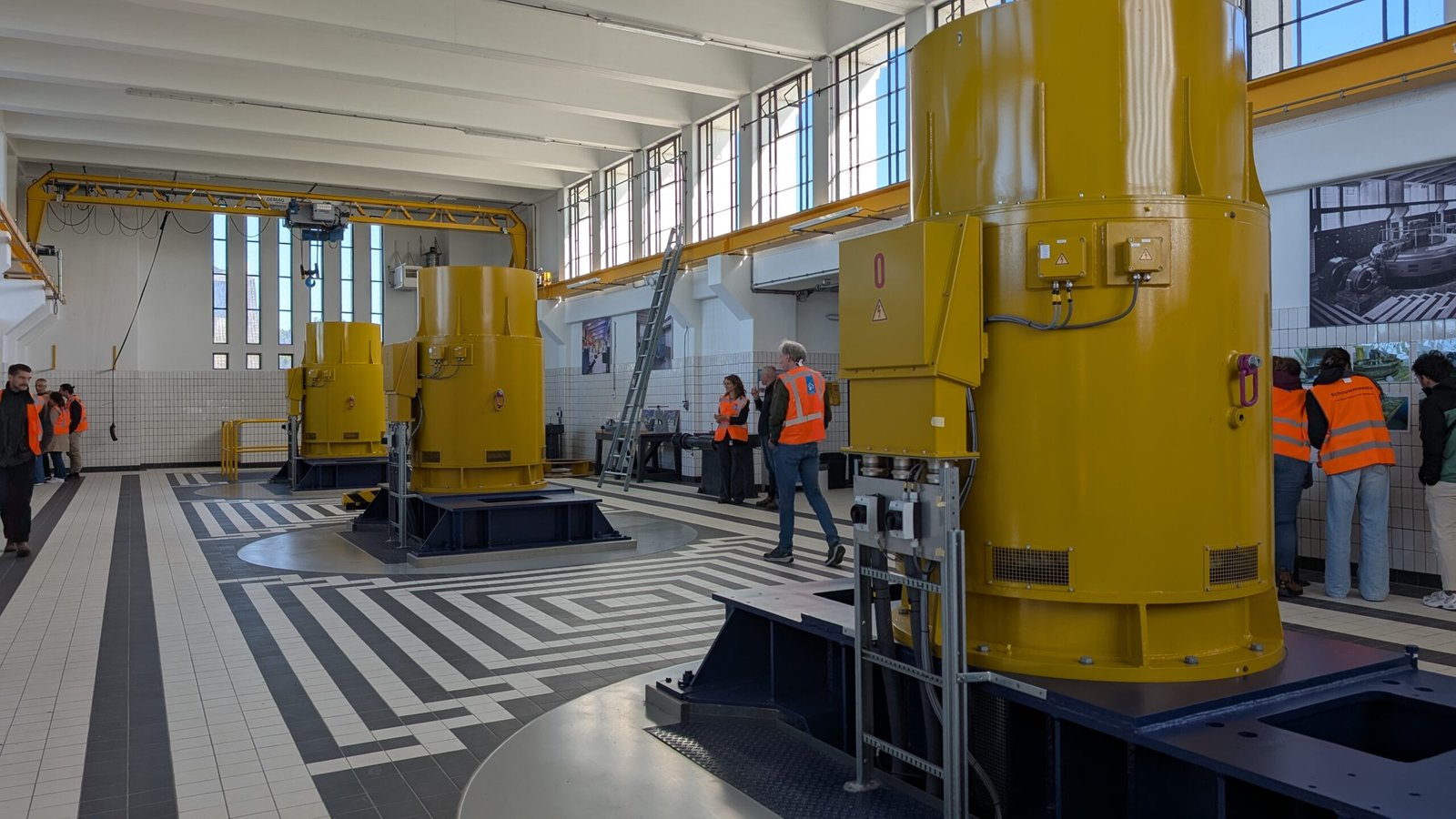
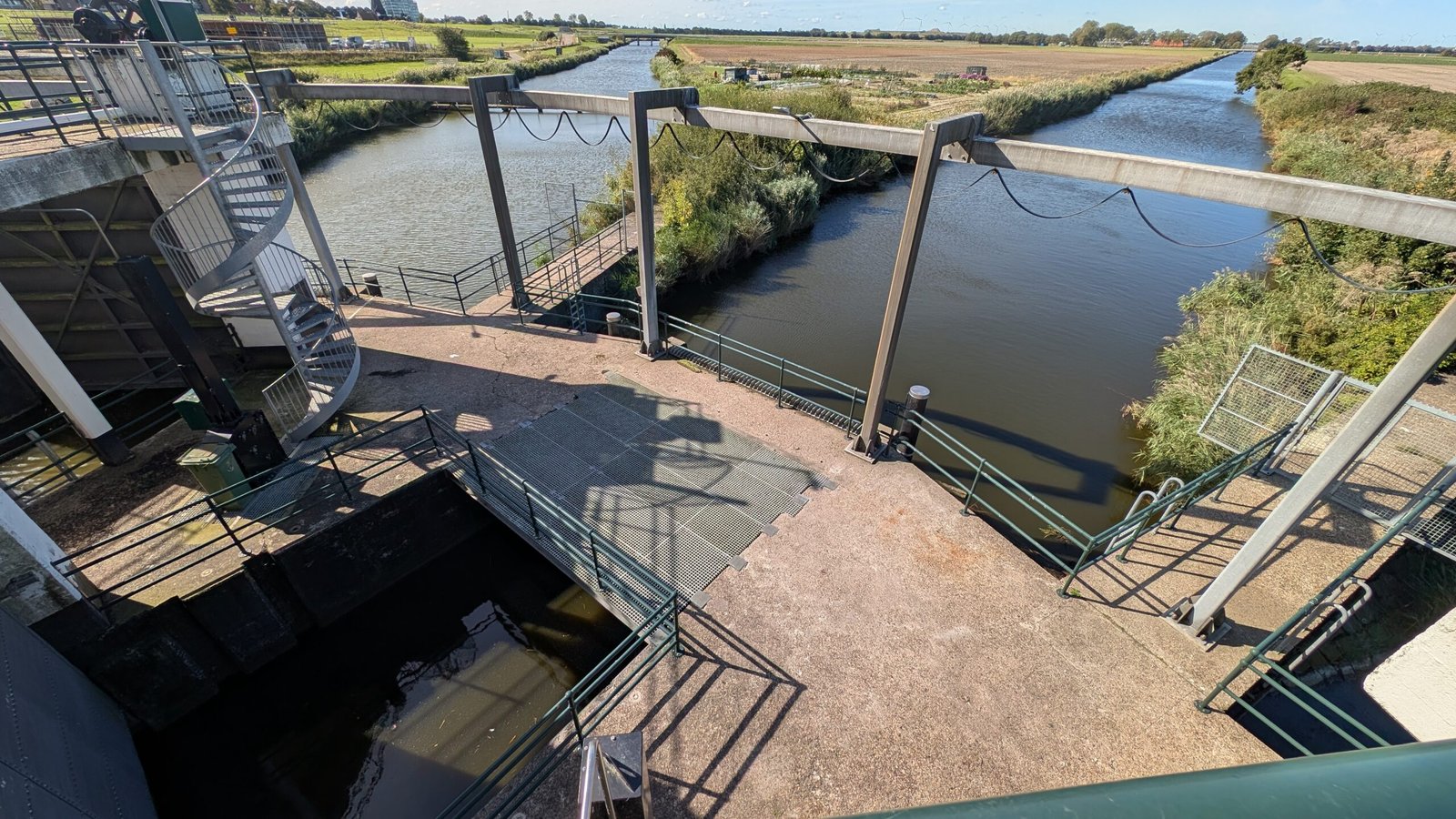
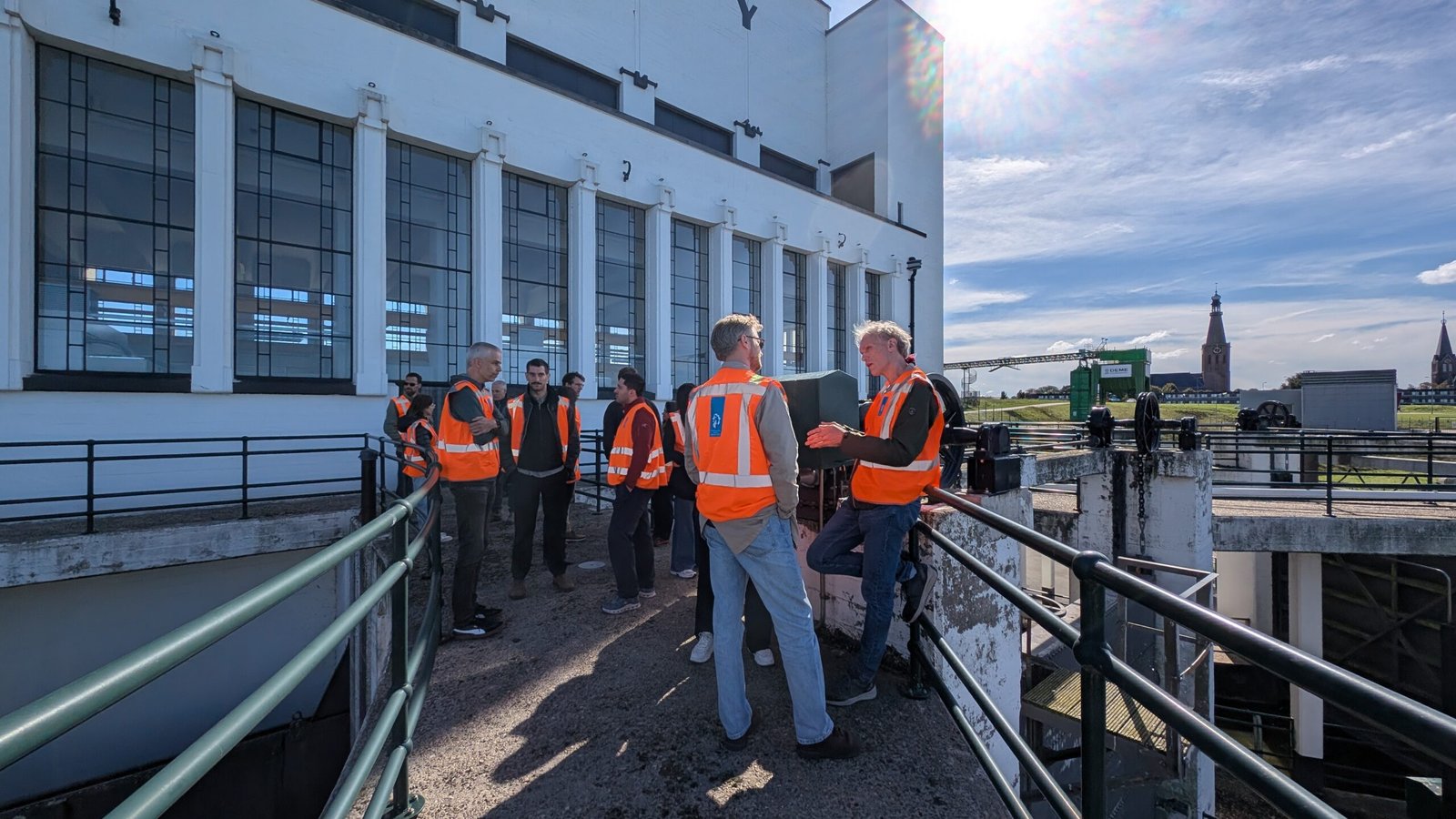
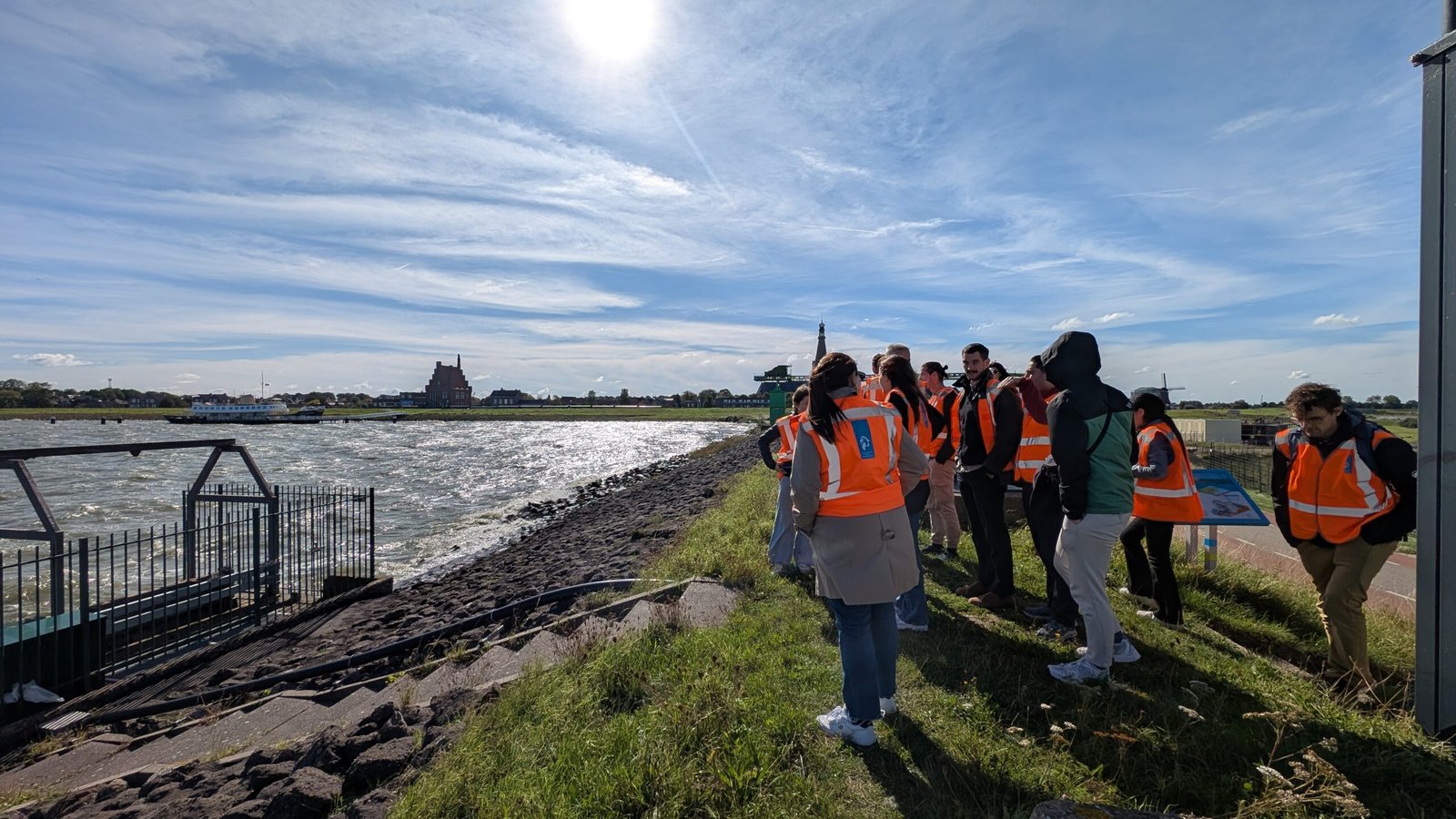
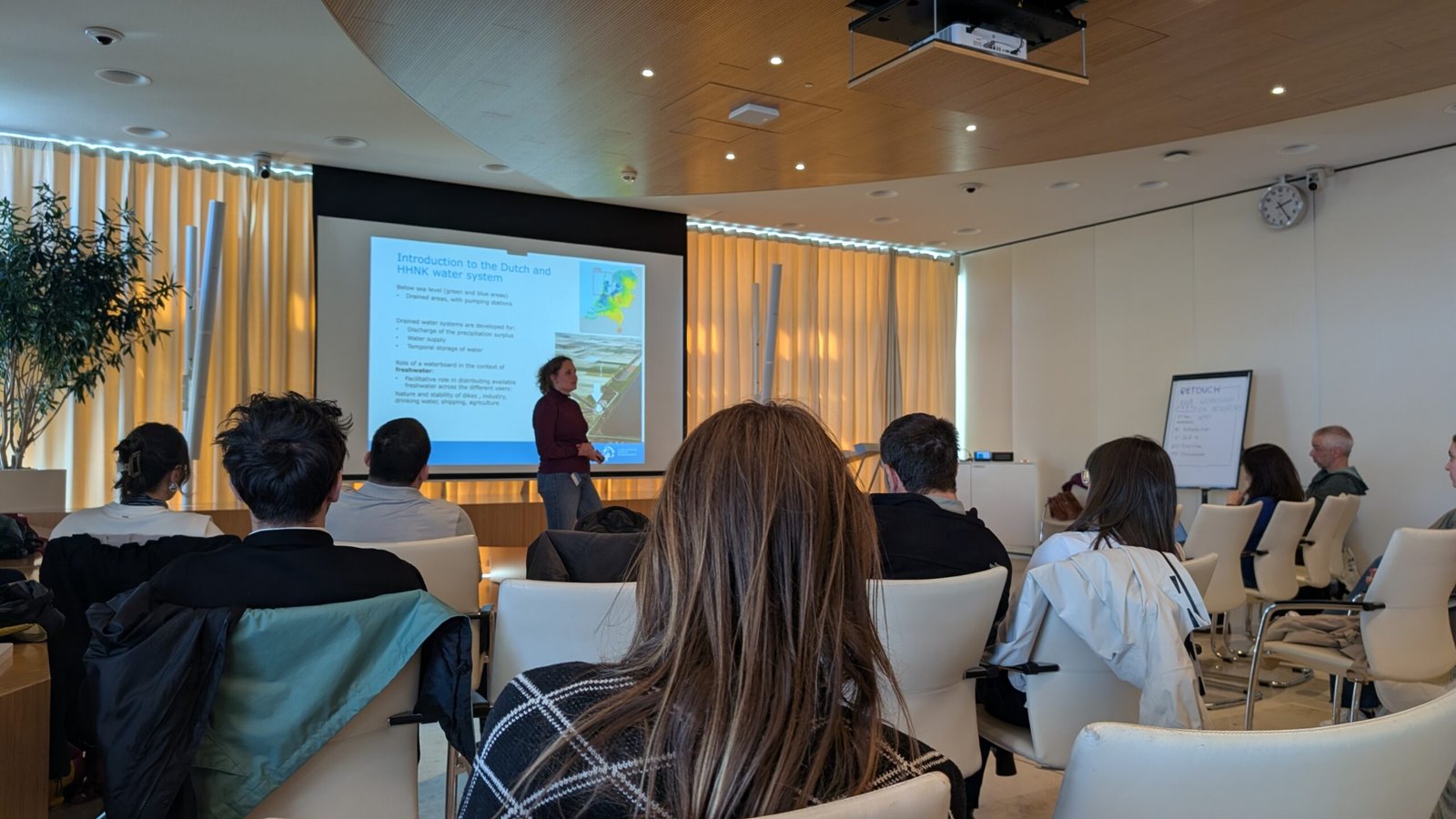
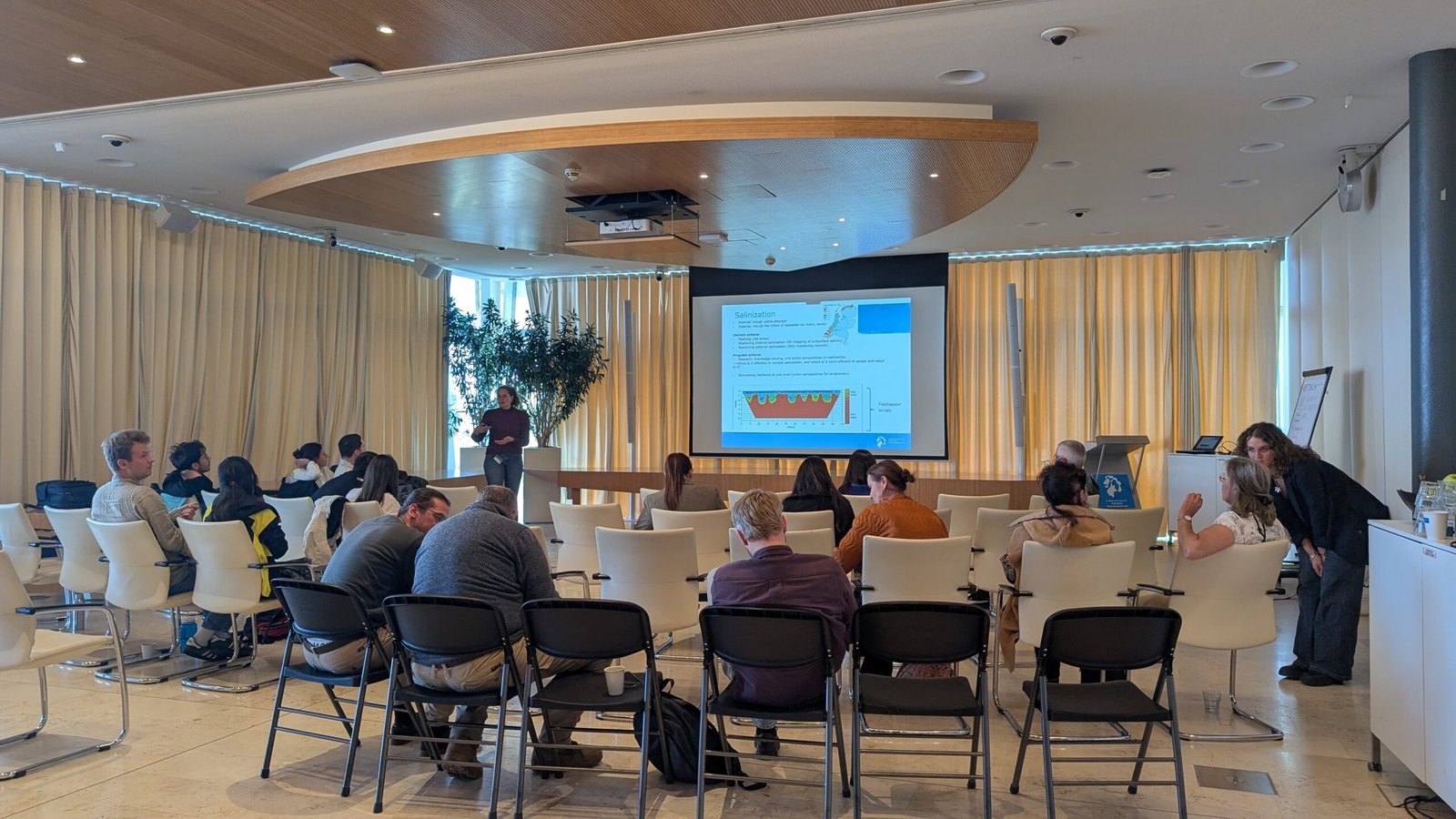
The second day brought theory to practice through a comprehensive field visit with Hoogheemraadschap Hollands Noorderkwartier (HHNK), one of the world’s oldest democratic water institutions.
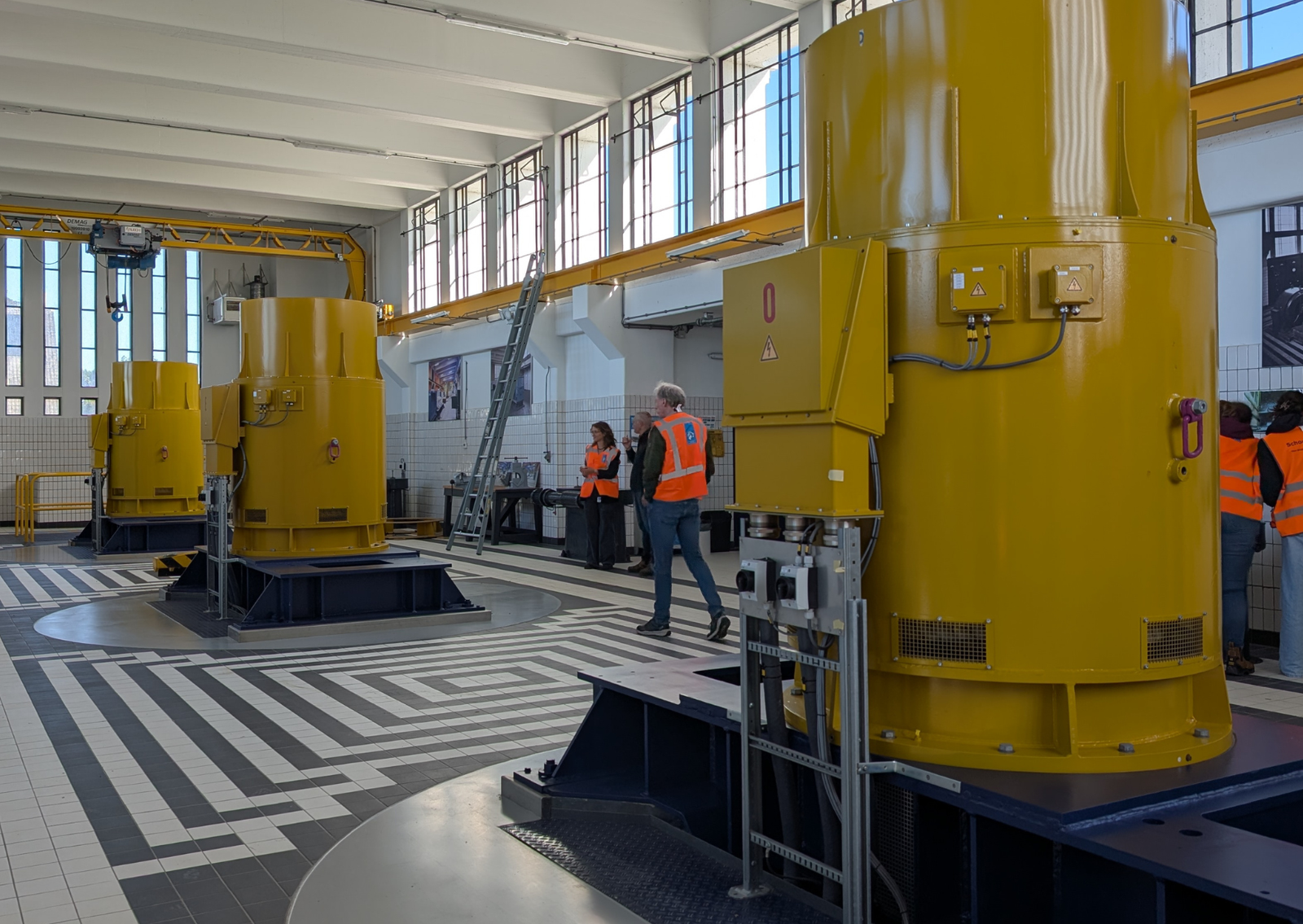
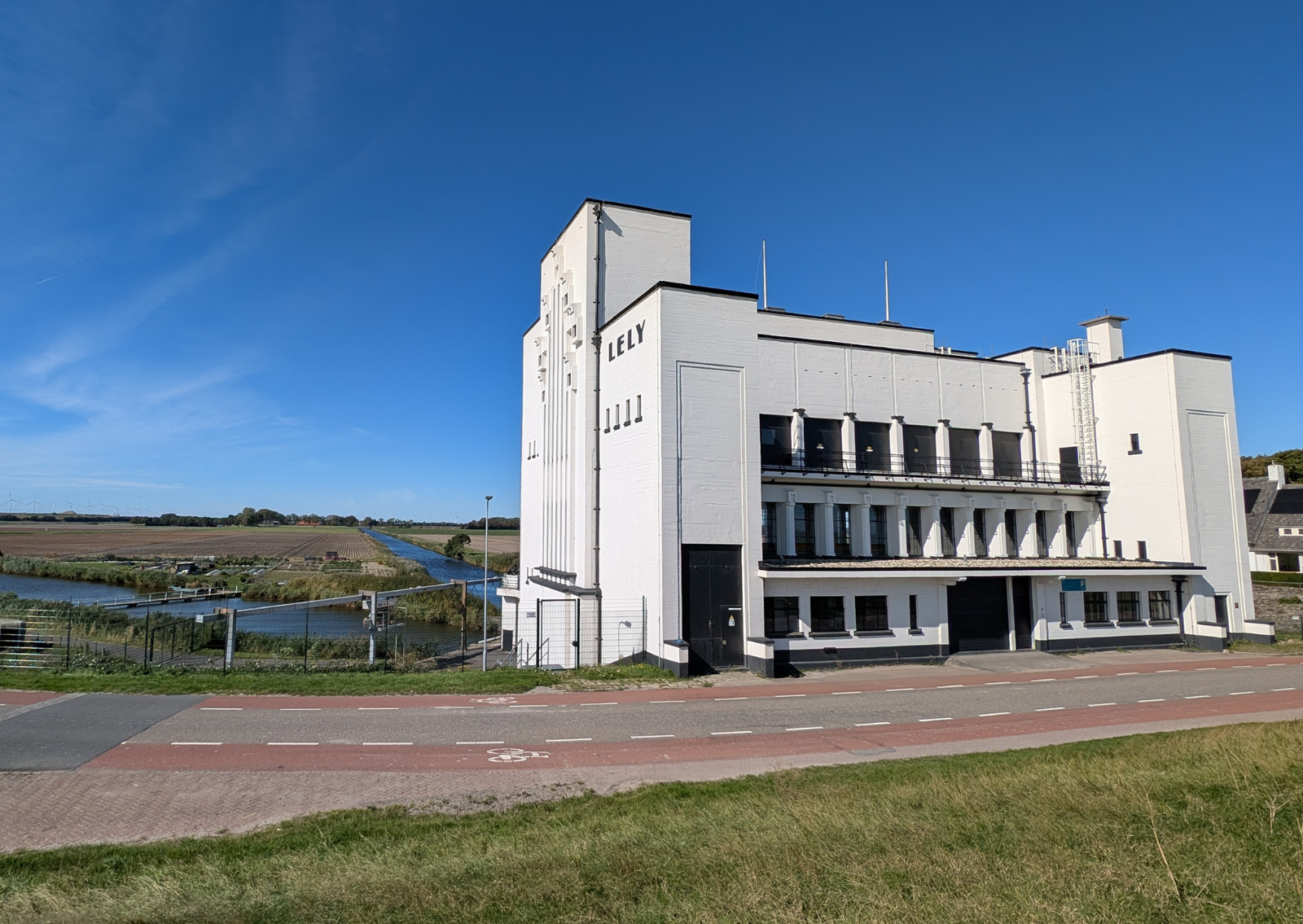
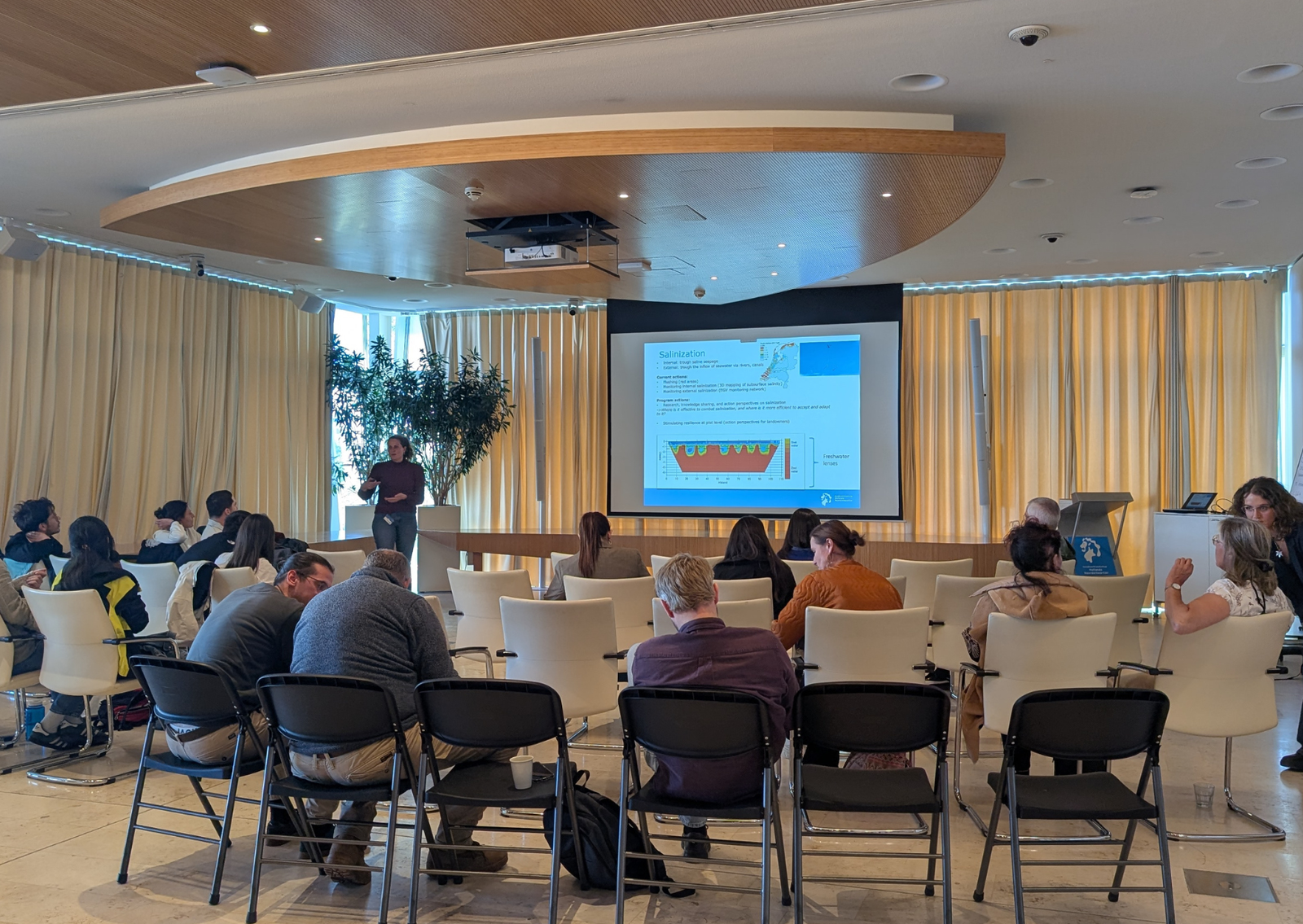
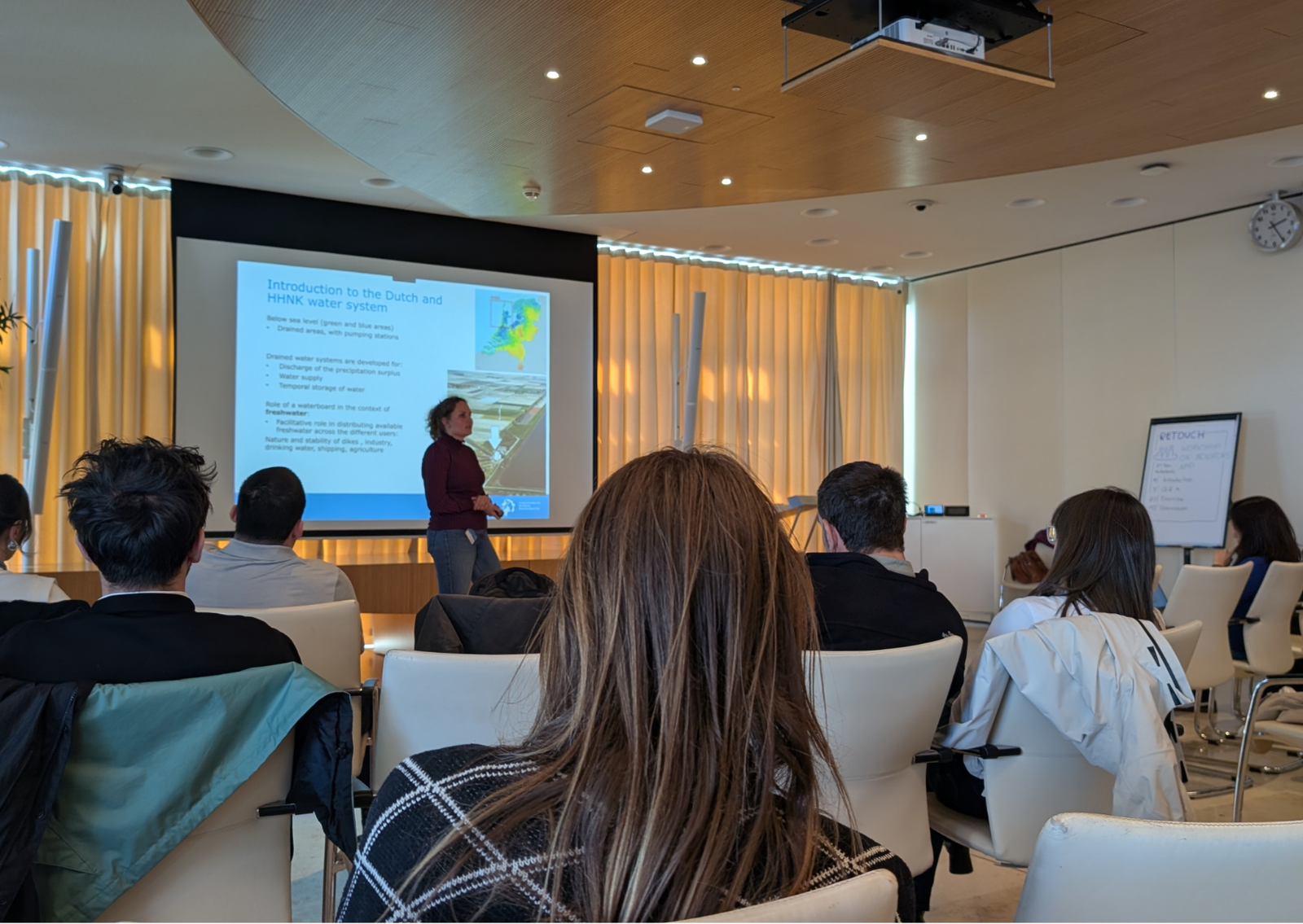
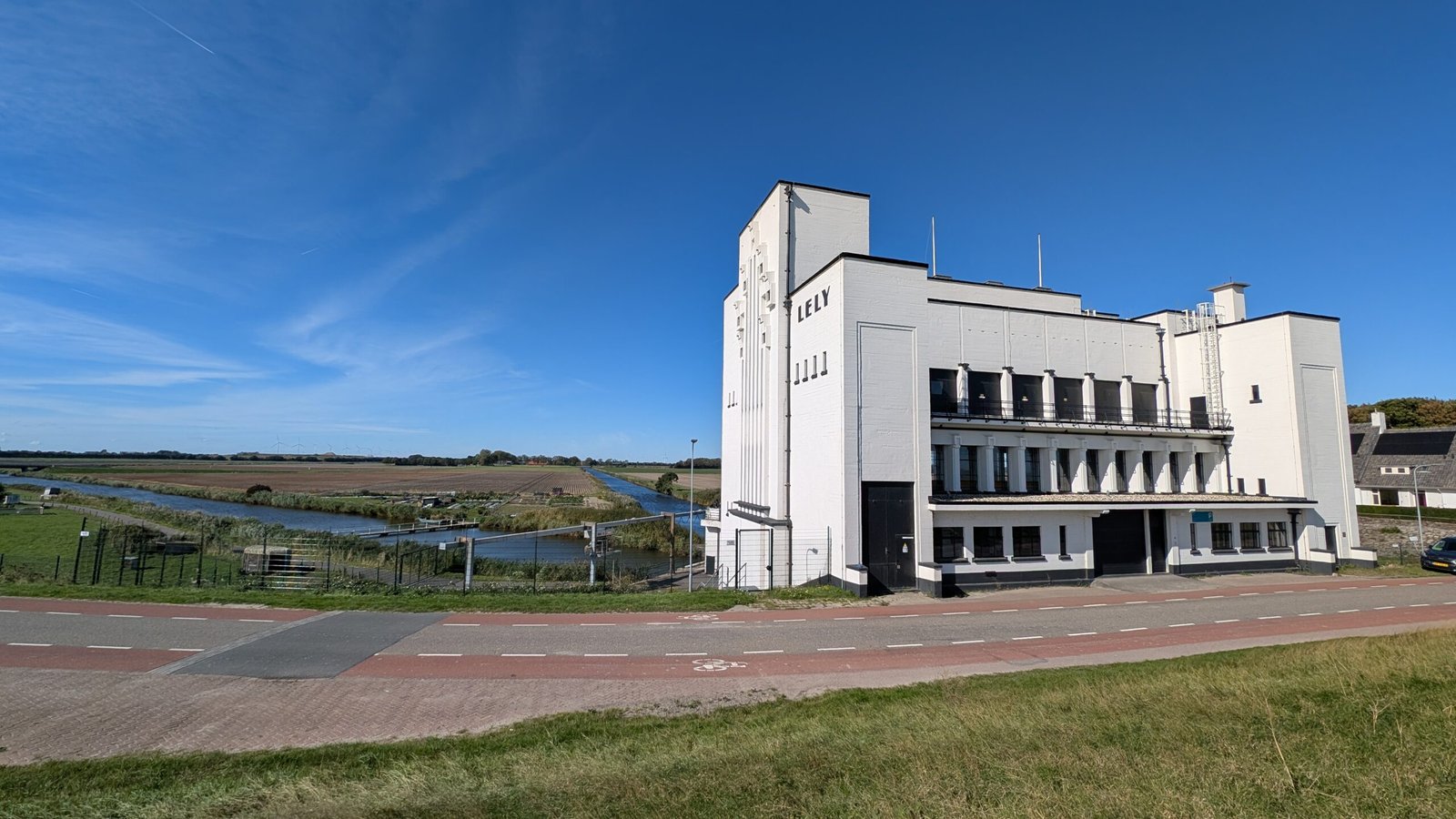
We visited the historic Lely Pumping Station at Wieringer Lake, where HHNK presented the evolution of Dutch water management – showing how centuries of expertise adapt to modern climate challenges.
Joint Indicator Workshop
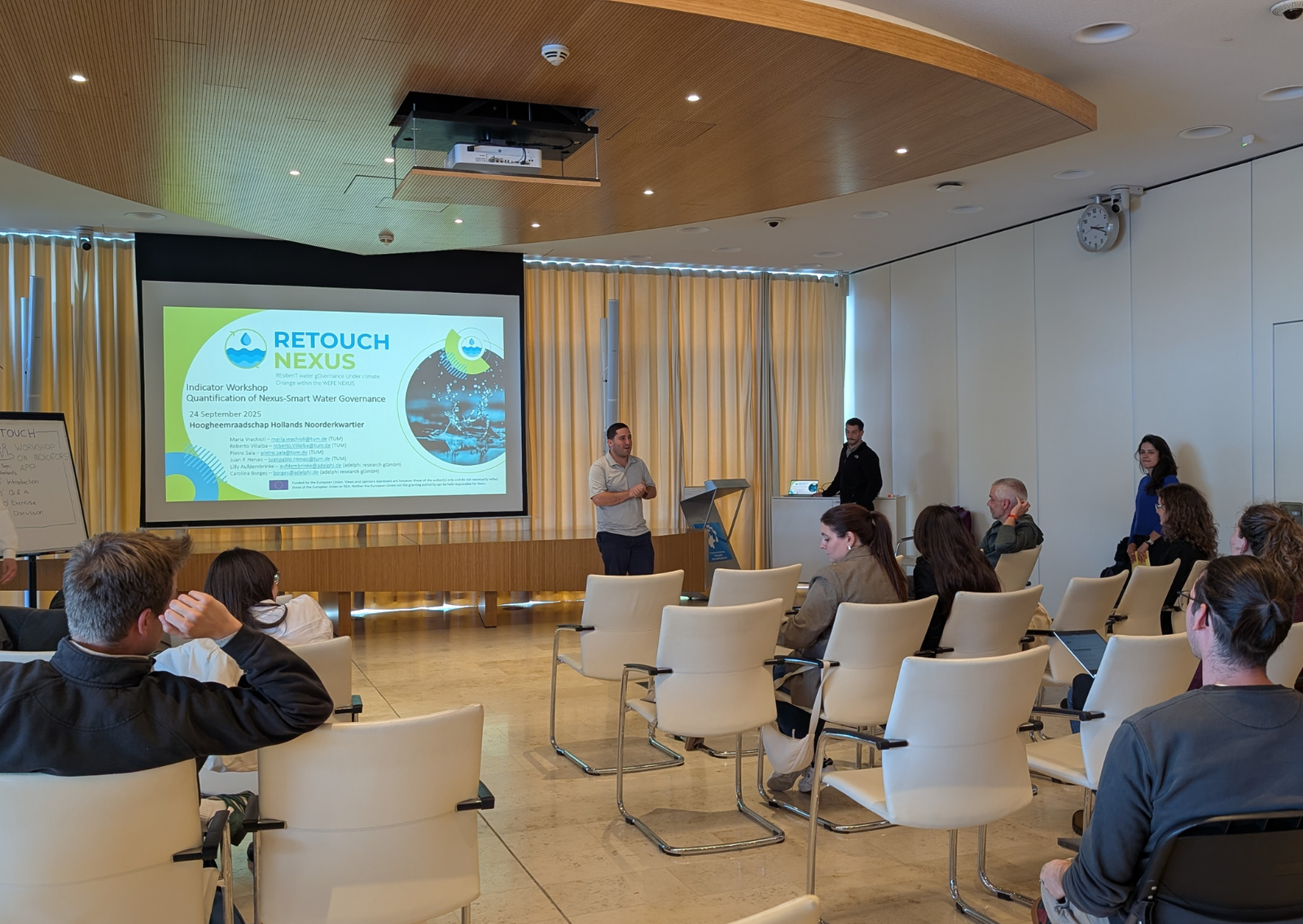
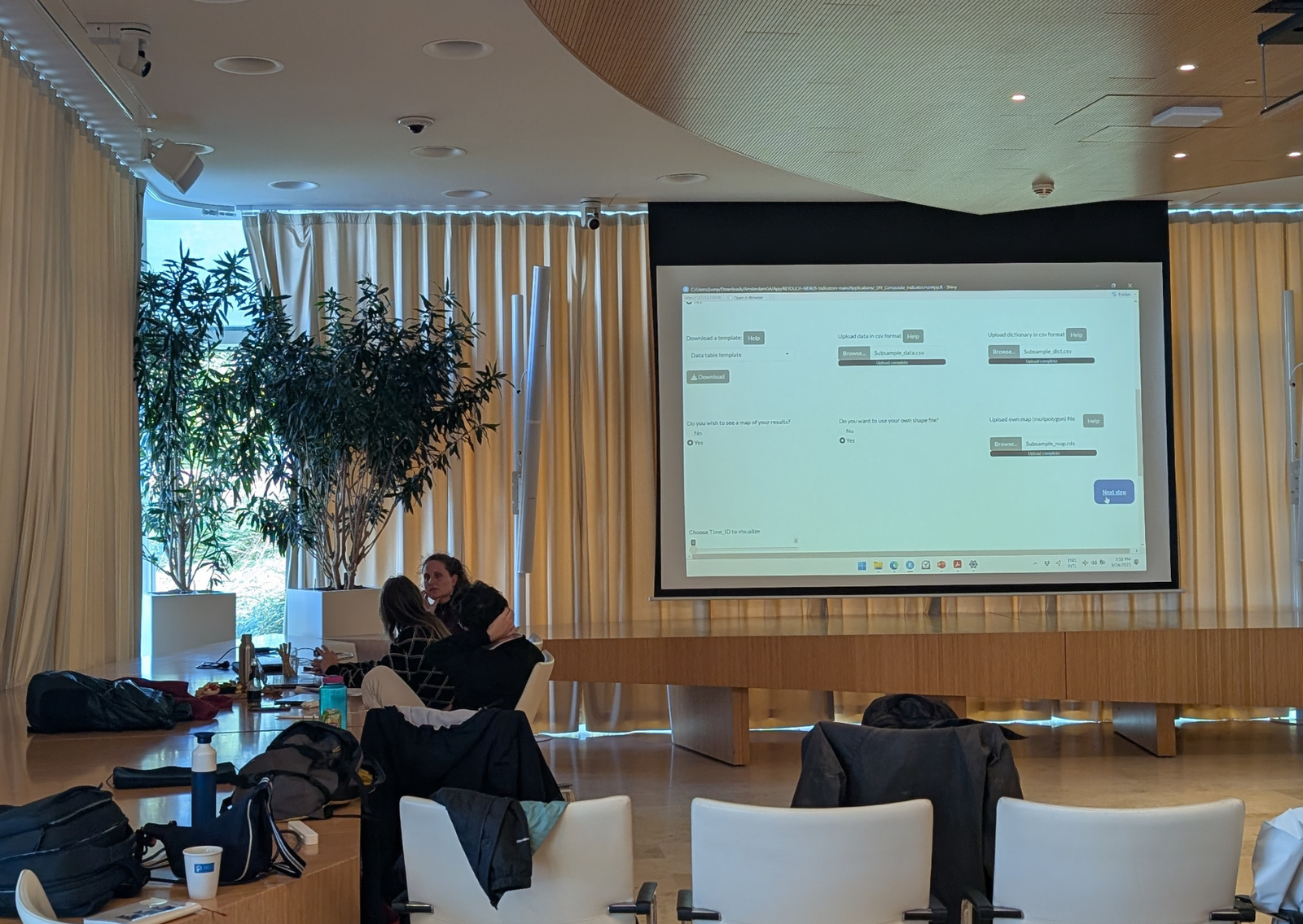
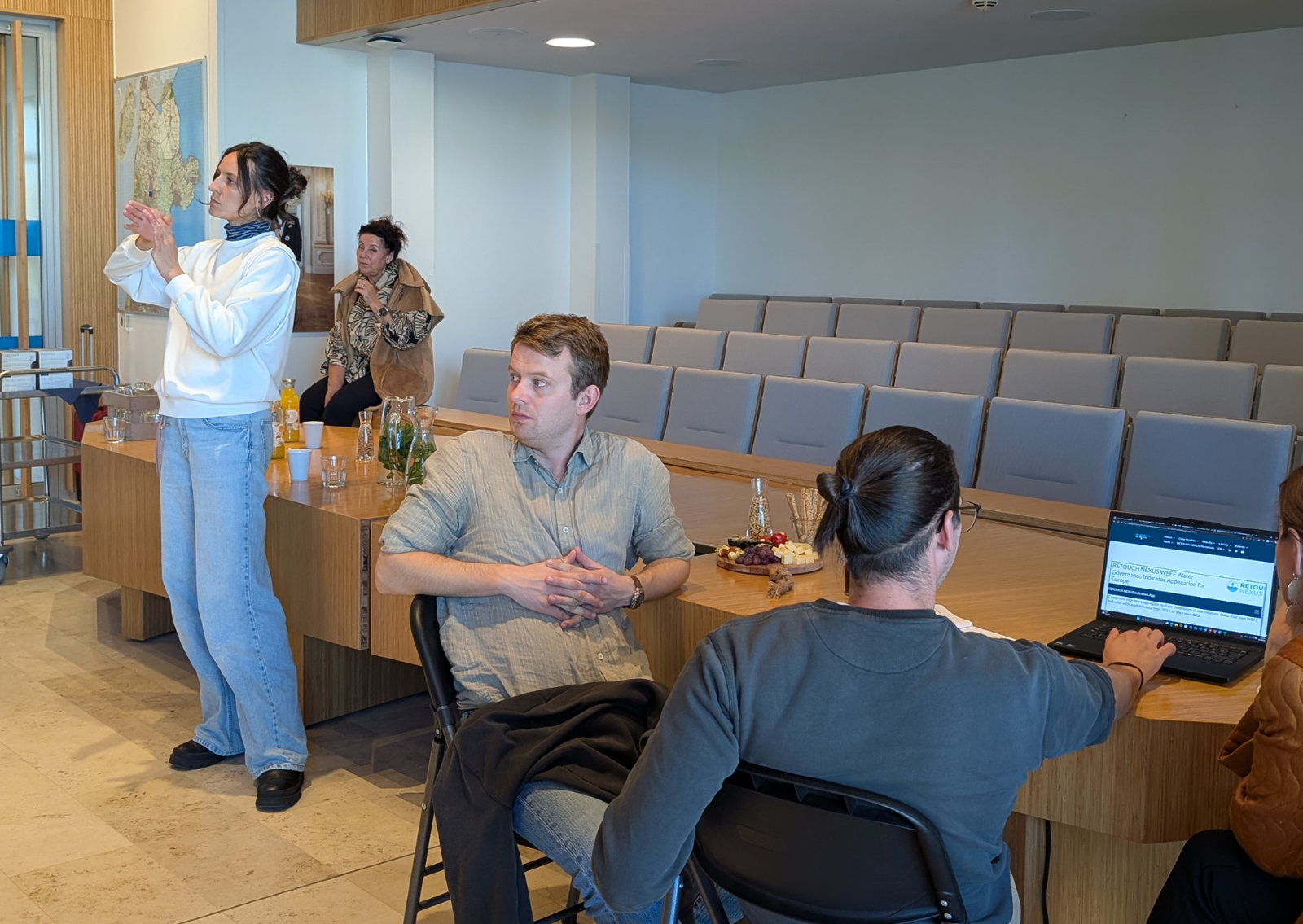
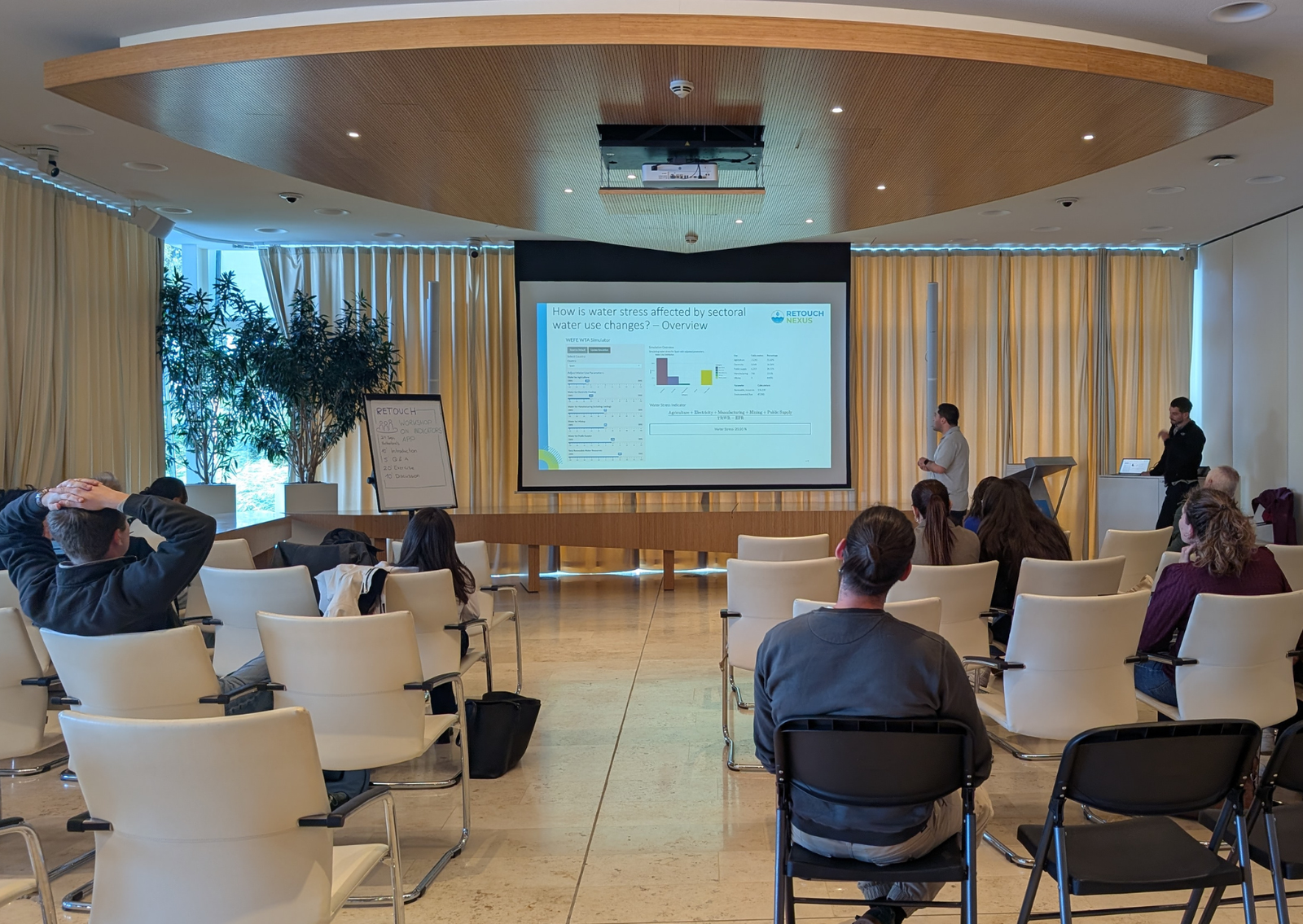
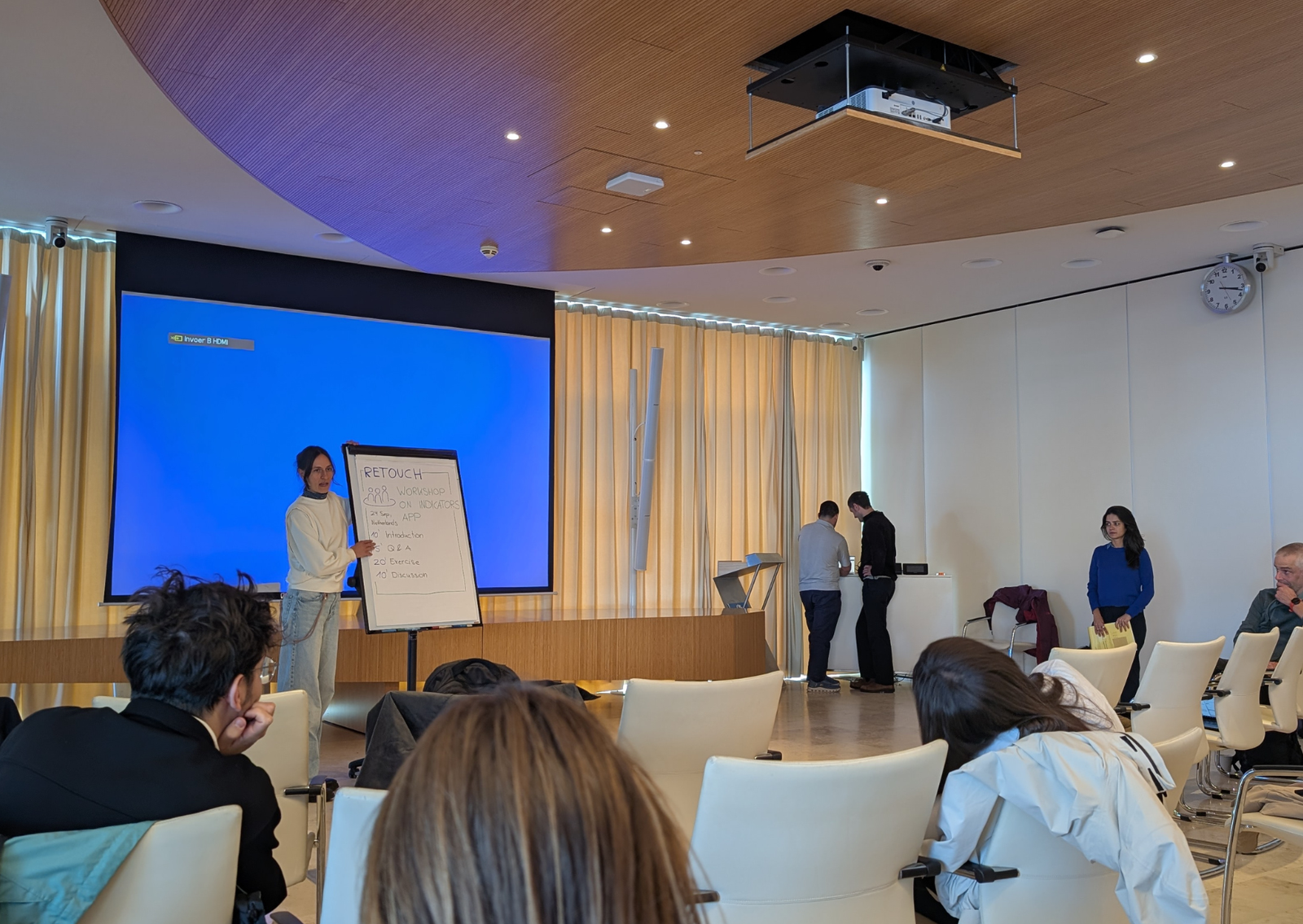
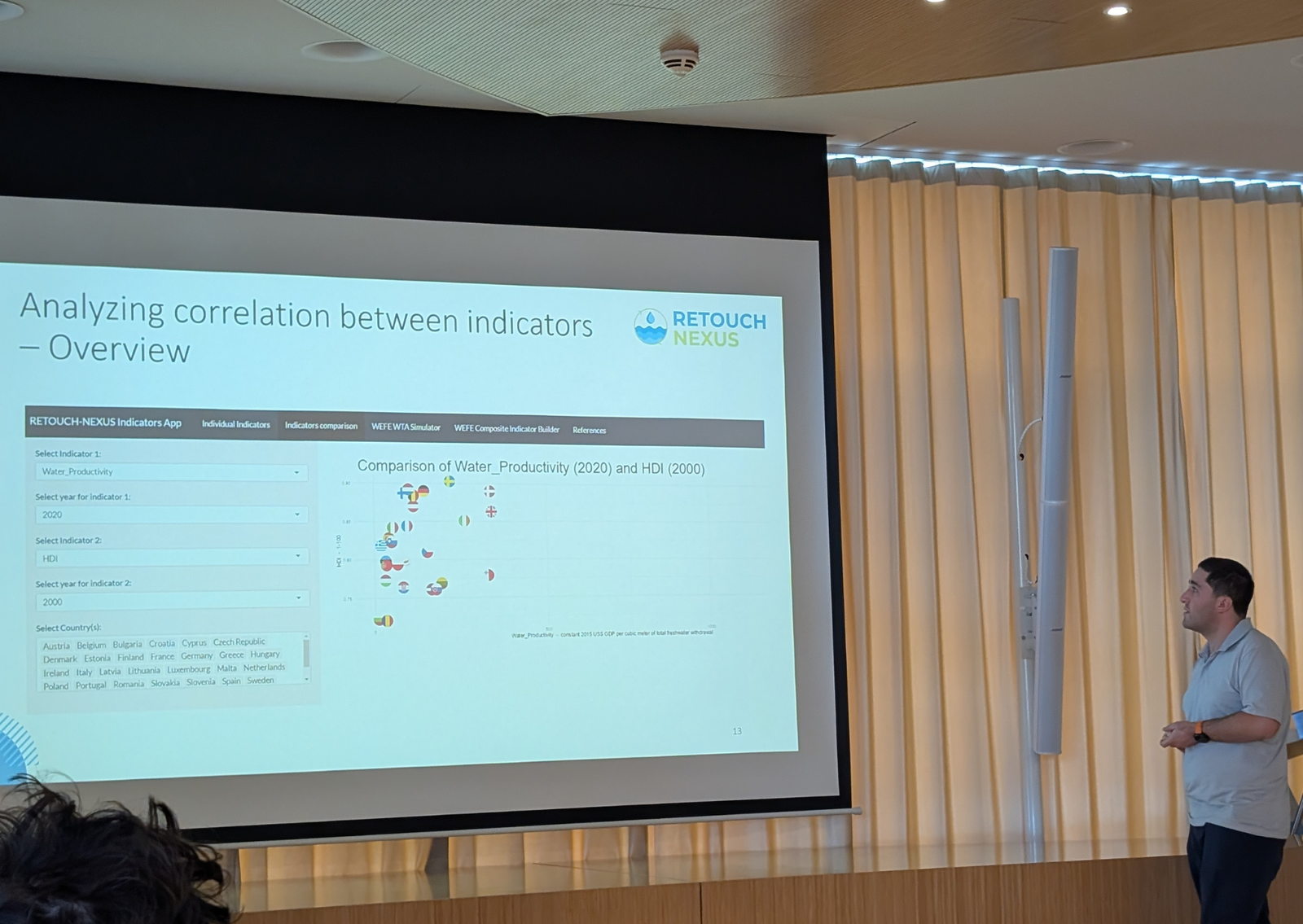
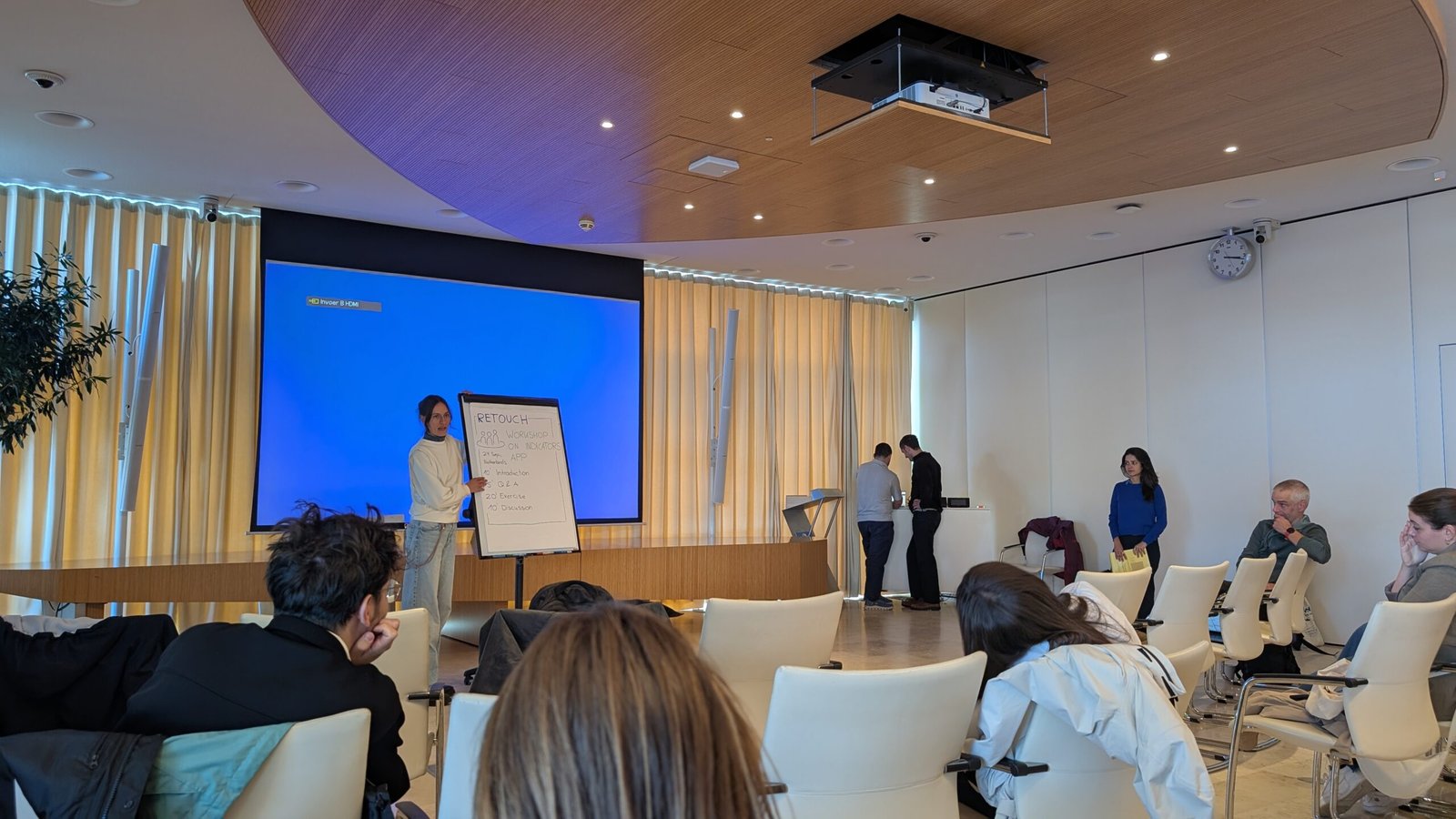
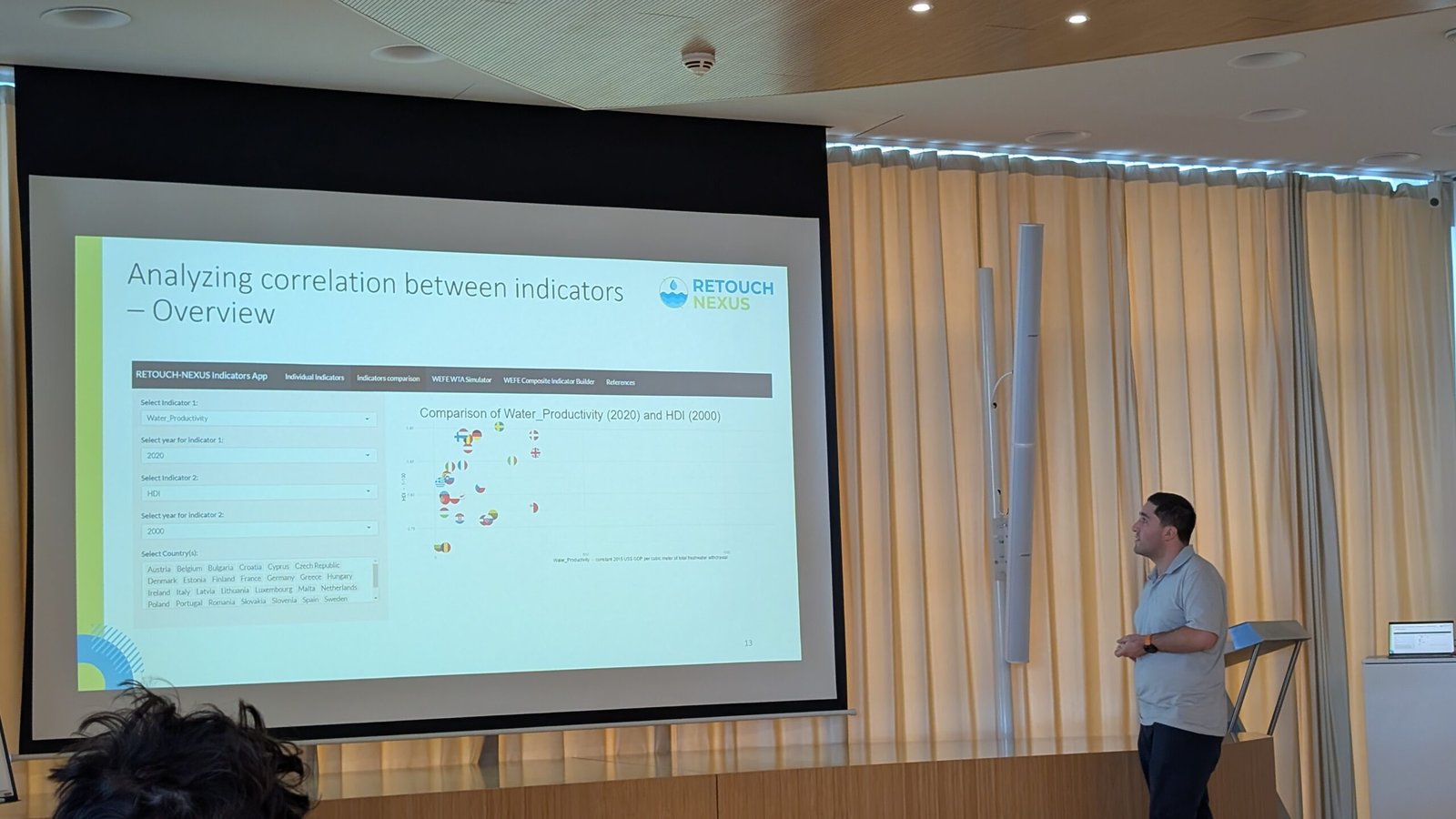
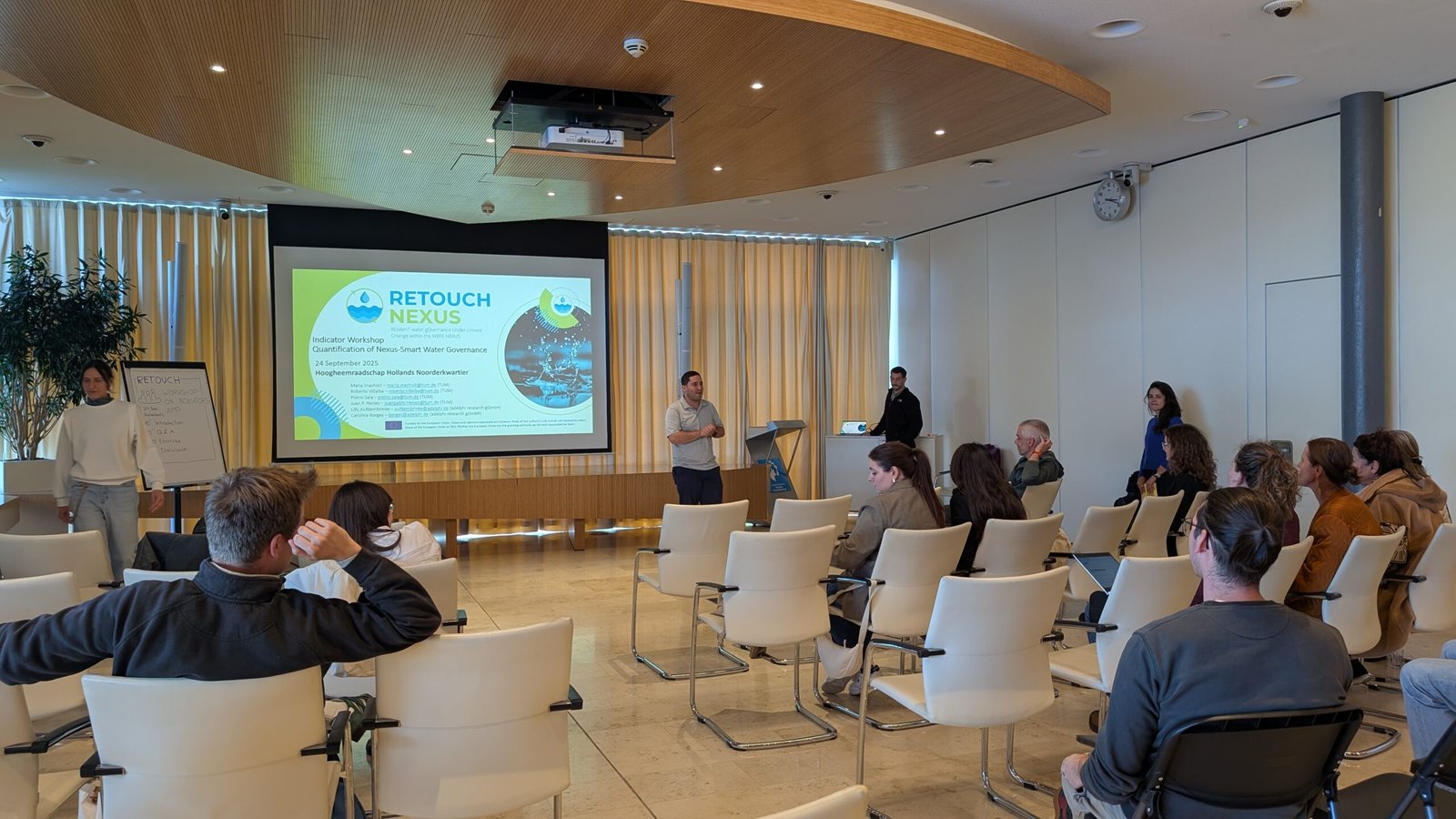
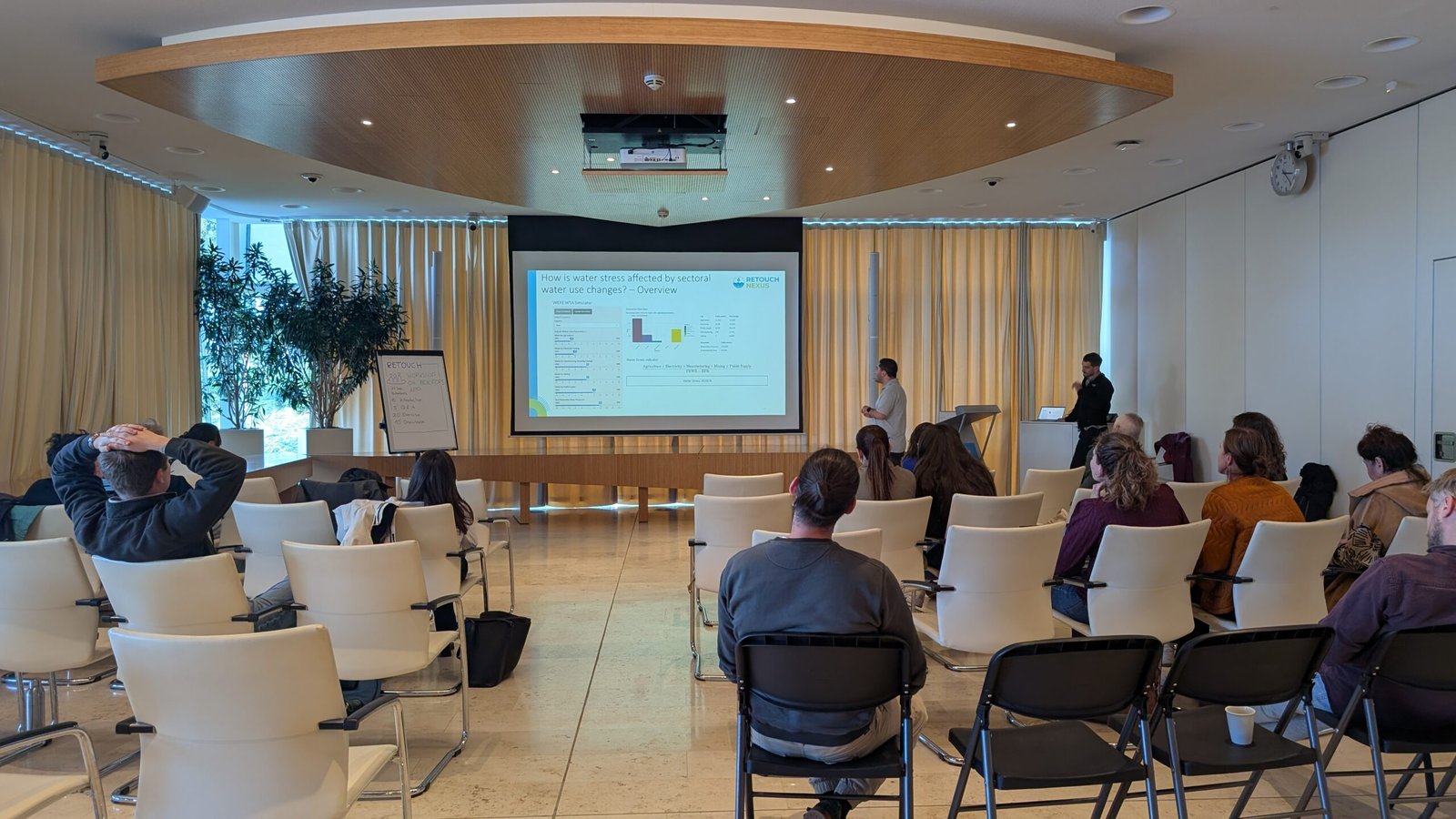
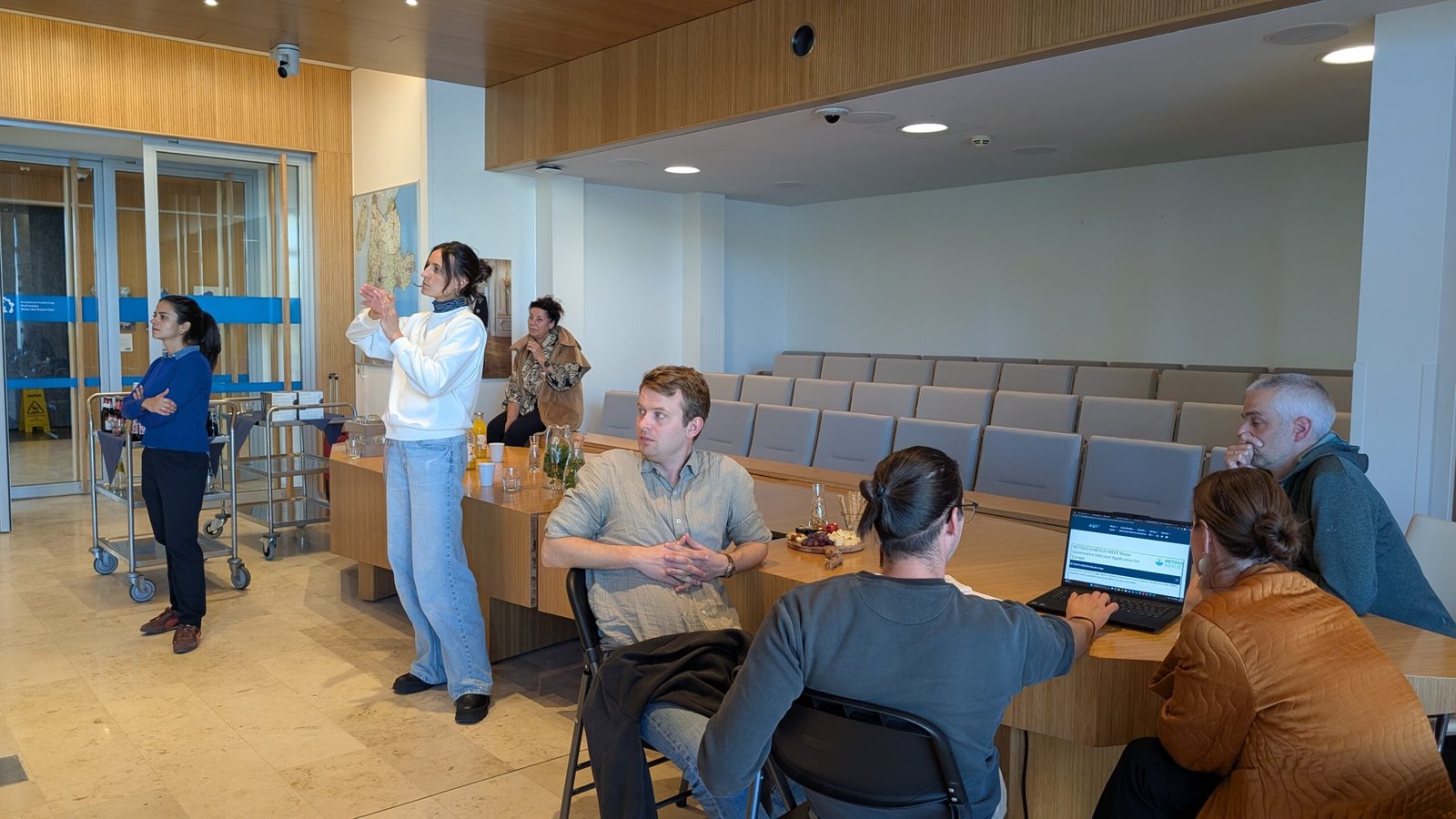
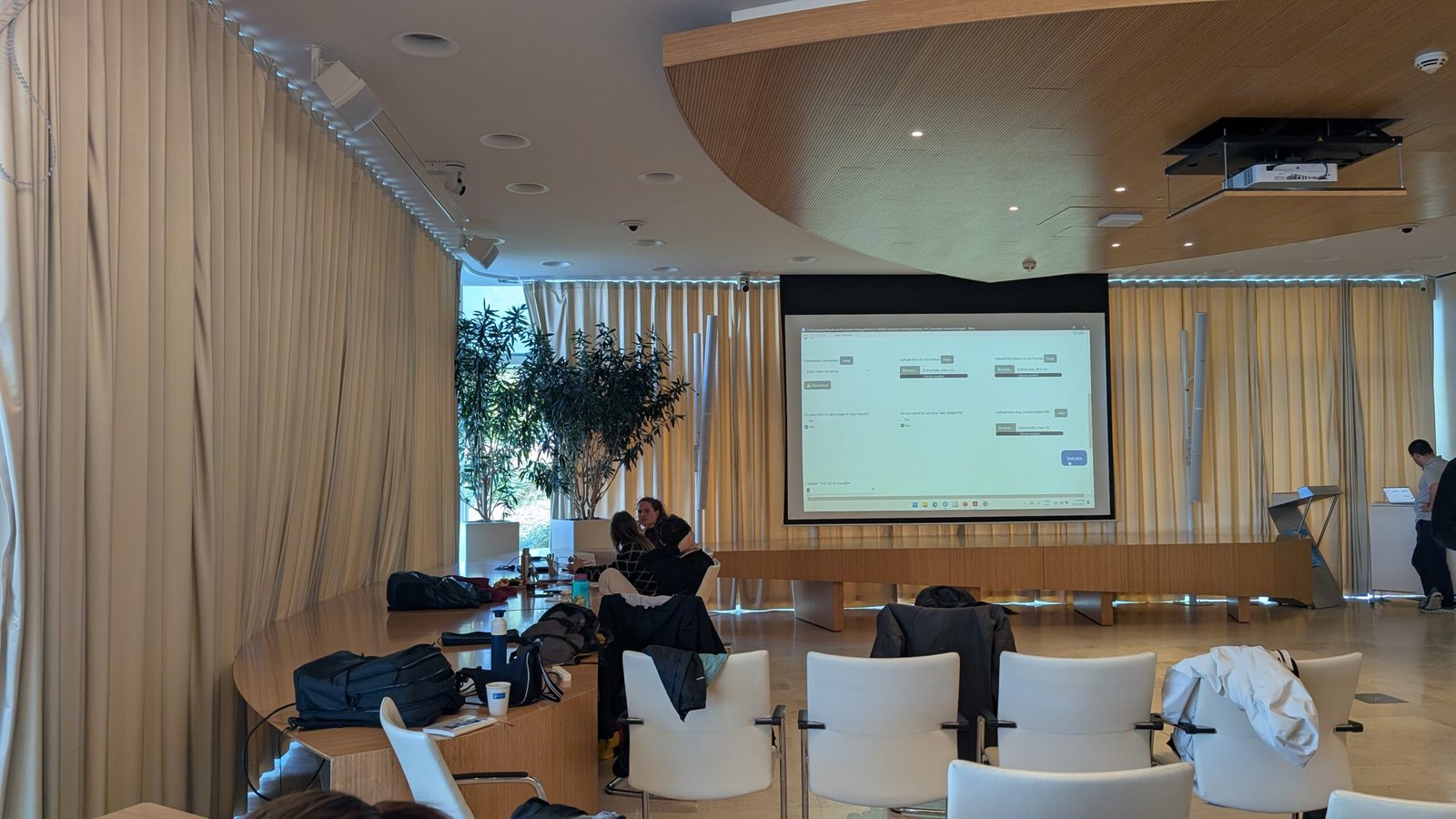
At HHNK’s Heerhugowaard office, we engaged directly with their Freshwater Availability Programme through a hands-on indicator workshop led by adelphi and TUM. This demonstrated how RETOUCH NEXUS methodologies can directly support water authority decision-making processes.
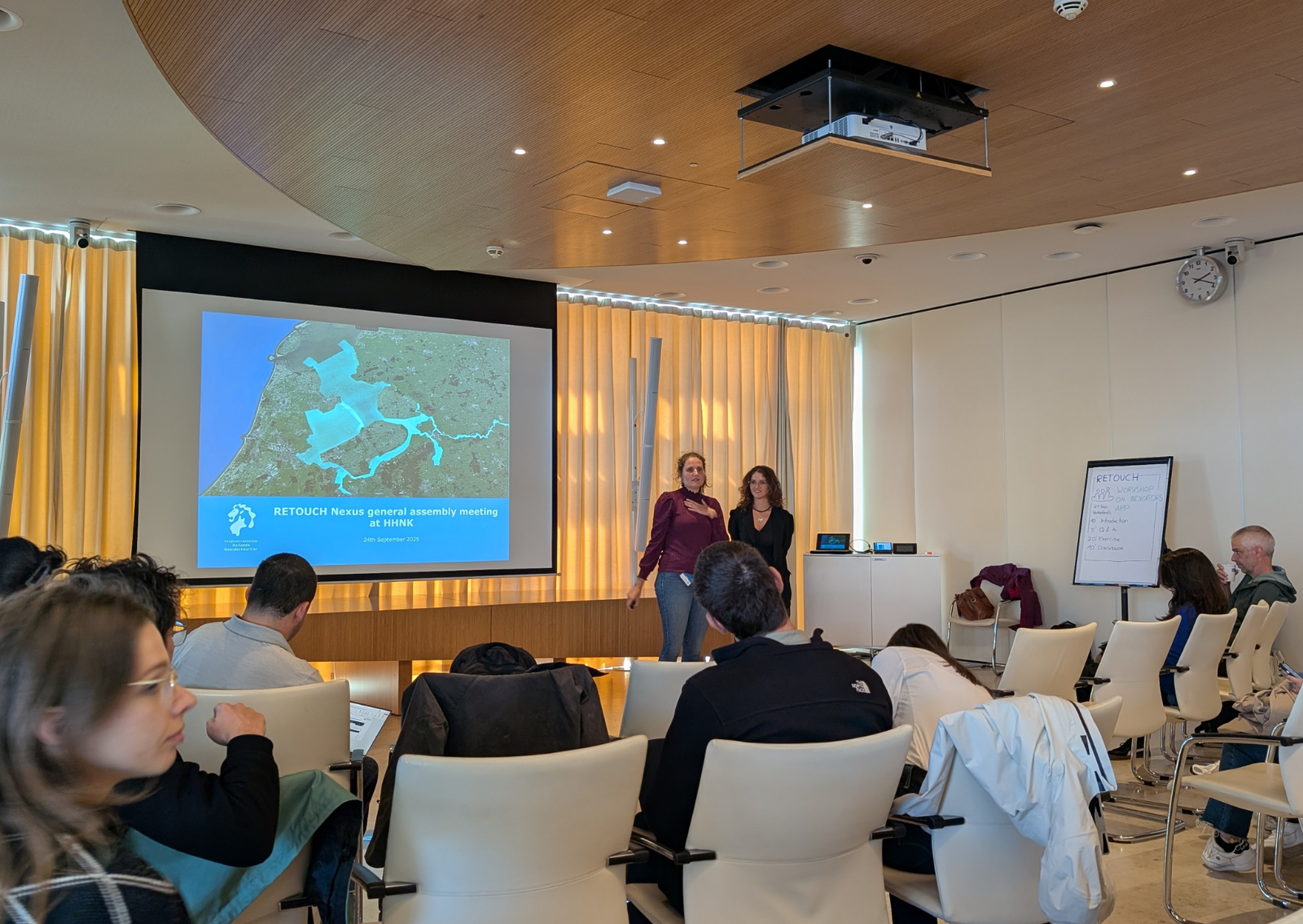
Stepping Forward: Building Momentum for 2026
The Amsterdam meeting reinforced our project’s evolution toward integrated approaches. Key takeaways include the importance of addressing all WEFE Nexus pillars comprehensively, keeping approaches simple and implementable, and ensuring genuine stakeholder engagement.
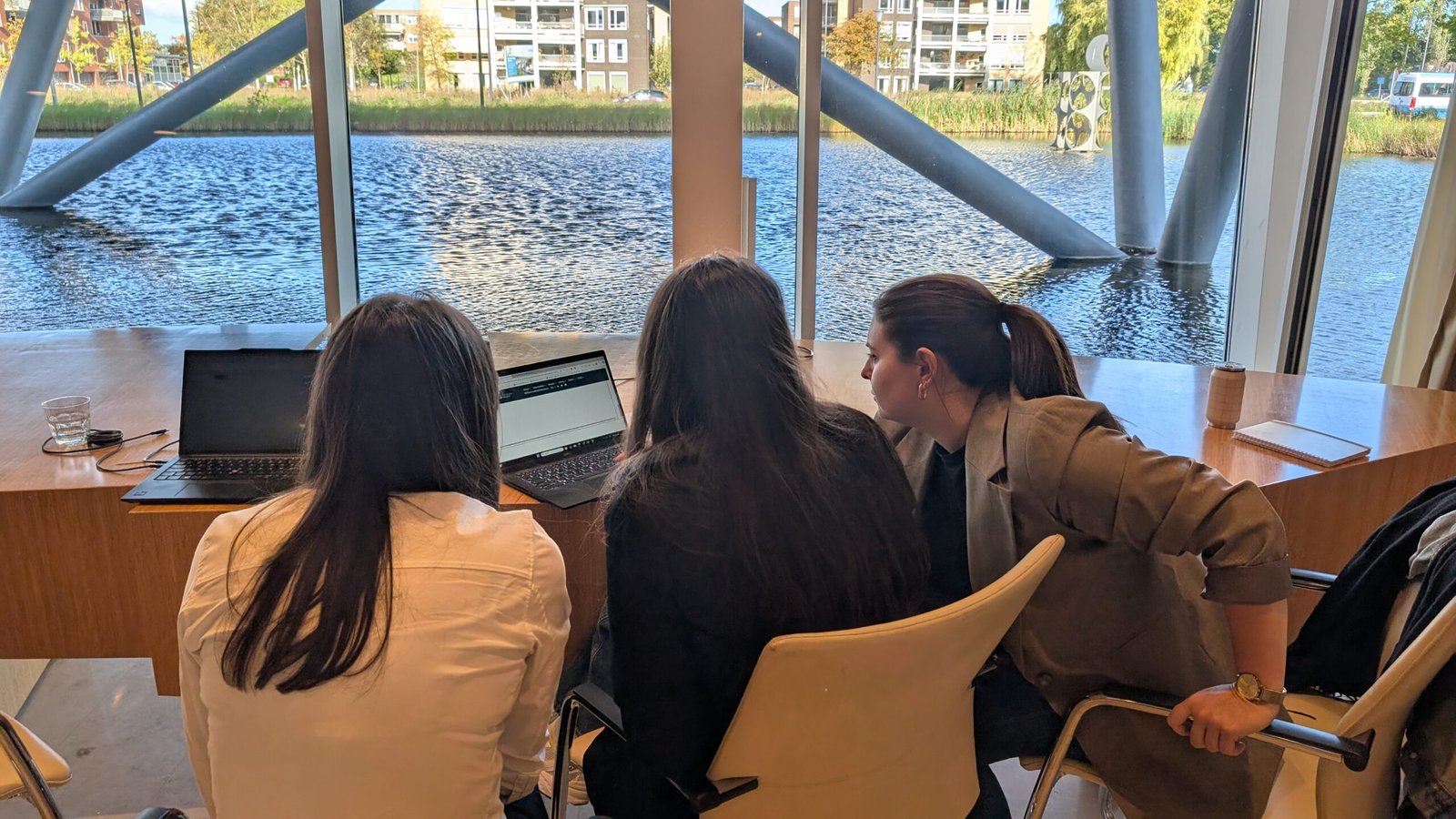
Reliving the moment: highlights from the Meeting!
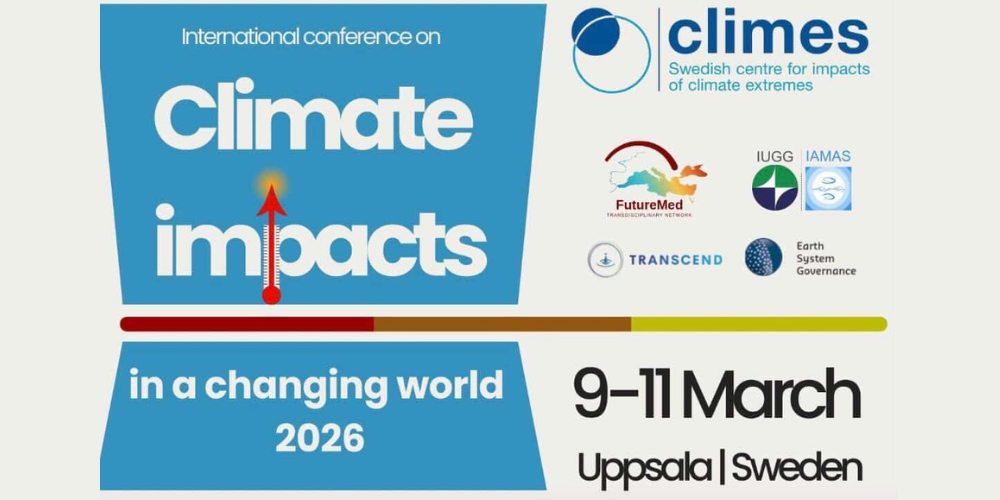
Pricing Water to Protect Nature: Our Partner Safa Baccour Presents at the International Conference on Climate Impacts in a Changing World 2026
We are proud to highlight the participation of our partner Safa Baccour from the Universitat Politècnica de València (UPV) at…
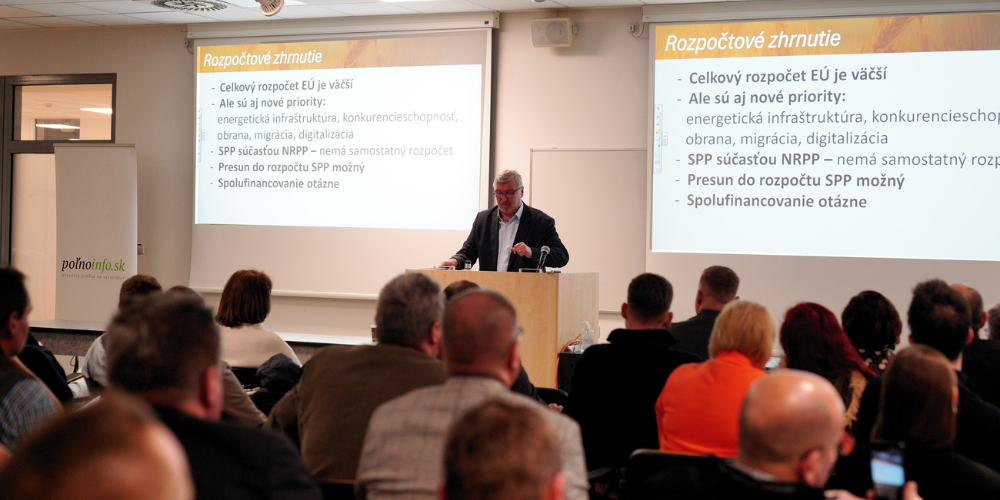
Experts Convene to Shape Slovakia’s Agricultural Future: Workshop on New EU CAP 2028–2034
Over 200 stakeholders gathered at the Slovak University of Agriculture in Nitra on February 5, 2026, for a landmark workshop…
New Policy Brief: What “Nexus”? Towards Resource Nexus Standardization
Defining and Standardizing the Resource Nexus Despite growing recognition in academic and policy circles, the "Nexus" concept has long suffered…
Building Resilience: Economic Instruments for Sustainable River Basin Management
Online – February 26, 2026 On 26 February 2026, the RETOUCH NEXUS project took part in the webinar "Economic Instruments for Resilient River Basin Management," organised as part of the…
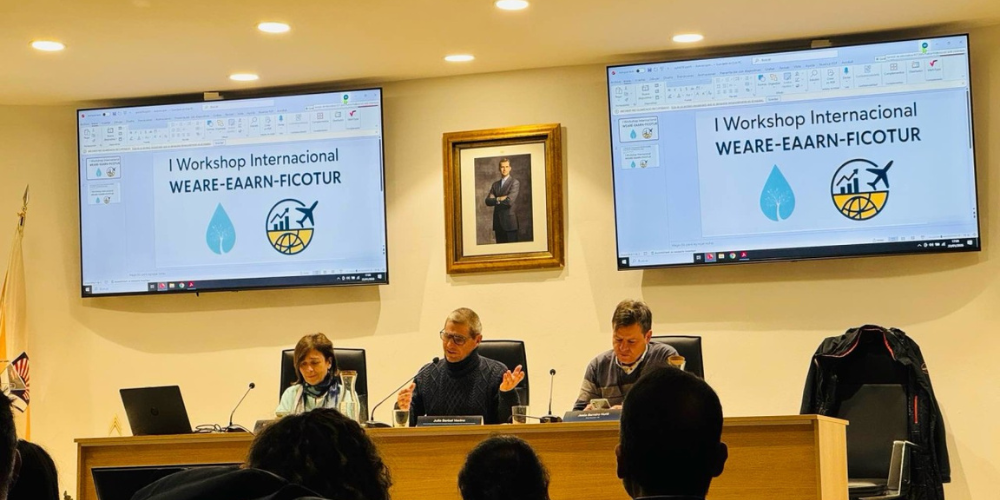
RETOUCH NEXUS Presented at the International Workshop WEARE-EAARN-FICOTUR in Córdoba
RETOUCH NEXUS was represented at the International Workshop WEARE-EAARN-FICOTUR: Establishing Networks, held on 22–23 January 2026 in Córdoba, Spain, within the session “Instruments and Policies…
Strengthening Europe’s Water Resilience: Three Projects Unite at Brussels Forum
Brussels, Belgium – December 4, 2025 RETOUCH NEXUS joins InnWater and GOVAQUA to present unified recommendations on economic dimensions of…

Check out the 5th RETOUCH NEXUS newsletter!
Are you passionate about sustainable water management and governance? 🌍💧 Subscribe to our newsletter and stay updated with the latest…
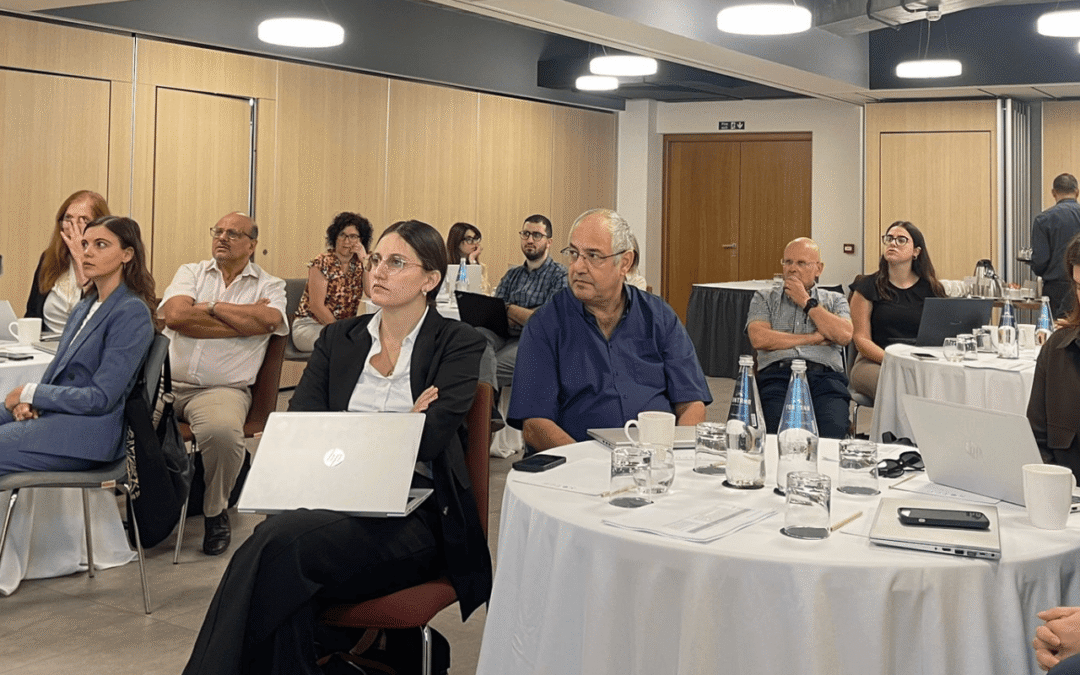
💧 Strengthening Stakeholder Engagement in Malta – RETOUCH NEXUS Workshop on the WEFE Nexus Ranking System
In October 2025, the Energy and Water Agency (EWA) hosted a new RETOUCH NEXUS Stakeholder Project Meeting in Malta, bringing…
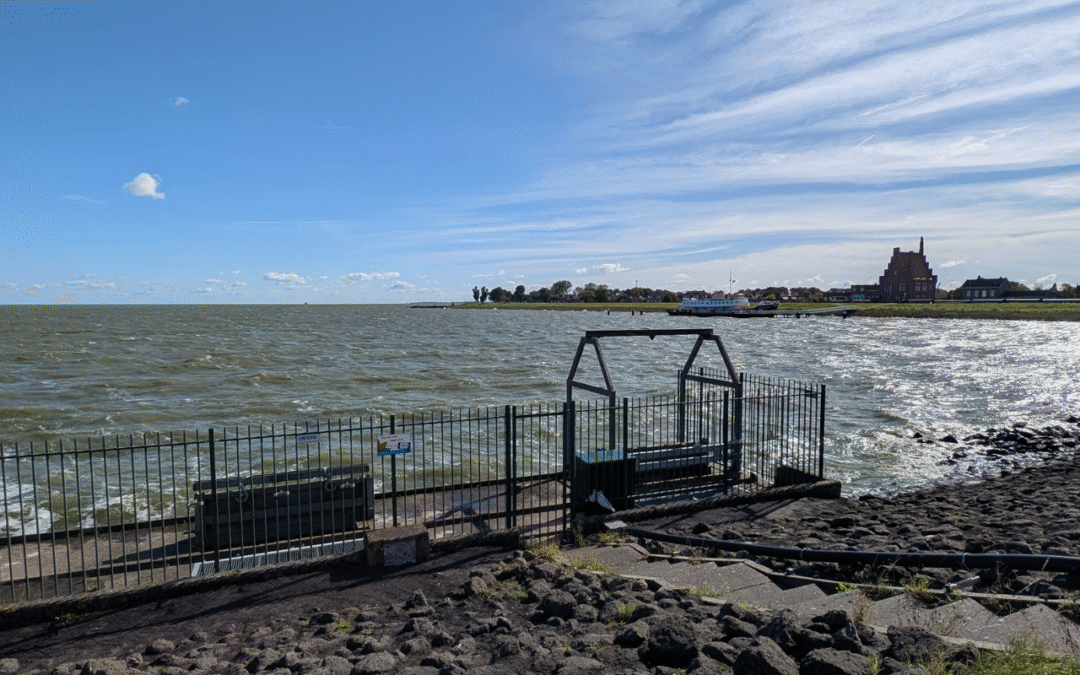
RETOUCH NEXUS 5th General Assembly – Moving Toward Performance
As we progress through the third year of the RETOUCH NEXUS project, our consortium gathered in Amsterdam on September 23-24…
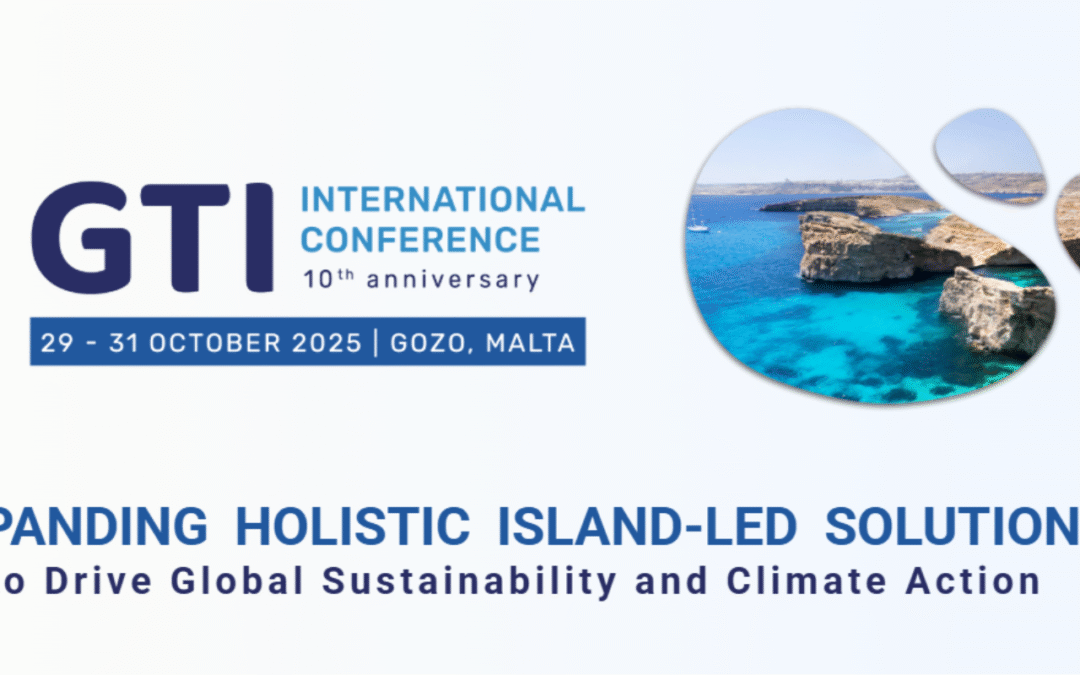
Join us at the 10th International Conference on Island Sustainability organized by the GTI Foundation
Gozo, Malta | October 29-31, 2025 Expanding Holistic Island-led Solutions to Drive Global Sustainability and Climate Action The RETOUCH NEXUS…