

Gobernanza integrada del agua en la cuenca del río Júcar: convertir la escasez en resiliencia
La cuenca del río Júcar, principal fuente de agua de Valencia, se enfrenta a una situación crítica debido al aumento de las sequías frecuentes, la escasez de agua y el uso excesivo de las aguas subterráneas como consecuencia del cambio climático. Las tensiones políticas entre Castilla-La Mancha y Valencia añaden complejidad a un panorama de gobernanza ya fragmentado, en el que los rígidos marcos legales y la débil coordinación intersectorial limitan las respuestas eficaces. Este nuevo informe de políticas de RETOUCH NEXUS propone un cambio transformador hacia una gobernanza integrada del nexo agua-energía-alimentos-ecosistemas (WEFE) que equilibre el uso del agua con la producción de energía, la agricultura y las necesidades medioambientales, al tiempo que involucra a partes interesadas más allá de los actores tradicionales del sector del agua.
Mensajes clave
1
La gobernanza fragmentada socava la sostenibilidad: Los enfoques actuales, centrados en el agua y con una participación limitada de los pequeños agricultores y las ONG medioambientales, crean lagunas de coordinación y pierden oportunidades de sinergias entre la gestión del agua, la energía, los alimentos y los ecosistemas.
2
La integración del nexo WEFE es esencial: Pasar de la planificación sectorial a enfoques integrados que reconozcan explícitamente los vínculos y cuantifiquen las compensaciones permite adoptar estrategias más coherentes a escala de cuenca que optimizan los resultados en los cuatro elementos del nexo.
3
Los instrumentos económicos impulsan la eficiencia y la equidad: La fijación de precios del agua mediante tarifas volumétricas y escalonadas puede fomentar un uso eficiente, al tiempo que se mantiene la equidad mediante tarifas diferenciadas y subvenciones, y los ingresos se destinan a fondos de resiliencia para infraestructuras adaptables.
4
La participación inclusiva refuerza la legitimidad: La ampliación de las plataformas participativas para incluir a las partes interesadas infrarrepresentadas, en particular los pequeños agricultores y los defensores del medio ambiente, garantiza que la gobernanza refleje perspectivas diversas y fomente una distribución equitativa de los recursos.
5
La implementación progresiva genera capacidad: Una hoja de ruta por fases para el periodo 2025-2035 sienta las bases mediante la identificación de las partes interesadas y la realización de proyectos piloto, amplía los modelos exitosos al tiempo que integra herramientas económicas y, en última instancia, institucionaliza los enfoques de nexo en todos los procesos de planificación.

Pricing Water to Protect Nature: Our Partner Safa Baccour Presents at the International Conference on Climate Impacts in a Changing World 2026
We are proud to highlight the participation of our partner Safa Baccour from the Universitat…
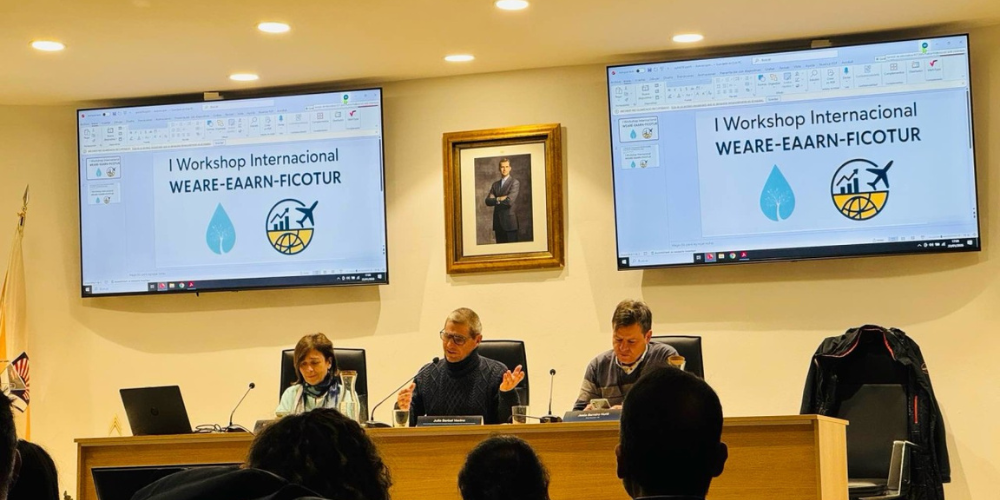
RETOUCH NEXUS Presented at the International Workshop WEARE-EAARN-FICOTUR in Córdoba
RETOUCH NEXUS was represented at the International Workshop WEARE-EAARN-FICOTUR: Establishing Networks, held on 22–23 January 2026 in Córdoba, Spain,…
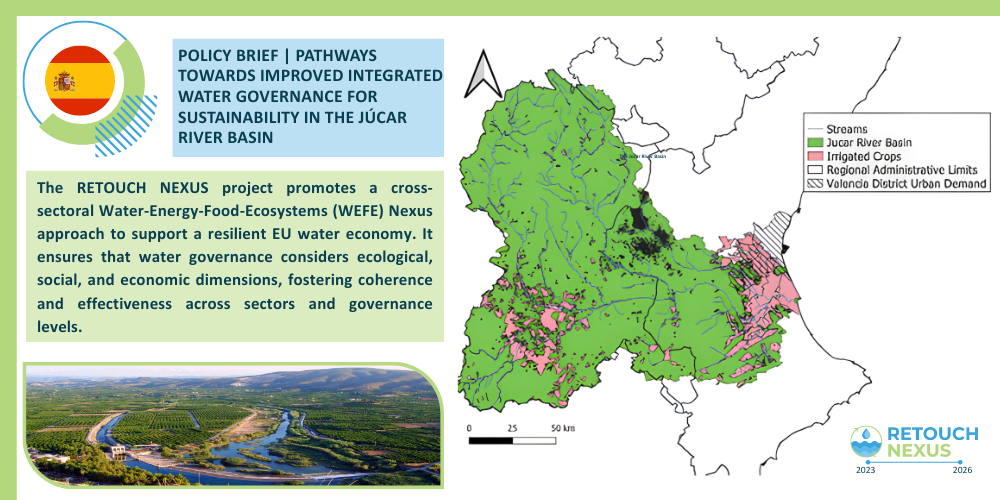
Nuevo informe de políticas: Caminos hacia una mejor gobernanza integrada del agua en la cuenca del río Júcar
Integrated Water Governance in the Júcar River Basin: Turning Scarcity into Resilience The Júcar River…
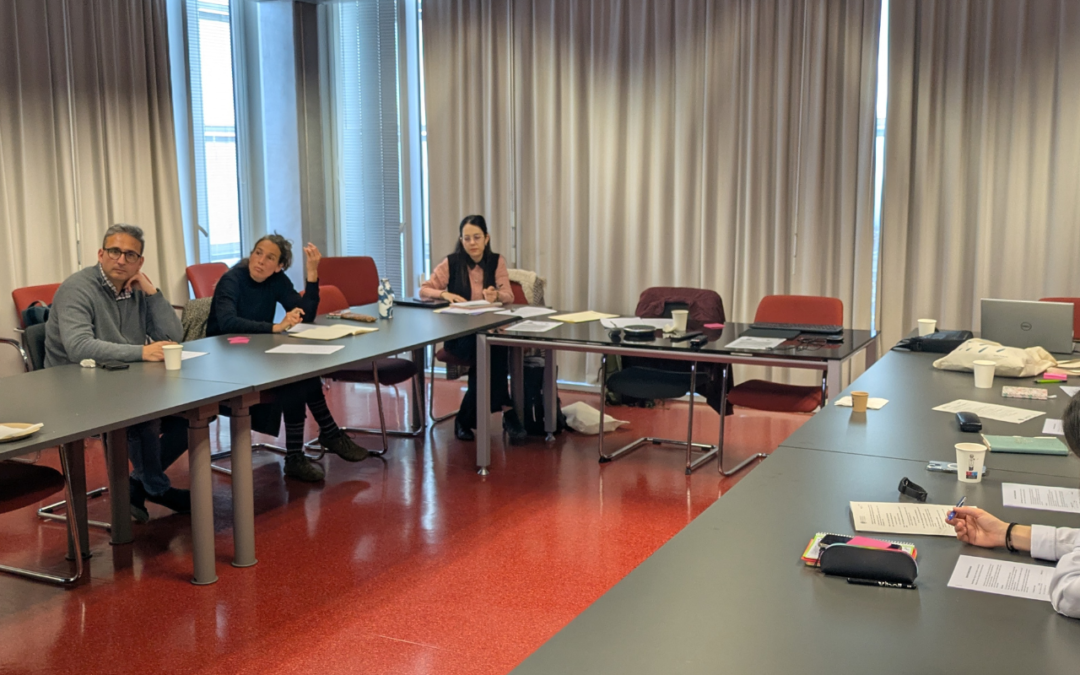
Valencia Hosts Key Workshop on Climate Change Adaptation in the Júcar River Basin
Experts, policymakers, and environmental stakeholders gathered on April 4th at the IIAMA-UPV headquarters in Valencia…
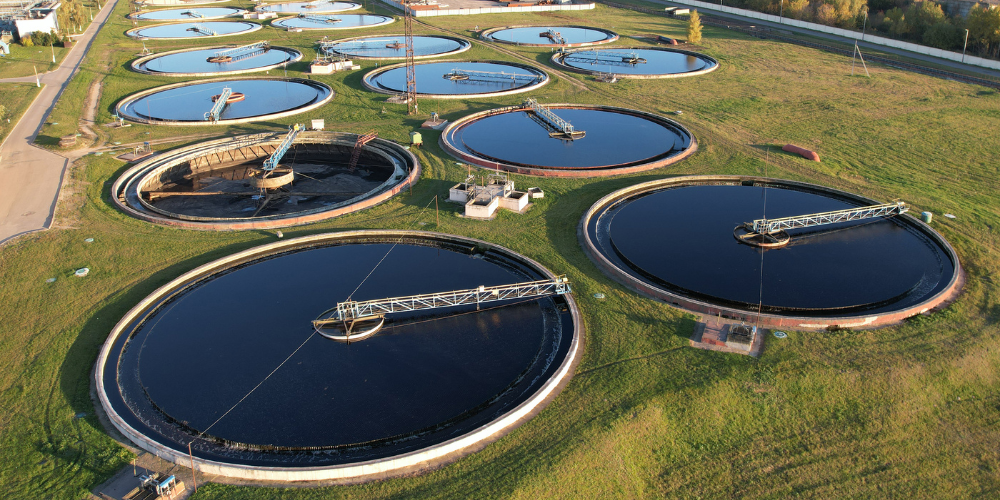
Establishing a baseline to characterise each RETOUCH NEXUS case study
Last September, our project completed two tasks aimed at exploring water governance models, institutional frameworks…