
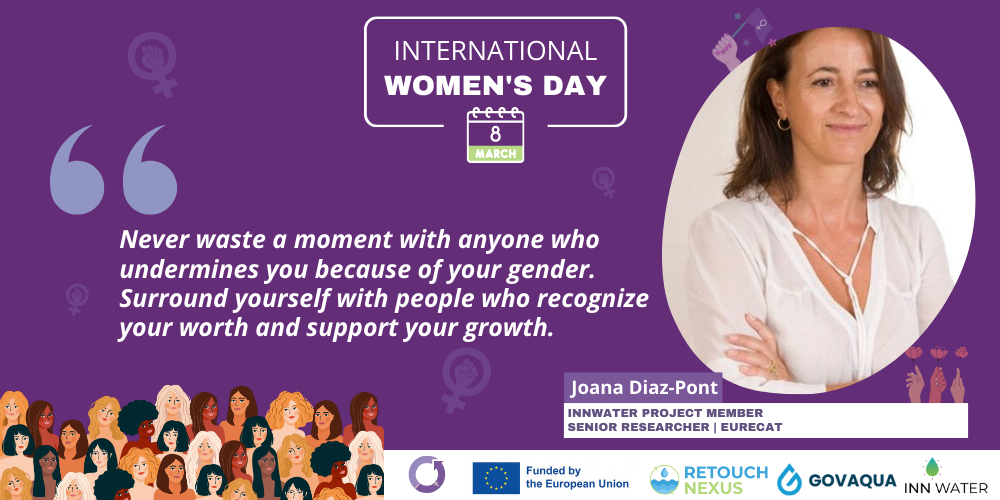
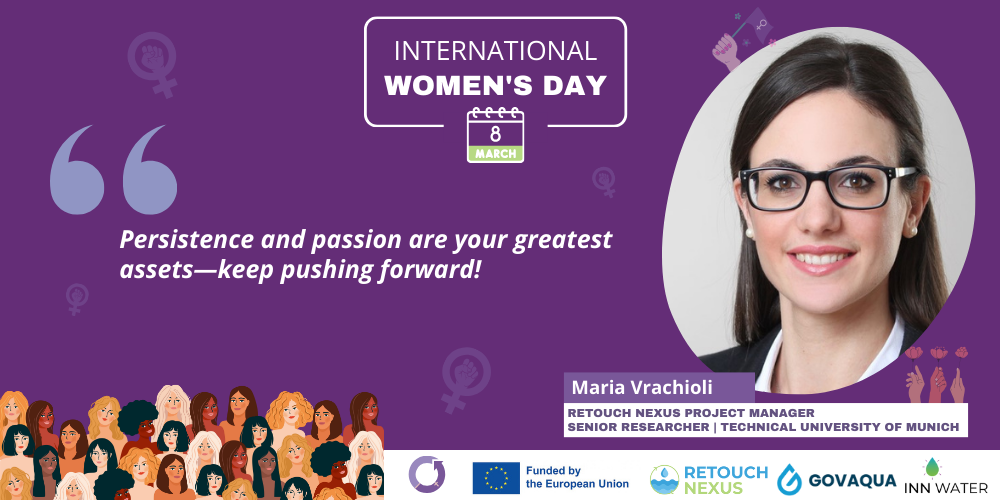
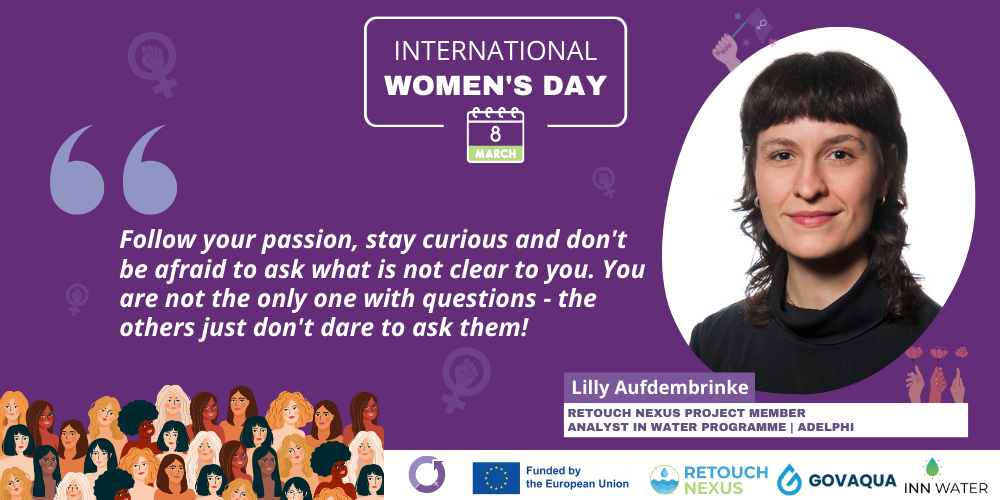
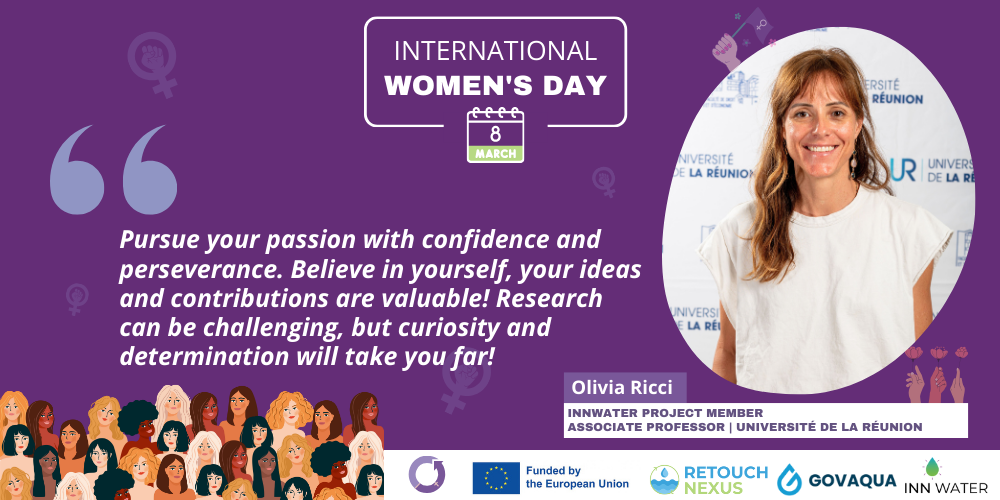
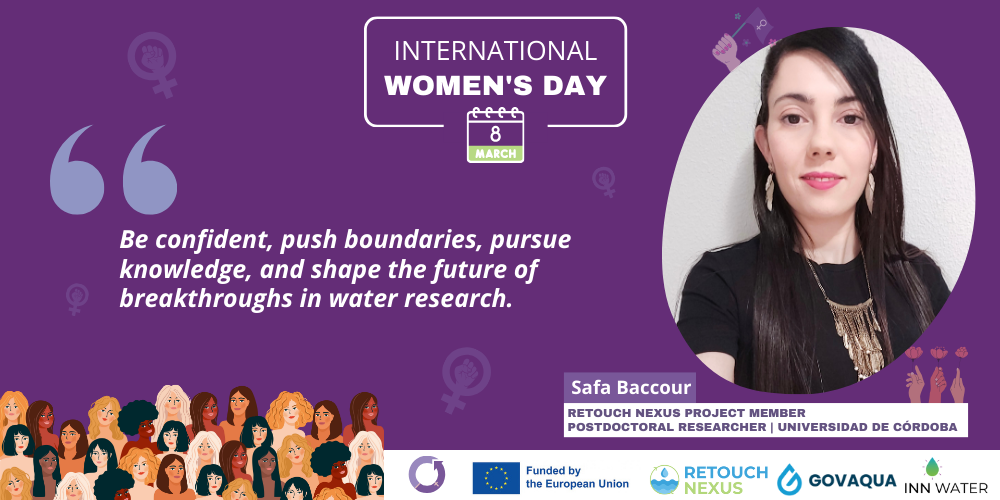
Together with our sister projects of the Water Governance 2027 Synergy Group, GOVAQUA and InnWater, we are delighted to dedicate this article to our female researchers to promote their work and careers around the development of water governance approaches.
These innovative approaches take into account the interdependencies between the UN Sustainable Development Goals (SDGs) and the design of coherent water governance practices and policies at different levels and in different sectors.
As part of InnWater, we interviewed Ms Joana Diaz-Pont, Senior Researcher at EURECAT.
Career and challenges
Q.: Could you share your journey to becoming a researcher? What inspired you to pursue this path, what challenges have you faced as a woman in your field, and what is the most valuable lesson you’ve learned from these experiences?
Ms Diaz-Pont: My journey began with curiosity. As a child, I would ask my teachers endless questions about matter, water, and air. This curiosity led me to study chemistry and take my first steps as a junior researcher in environmental sciences. Over time, my interests expanded to the social sciences, as I sought to understand the human role in environmental issues. I went on to complete a PhD in sociology and have worked in the field ever since. Having navigated both natural and social sciences, I must admit that gender was never a challenge in my career. Instead, I faced obstacles related to age, particularly as a young researcher, and later, biases against my field—social sciences often dismissed as “soft”—as well as cultural prejudices from Anglophone researchers who undermined Southern European studies. Looking back, I believe transitioning between the end of second-wave feminism and the beginning of the third wave was advantageous in terms of rights and empowerment. Or perhaps I was simply fortunate to work with colleagues and friends who never made me feel that my gender was an obstacle. If there’s one lesson I’ve learned, it’s this: never waste a moment with anyone who challenges your worth based on gender.
Role in the project
Q.: What do you do within the InnWater project? How have your studies and expertise enabled you to fulfil this role?
Ms Diaz-Pont: My contribution in InnWater is related to citizen engagement in water governance. My background in social sciences is very valuable to help me go beyond technical water issues that are key in water governance (scarcity, quality, management, etc.), but not enough to transit sustainability transitions.
Europe
Q.: At European level, do you think the research sector has become more open to women? What could be done to achieve greater equality between men and women in this field?
Ms Diaz-Pont: As I mentioned, I may not be the best example of someone who has faced gender challenges in the research sector. In fact, at times, being a woman felt like a discriminatory advantage. In my time, this was due to the historically low participation of young girls in STEM, which may have limited their interest in research or abstract thinking and provided some of us with more opportunities. I don’t have the numbers, but this trend is likely already changing. If not, promoting STEM among young girls could be a good strategy.
Q.: As an expert in sustainable water governance, what do you see as Europe’s greatest challenge in implementing sustainable water governance?
Ms Diaz-Pont: From my experience, I still see many difficulties when trying to engage citizens and, particularly, vulnerable groups. The methods and tools available are often inadequate when social structures and cultural contexts do not support meaningful participation.
Q.: Finally, what advice would you give to future generations of women who want to become researchers?
“The same advice I would give to future generations of men: Never waste a moment with anyone who undermines you because of your gender. Surround yourself with people who recognize your worth and support your growth.“
Joana Diaz-Pont
Read other interviews with the researchers:

RETOUCH NEXUS at World Water Week 2026: Advancing Innovative Water Governance
Stockholm, Sweden – 23-27 August 2026 RETOUCH NEXUS is proud have participated in the World Water Week 2026, the leading…
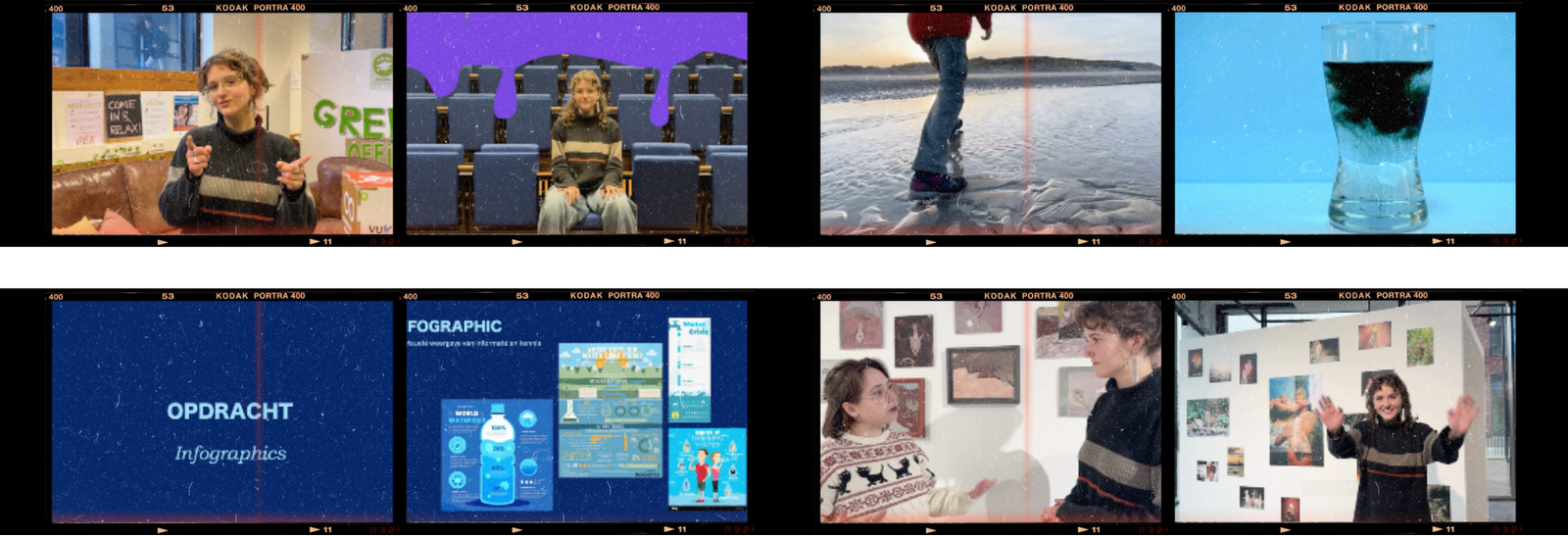
What Lives Beneath the Surface? Youth Voices on Interconnected Water Problems, Through Art and Media
A collaboration between X11 (Media, Design & Technology high school, Utrecht) and the Dutch case study of the RETOUCH project,…
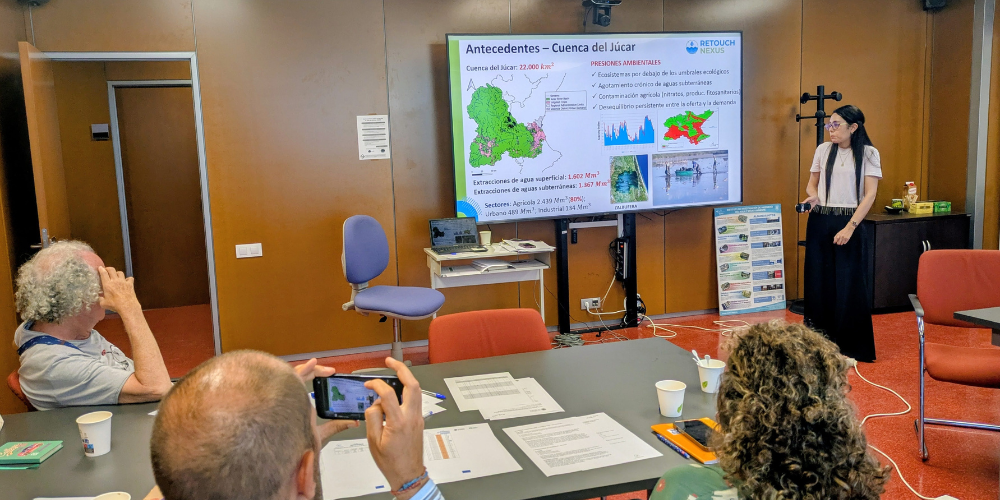
Validating Water Pricing Policies in the Júcar Basin: Highlights from Our Spanish Workshop
On Friday, 12 June, the RETOUCH NEXUS team brought together researchers and stakeholders in Valencia for a hands-on workshop dedicated to the Júcar River Basin. Putting the Hydroeconomic Model to the…
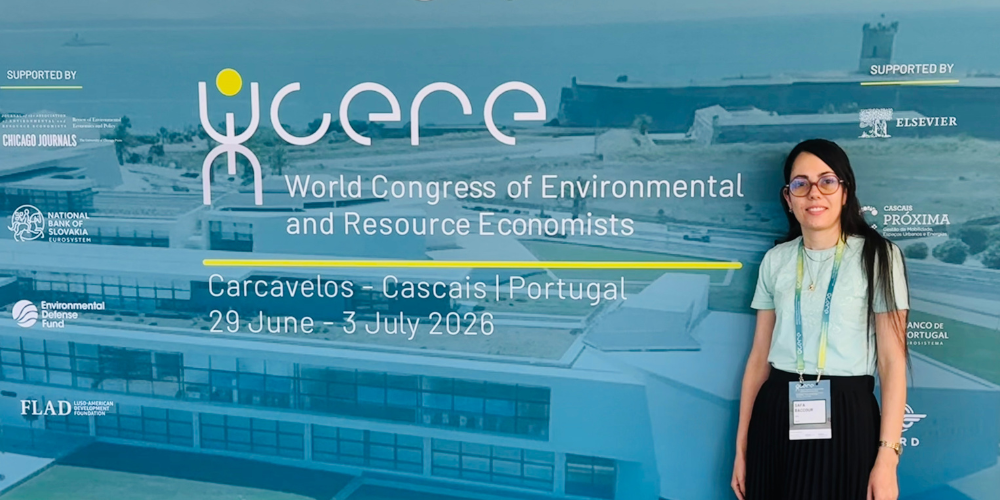
How Should Water Be Priced Under Climate Scarcity? RETOUCH NEXUS at WCERE 2026
RETOUCH NEXUS was represented at the 7th World Congress of Environmental and Resource Economists (WCERE 2026), held from 29 June…
Empowering Women in Water Governance: Join WE-ACT Free Webinar on 22 June
Water security and gender equality are two of the defining challenges of our time, and they are more connected than…
How Should Water Be Priced in a Changing Climate? Safa Baccour Presents New Findings at EGU 2026
Research from the IIAMA institute explores how uniform and dynamic water pricing strategies can reduce unsustainable withdrawals, protect ecosystems, and…
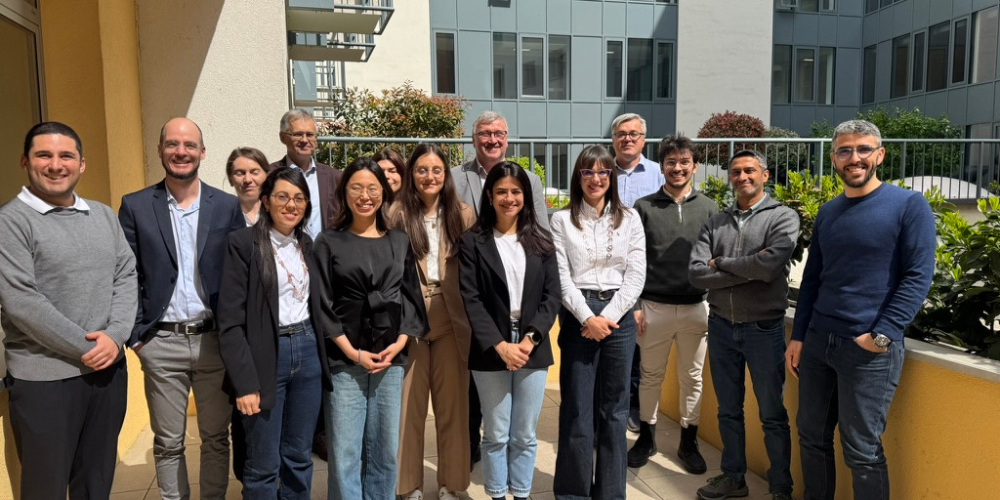
RETOUCH NEXUS 6th General Assembly – Aligning for the Final Stretch
As we enter the final phase of the RETOUCH NEXUS project, our consortium gathered in Bratislava on April 20–21, 2026…

Check out the 6th RETOUCH NEXUS newsletter!
Are you passionate about sustainable water management and governance? 🌍💧 Subscribe to our newsletter and stay updated with the latest…
Pricing Water to Protect Nature: Our Partner Safa Baccour Presents at the International Conference on Climate Impacts in a Changing World 2026
We are proud to highlight the participation of our partner Safa Baccour from the Universitat Politècnica de València (UPV) at…
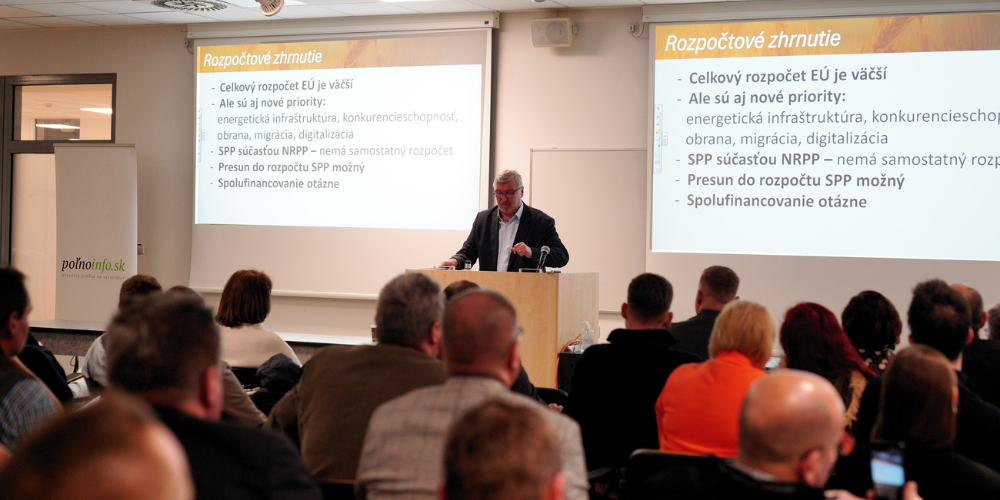
Experts Convene to Shape Slovakia’s Agricultural Future: Workshop on New EU CAP 2028–2034
Over 200 stakeholders gathered at the Slovak University of Agriculture in Nitra on February 5, 2026, for a landmark workshop…