
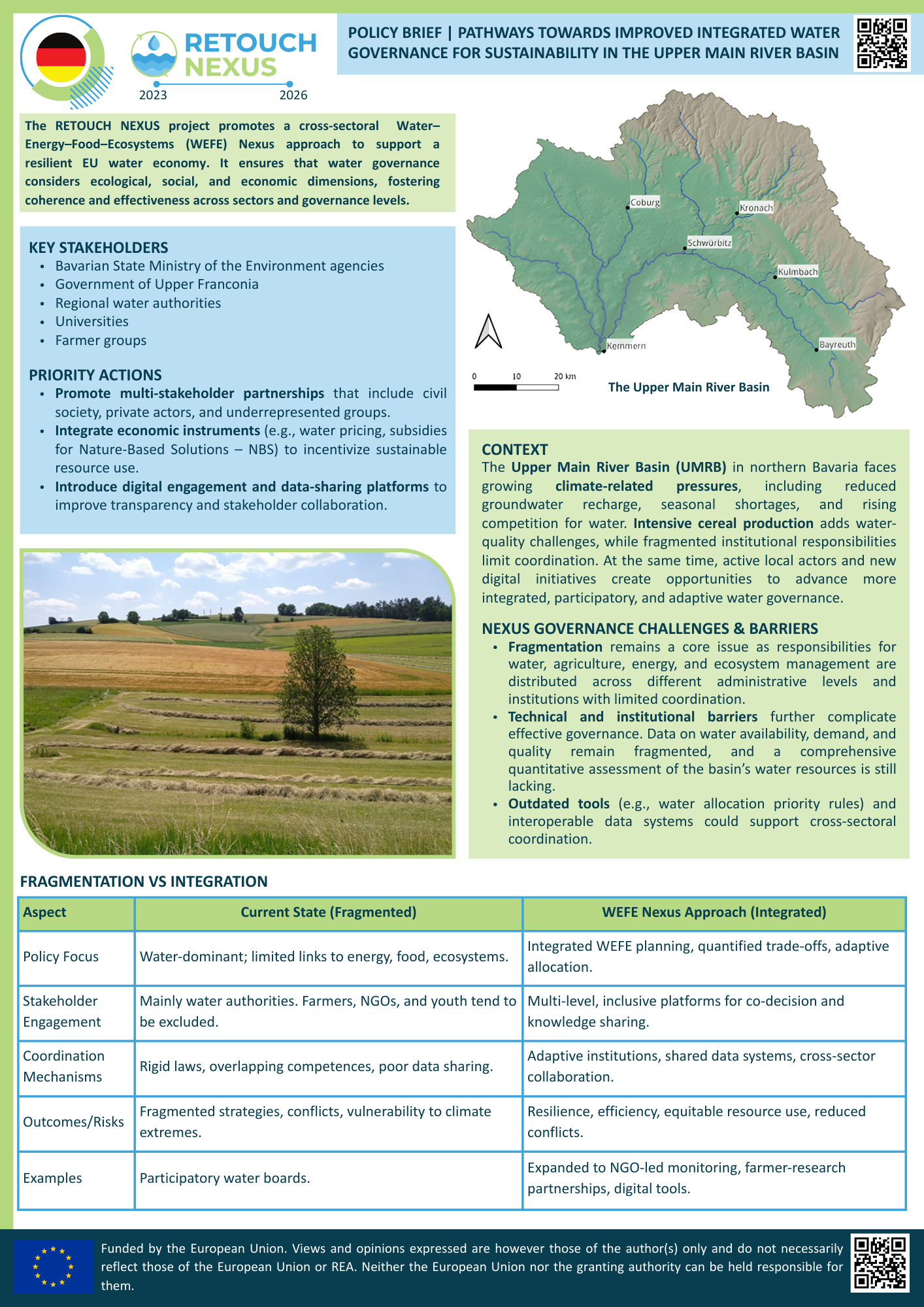
Integrované riadenie vodných zdrojov v povodí hornej časti rieky Main
Povodie hornej časti rieky Main v severnom Bavorsku čelí rastúcim tlakom súvisiacim so zmenou klímy, medzi ktoré patrí znížená obnova podzemných vôd, sezónny nedostatok vody a zintenzívňujúca sa konkurencia o vodné zdroje. Intenzívna produkcia obilnín tieto výzvy ešte zhoršuje problémami s kvalitou vody, zatiaľ čo roztrieštené inštitucionálne zodpovednosti na rôznych administratívnych úrovniach obmedzujú účinnú koordináciu. Tento politický dokument RETOUCH NEXUS odhaľuje, ako môže Bavorsko využiť aktívnych miestnych zainteresovaných subjektov a nové digitálne iniciatívy na premenu roztriešteného, na vodu zameraného riadenia na integrované, participatívne a adaptívne riadenie, ktoré spája vodu s cieľmi v oblasti poľnohospodárstva, energetiky a ekosystémov.
Kľúčové posolstvá
1
Fragmentácia je hlavnou prekážkou: Zodpovednosť za vodu, poľnohospodárstvo, energetiku a riadenie ekosystémov je rozdelená medzi rôzne administratívne úrovne a inštitúcie s obmedzenou koordináciou, čo ešte zhoršujú roztrieštené údaje a zastarané nástroje prideľovania prostriedkov.
2
Partnerstvá viacerých zainteresovaných strán musia byť inkluzívne: Hoci existujúce siete uľahčujú dialóg, naďalej v nich prevládajú hlasy verejného sektora. Posilnenie správy vecí verejných si vyžaduje stabilné platformy, ktoré zabezpečia nepretržitý dialóg medzi vládou, poľnohospodármi, občianskou spoločnosťou, mládežou a súkromnými subjektmi, ktoré majú skutočný vplyv na rozhodovanie.
3
Ekonomické nástroje motivujú k udržateľnosti: Inovatívne nástroje, ako sú diferencované tarify za vodu odrážajúce podmienky nedostatku, dotácie na riešenia založené na prírode a obchodovateľné povolenia na používanie vody, môžu zosúladiť ekonomické stimuly s udržateľným riadením zdrojov a efektívnym prideľovaním.
4
Digitálne platformy zvyšujú transparentnosť a spoluprácu: Spoločné monitorovacie systémy sledujúce dostupnosť, kvalitu a využívanie vody v reálnom čase v kombinácii s online platformami pre účasť a nástrojmi na zdieľanie údajov podporujú adaptívne riadenie založené na dôkazoch a zmysluplné zapojenie zainteresovaných strán.
5
Vzdelávanie buduje dlhodobé kapacity: Podporovanie povedomia o vode medzi mladšími generáciami prostredníctvom školských osnov a komunitných fór o správe vodných zdrojov, udržateľnosti a prispôsobovaní sa zmene klímy posilňuje dlhodobú schopnosť spoločnosti spravovať vodné zdroje udržateľným spôsobom.
New Publication – Bridging the Nexus: Policy and Welfare Dimensions in Hydro-economic Models
How can water policies better account for the complex interconnections between water, energy, food and…
New Policy Brief: Water Pricing
Pricing Scarcity at the River Basin Scale Traditional water allocation rules fail to reflect the…
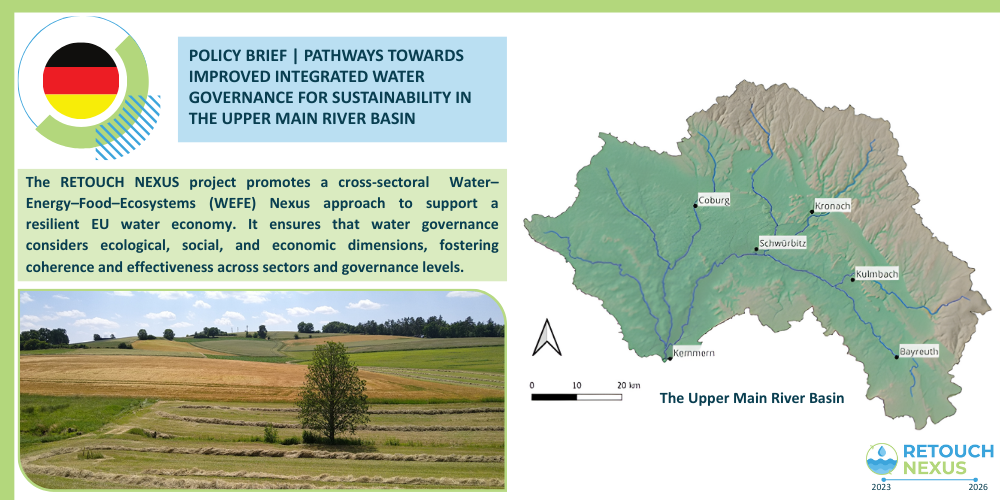
Nový politický dokument: Cesty k zlepšenému integrovanému riadeniu vodných zdrojov v povodí hornej časti rieky Main
Integrated Water Governance in the Upper Main River Basin The Upper Main River Basin in…

🌿 Nature-Based Solutions in Action: Local Engagement for Water Resilience in Kulmbach and Leuchau
On 18–19 June 2025, our German Case Study hosted two workshops in the Upper Main…

Dialogforum Wasserkontroversen IV: Water Retention in the Landscape – Feasibility, Ecological Benefits, and Legal Implications
The "Wasserkontroversen" dialog forum, a key event in the ongoing discussion of water-related issues, took…
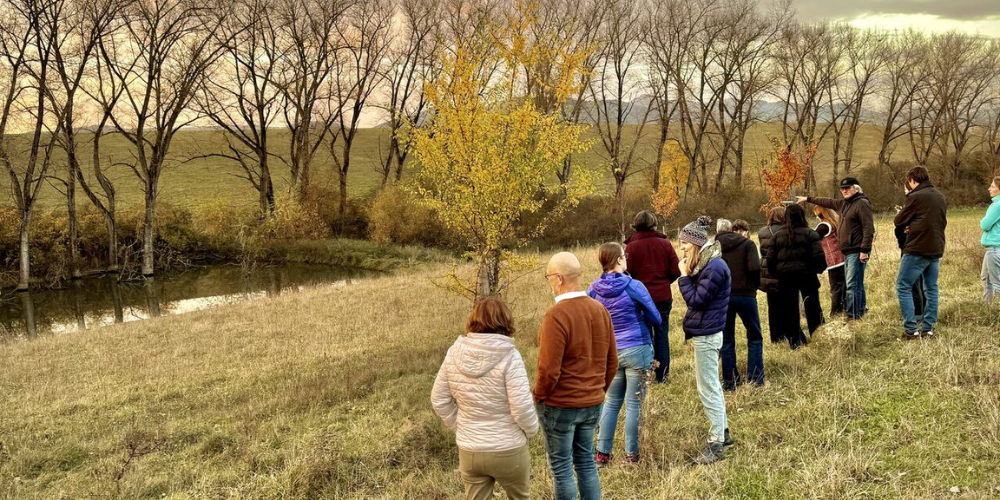
RETOUCH NEXUS at the Slovak Water Tour 2024: Advancing Nature-Based Solutions for Resilient Water Management
From October 28 to 31, 2024, the Slovak Water Tour brought together experts from across…

RETOUCH NEXUS German Case Study at the SWAT Conference: Pioneering WEFE-Based Modeling for Resilient Water Governance in the Upper Main Catchment
From July 8th to 12th, 2024, the RETOUCH NEXUS project proudly participated in the SWAT…
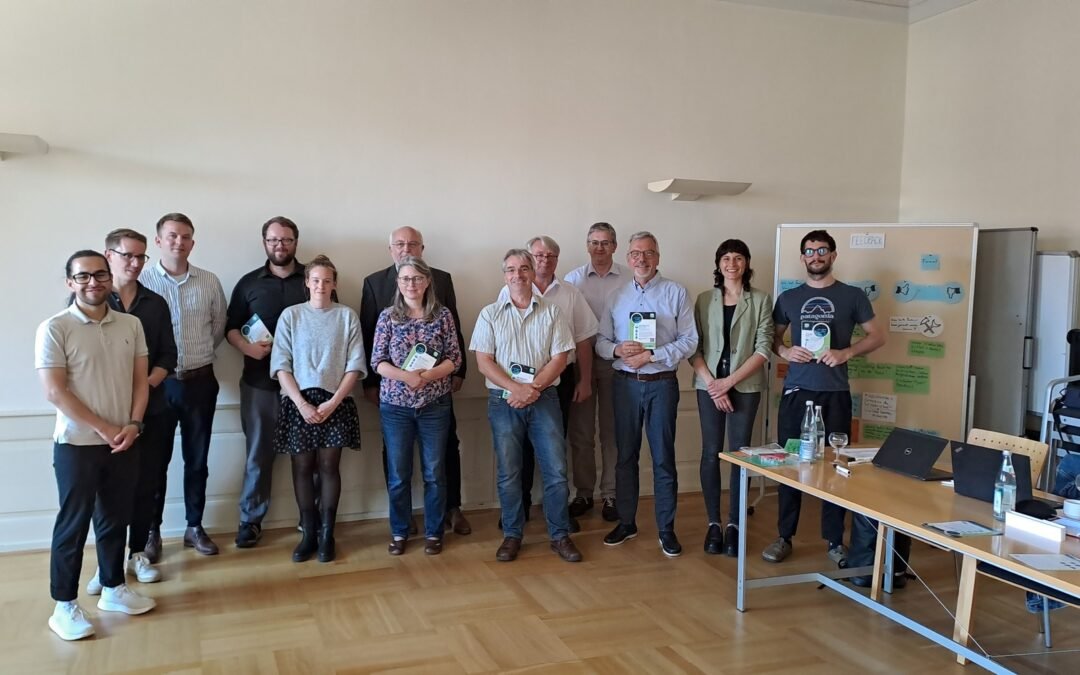
The German case study of the RETOUCH NEXUS project held its First stakeholder engagement in Upper Main!
On 25 June 2024, the German case study of the RETOUCH NEXUS project hosted its…
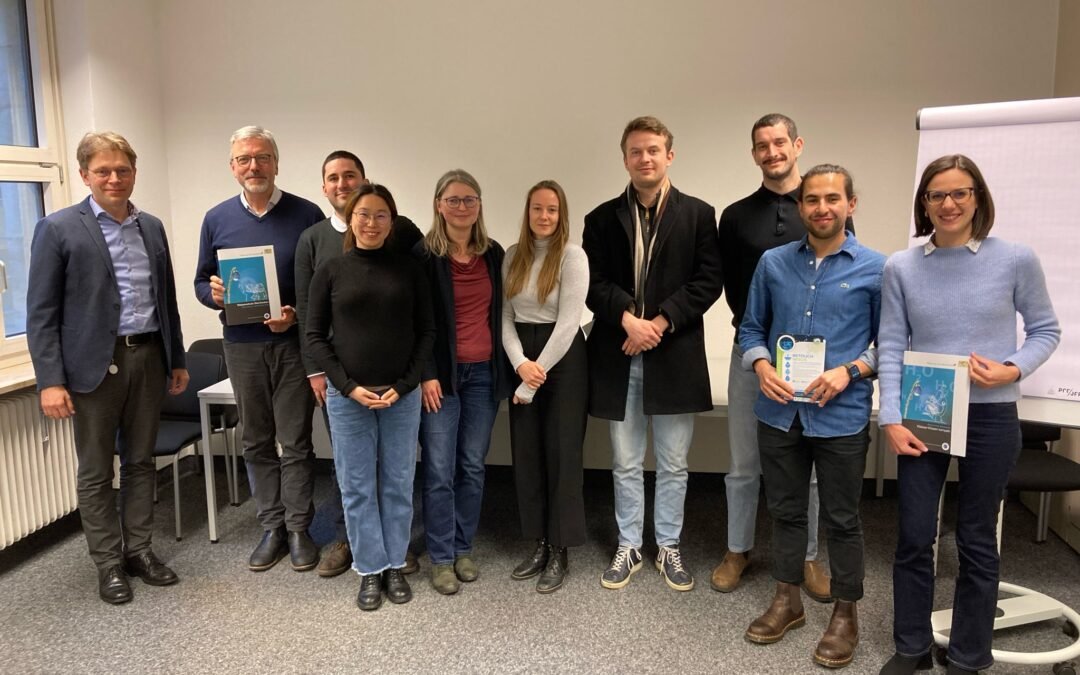
RETOUCH NEXUS project coordinator (TUM) visits German Case Study in Bayreuth
On 22 February 2024, a delegation from TUM visited representatives from the German Upper Main…
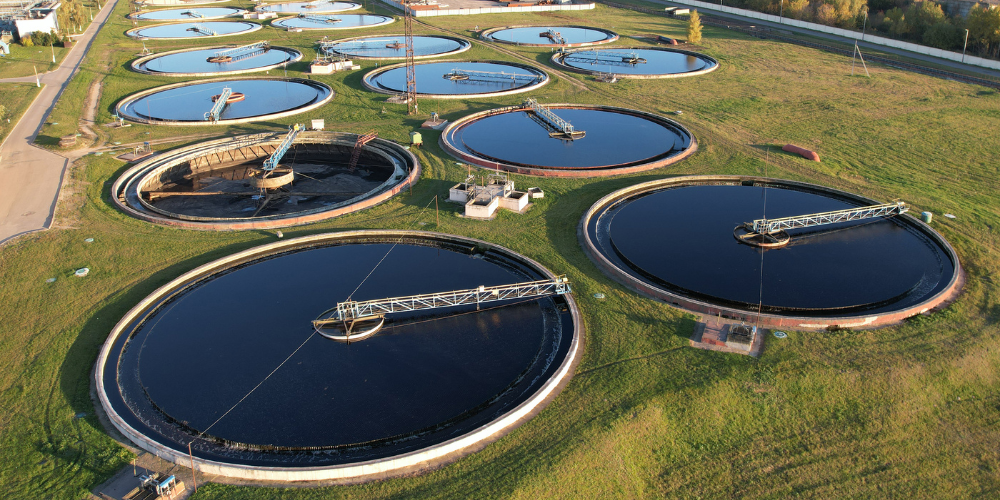
Establishing a baseline to characterise each RETOUCH NEXUS case study
Last September, our project completed two tasks aimed at exploring water governance models, institutional frameworks…