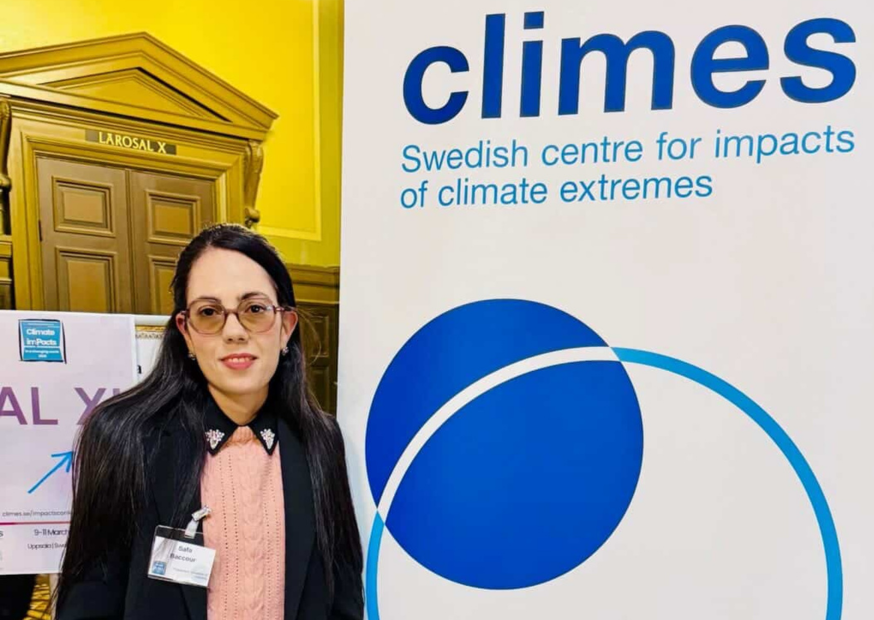
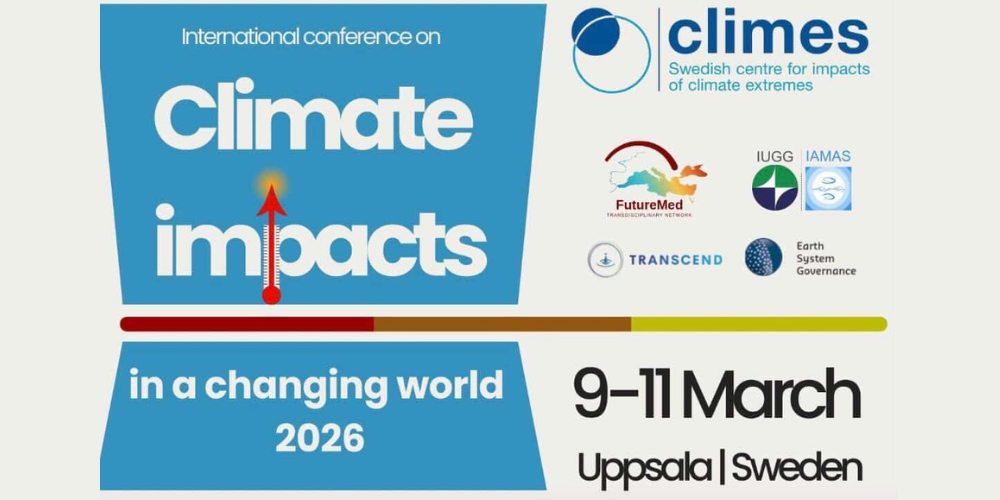
We are proud to highlight the participation of our partner Safa Baccour from the Universitat Politècnica de València (UPV) at the International Conference on Climate Impacts in a Changing World 2026, held on 9-11 March 2026 in Uppsala, Sweden.
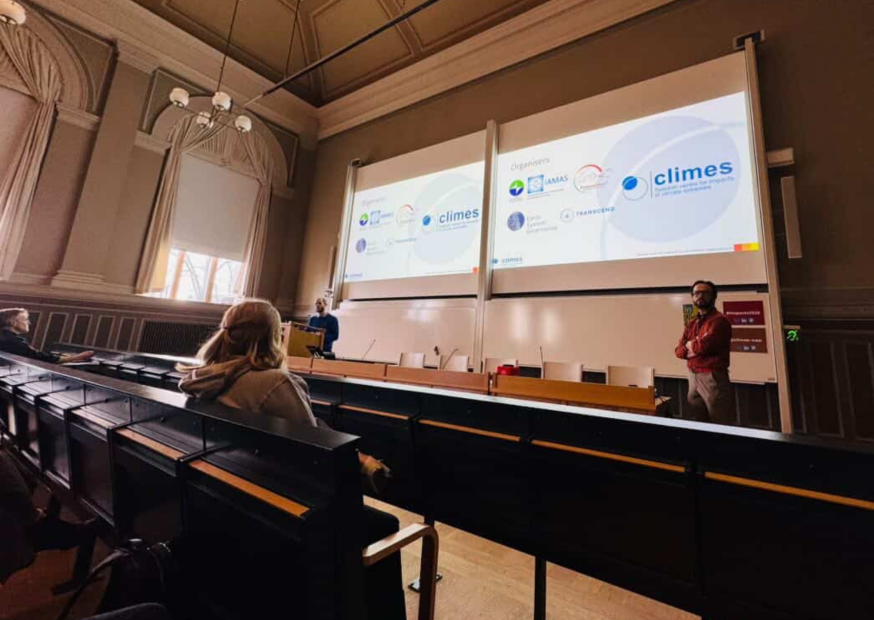
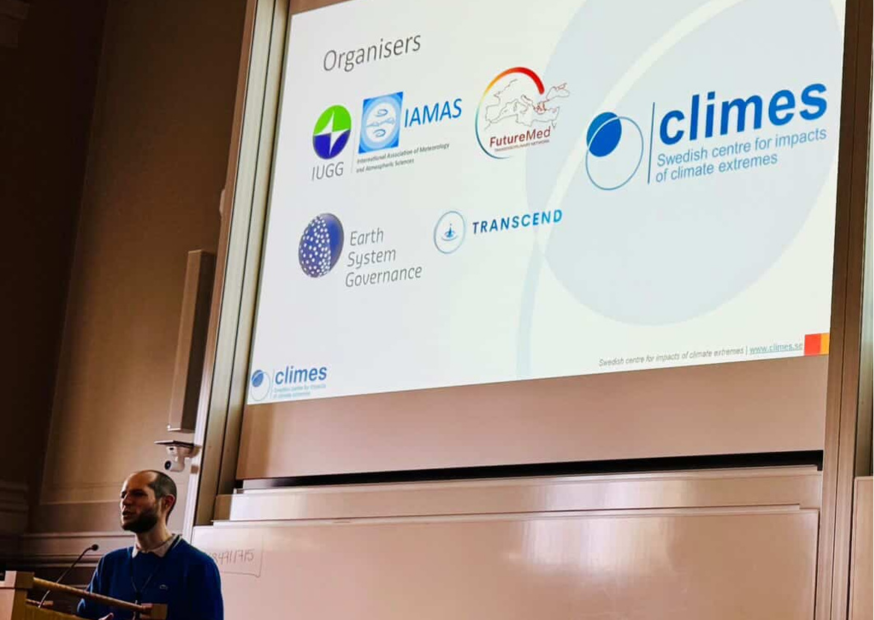
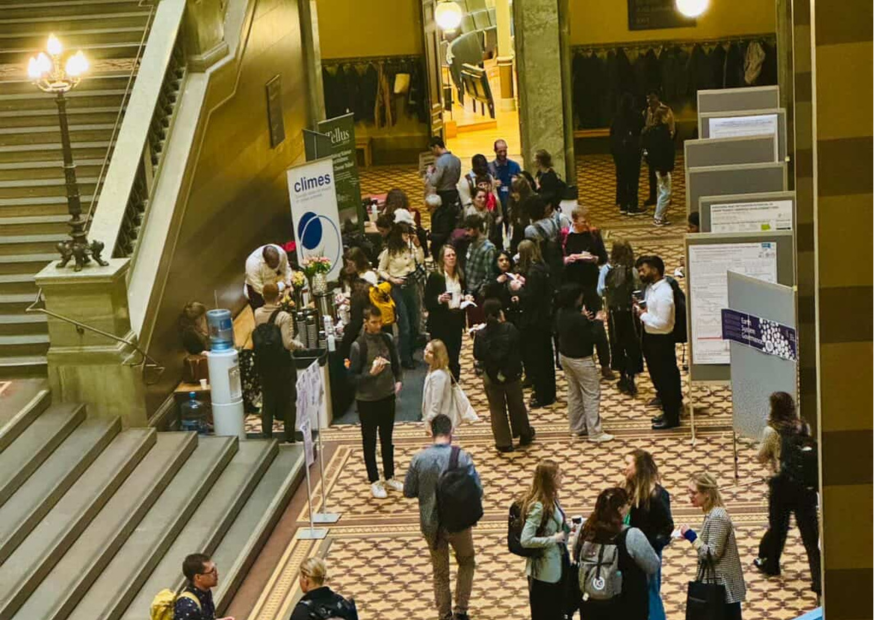
Organised by the Swedish Centre for Impacts of Climate Extremes (CLIMES) and co-organised by FutureMed, the Earth System Governance Project, and TRANSCEND, the conference brought together leading researchers, policymakers, and practitioners to explore the far-reaching consequences of climate extremes across health, food and energy systems, governance, and natural ecosystems. Over three days, more than 100 oral and poster presentations fostered the kind of interdisciplinary exchange that is essential to building a just and climate-resilient future.
A Question at the Heart of Water Governance
Safa’s presentation, titled “Is Volumetric Water Pricing Key to Safeguarding Wetland Ecosystems under Climate Stress?“, tackled one of the most pressing challenges at the intersection of climate change, water management, and ecological preservation, particularly in Mediterranean regions already facing increasing drought frequency, political tensions over water allocation, and mounting environmental pressures.
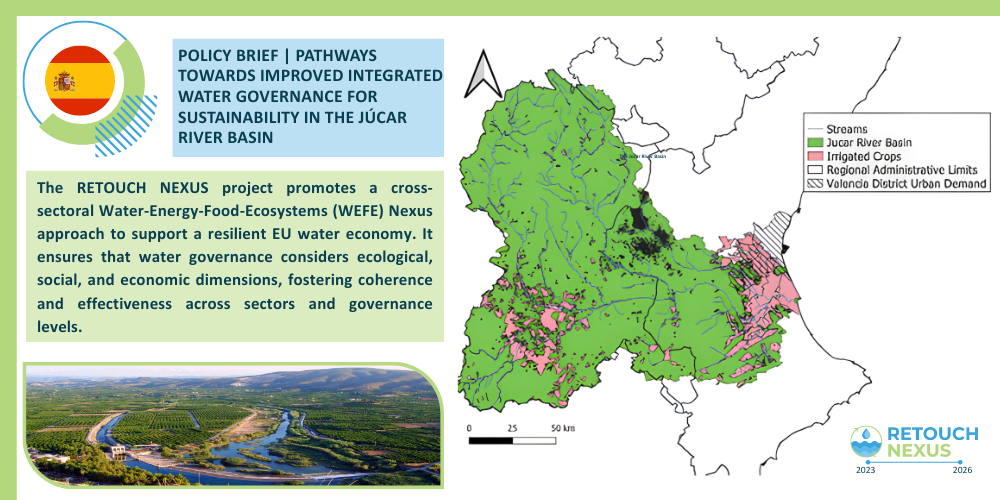
Her research focuses on the Júcar River Basin in Spain, using the iconic Albufera wetland, a biodiversity-rich ecosystem and fish habitat of international importance, as a case study. The core question is both practical and urgent: can pricing water by volume be an effective tool to reduce unsustainable agricultural withdrawals and protect wetland health, even under deeply uncertain future climate and socioeconomic conditions?
A Rigorous Modelling Approach
To answer this, Safa and her team developed a hydro-economic model capable of simulating water allocation, reservoir operations, and agricultural production across a wide range of scenarios. These scenarios were generated by combining outputs from five global climate models with three Shared Socioeconomic Pathways (SSPs), producing a comprehensive picture of how the Júcar Basin might evolve under different futures.
The analysis evaluated volumetric pricing strategies, where farmers pay in direct proportion to the volume of water they consume, and assessed their downstream effects using Habitat Provisioning Units (HPU%), a metric that quantifies the extent to which wetland ecosystems receive the flows they need to function and thrive.
Key Findings: Promising, but Not Without Trade-offs
The results are encouraging for advocates of market-based environmental policy. Volumetric pricing was shown to significantly reduce unsustainable water withdrawals during dry periods, thereby easing the ecological deficit in the Albufera wetland and strengthening the resilience of the broader socio-ecological system.
However, the research also highlights important trade-offs. Under high-demand SSP scenarios, stricter pricing schemes can impose higher short-term costs on agriculture, raising legitimate equity and economic concerns. This underscores the need for carefully calibrated, adaptive policies, not blunt instruments, that balance ecological protection with agricultural livelihoods.
Relevance Beyond the Júcar Basin
While rooted in a specific Spanish context, the findings carry implications far beyond it. The study offers actionable insights for the implementation of the EU Water Framework Directive and directly advances Sustainable Development Goals 6 (Clean Water and Sanitation) and 15 (Life on Land) in water-stressed regions across the Mediterranean and beyond.
Safa’s presentation is a timely reminder that the tools for protecting nature under climate stress already exist, the challenge lies in designing and deploying them with the right combination of scientific rigour, economic realism, and political courage.