
🛠️ 💧 ⚡ 🌾
Súbor nástrojov na zapojenie zainteresovaných strán
Practical tools for WEFE Nexus governance
Transform how you engage stakeholders in Water-Energy-Food-Ecosystems governance
Building inclusive WEFE governance together
Effective stakeholder engagement is the foundation of successful Water-Energy-Food-Ecosystems (WEFE) nexus governance. But bringing together diverse voices, from farmers to policymakers, from energy providers to community groups, requires practical, proven methods.
The RETOUCH NEXUS project has compiled a comprehensive toolkit of stakeholder engagement tools designed specifically for facilitating inclusive dialogue around water, energy, food, and ecosystem challenges across Europe and beyond.
These tools are not necessarily being developed and applied by the case studies within the RETOUCH Project. They are rather ideas and general methodologies for stakeholder engagement that can be applied in different contexts. These tools are addressed in the Annex of our document “Guidelines on Stakeholder Engagement” and represent only part of the strategies/materials we present in Deliverable D2.4.
Evidence-based
Each tool has been tested and refined through real WEFE governance initiatives across Europe, ensuring practical effectiveness.
Inclusive by design
Tools specifically address power dynamics and ensure marginalized voices are heard in water, energy, and food decisions.
Flexible & adaptable
Whether you’re working with 5 or 100 stakeholders, these tools can be adapted to your specific context and needs.
The Tools
From understanding stakeholder landscapes to making collective decisions, these tools cover every phase of meaningful engagement.
For small groups (up to 25 people)
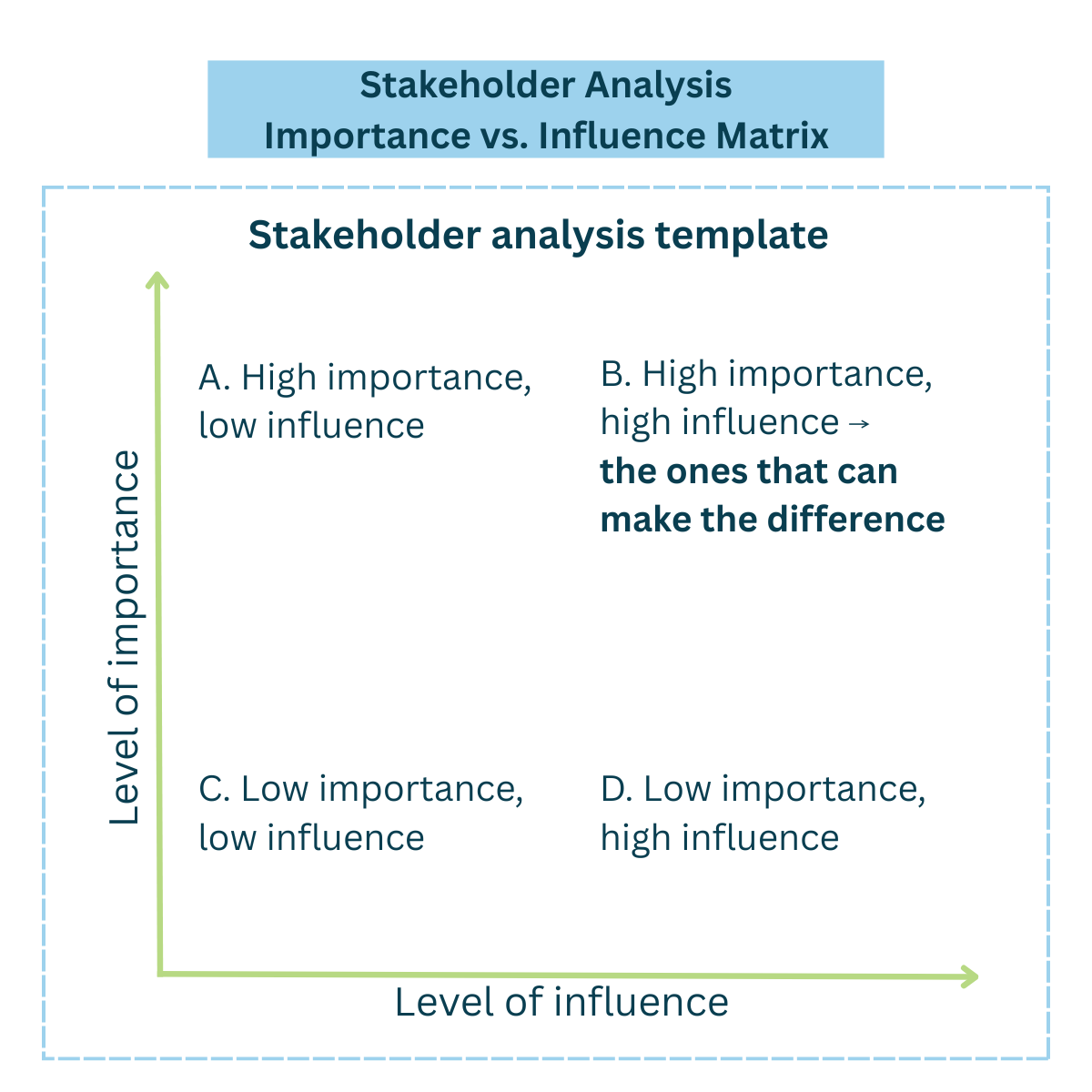
Map importance vs. influence to design targeted engagement strategies.
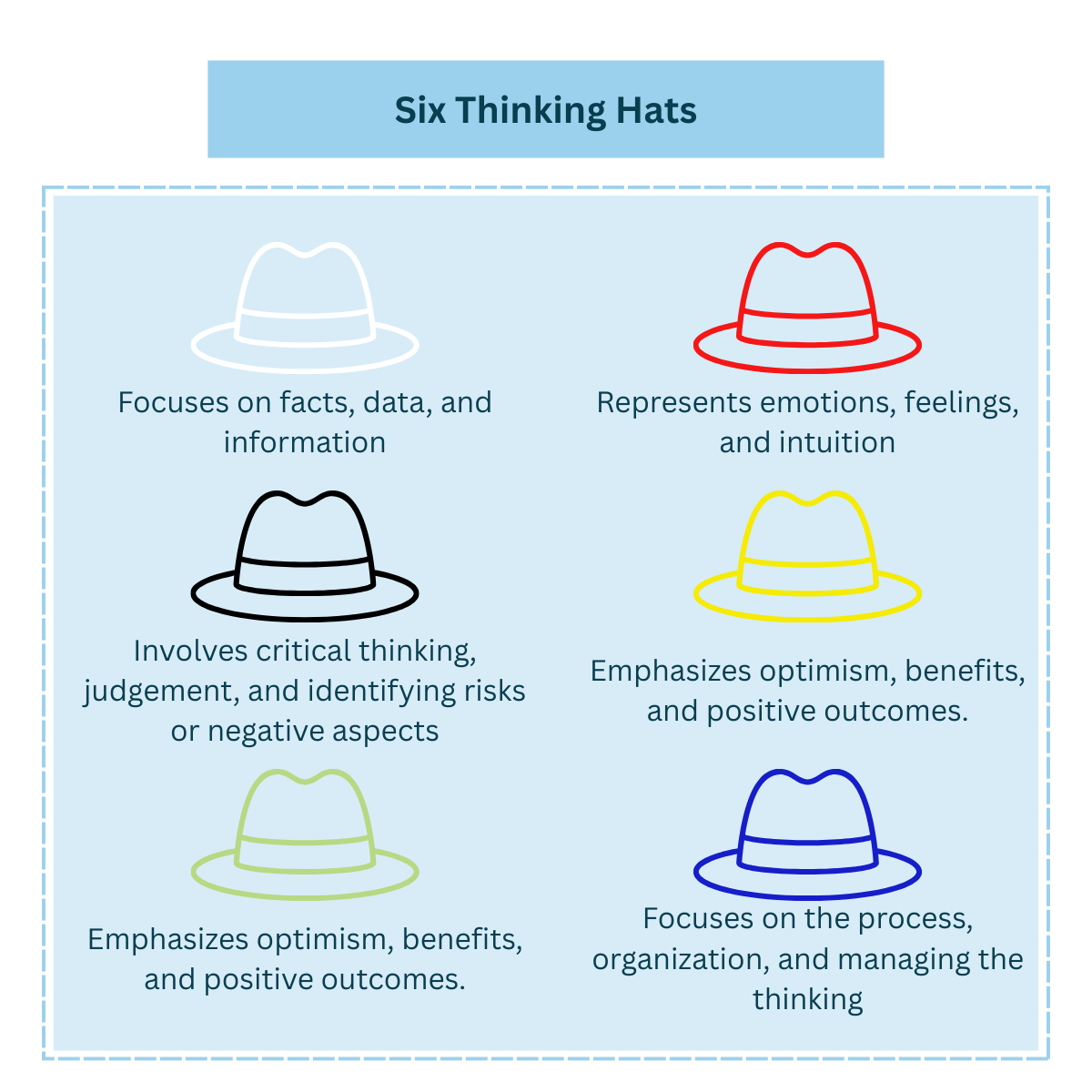
Explore issues systematically from factual, emotional, critical, optimistic, creative, and process perspectives.
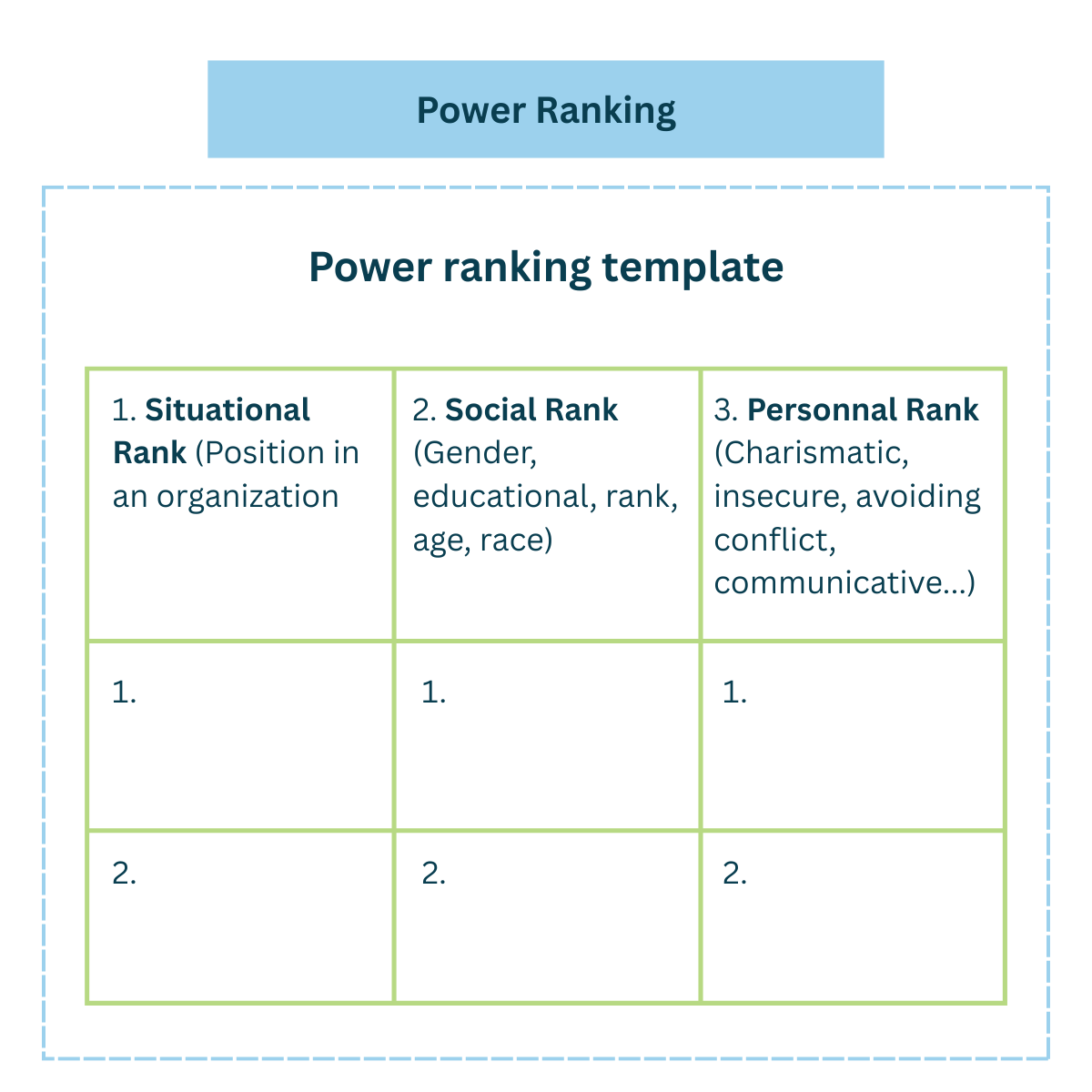
Make invisible power dynamics visible through experiential positioning.
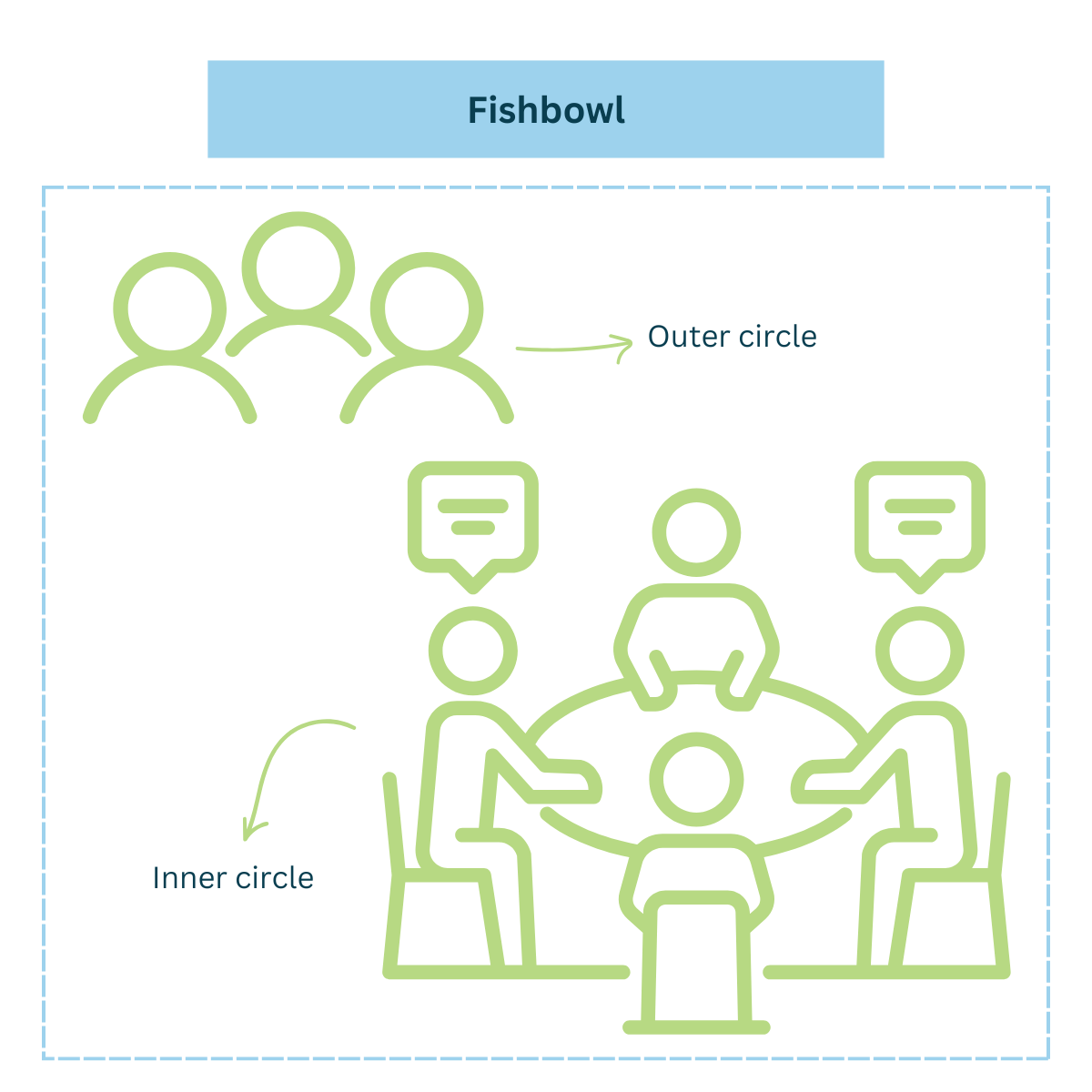
Balance focused discussion with inclusive observation through rotating circles.
Build consensus around which actions to pursue with limited resources.
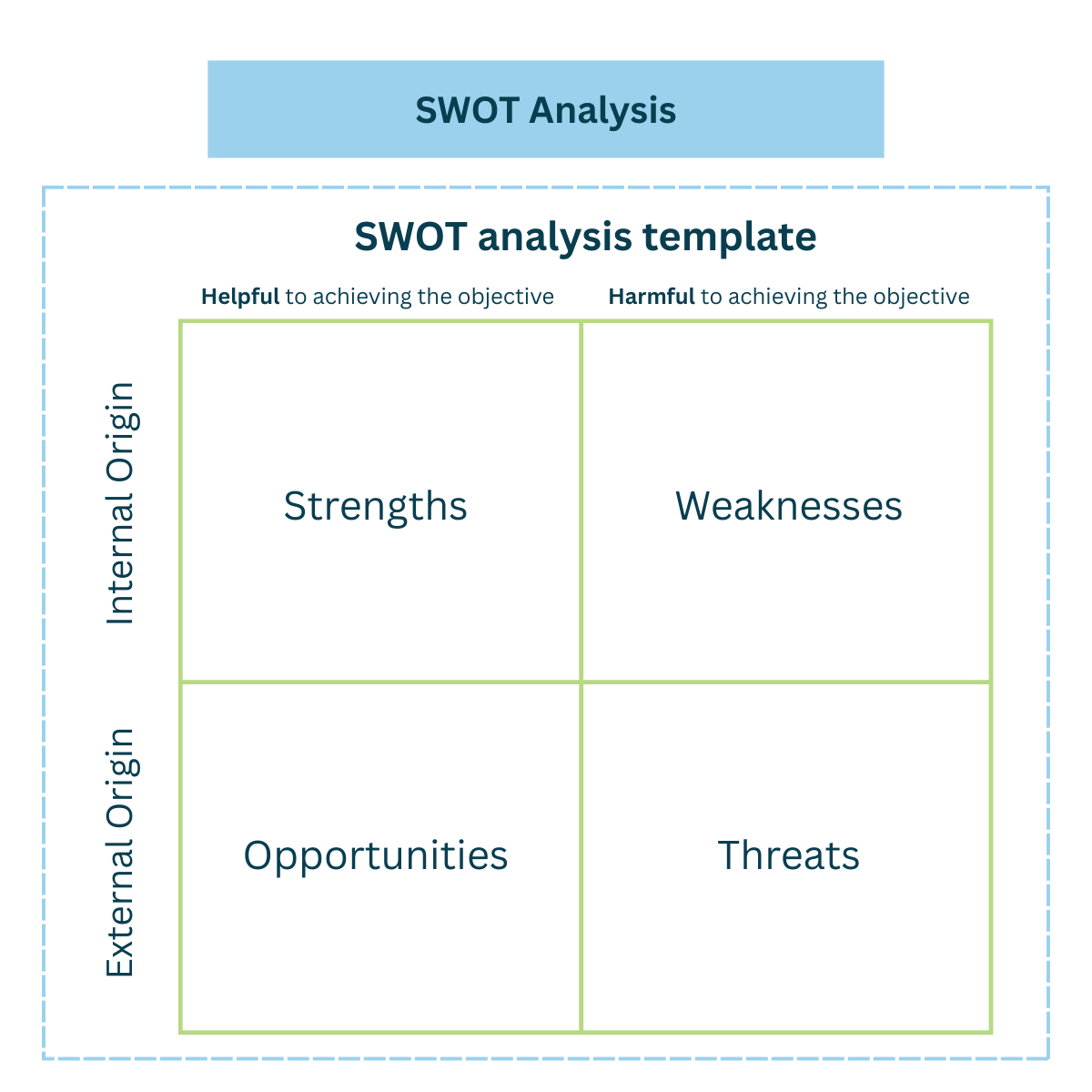
Identify strengths, weaknesses, opportunities, and threats across stakeholder groups.
Build empathy by experiencing challenges through different stakeholder lenses.
Simulate real WEFE tensions and practice negotiation in safe environments.
Make abstract governance ideas tangible through quick, testable models.
For big groups (25-100 people)
Foster cross-sectoral connections through structured brief conversations.
Enable self-organization around topics stakeholders are passionate about.
Create shared aspirational futures that align diverse stakeholders.
Democratize input and make decisions through various voting methods.
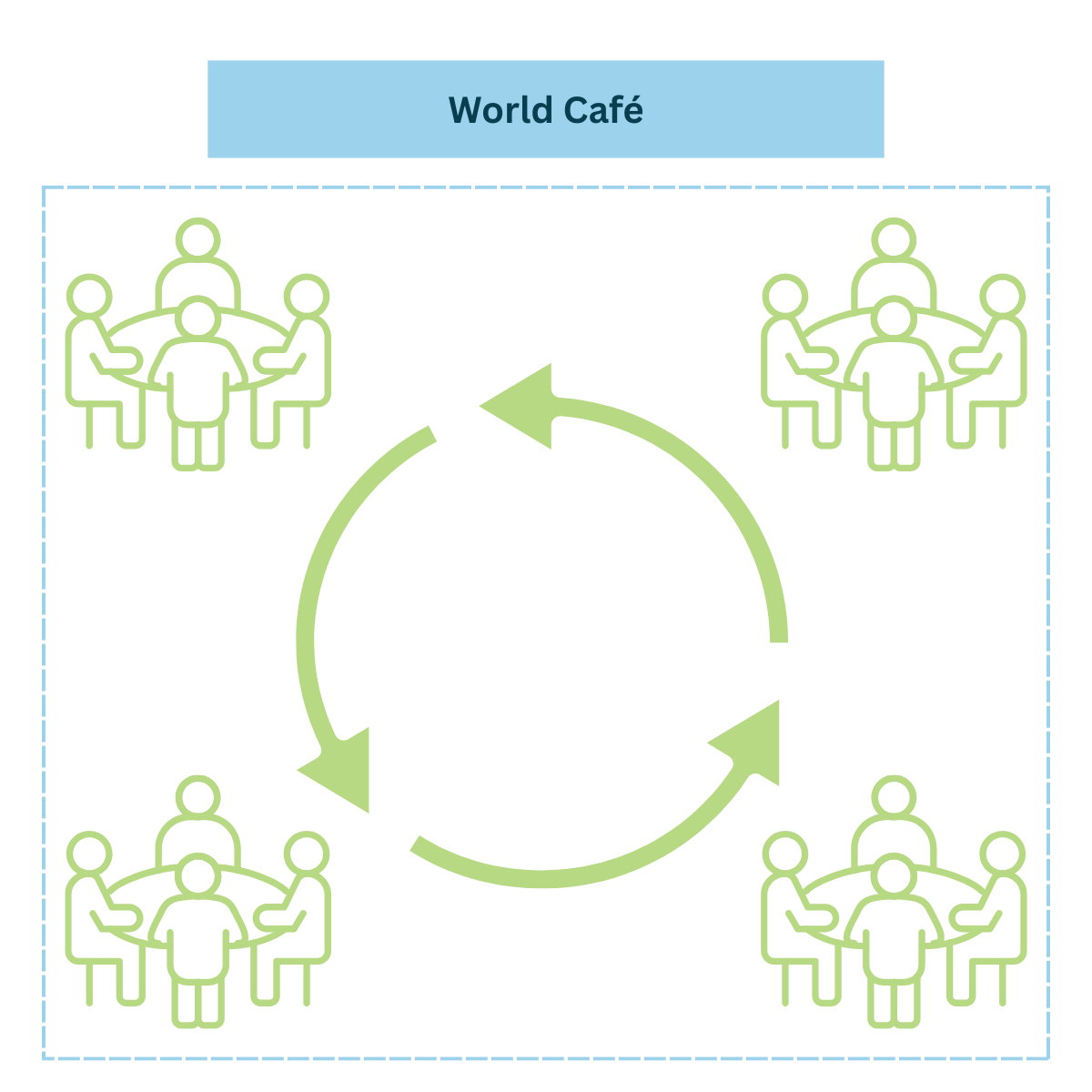
Generate collective intelligence through small rotating group discussions.
Align groups across purpose, values, relationships, resources, actions, and learning.
Reveal hidden system dynamics through spatial positioning of elements.
Planning & Evaluation Templates
Support case studies in planning their stakeholder engagement activities.
To evaluate the implemented stakeholder engagement activities.
Apply these tools across WEFE contexts
💧 Water Management
Drought response planning, water allocation decisions, integrated watershed management
🌱 Ecosystem Protection
Environmental flow management, ecosystem restoration, biodiversity conservation
⚡ Energy Transitions
Renewable energy planning, hydropower management, energy-water nexus coordination
🏛️ Policy Development
Multi-level governance, policy coherence, stakeholder consultation processes
🌾 Food Security
Agricultural water use, irrigation efficiency, climate adaptation strategies
🤝 Conflict Resolution
Resource allocation disputes, competing sectoral interests, building consensus
Ready to Transform Your Stakeholder Engagement?
Download the complete toolkit with detailed guidance, templates, and step-by-step instructions for all tools.